Loading market data...
Tue, 20 Oct 2026
03:43:58 pm
Tue, 20 Oct 2026
03:43:58 pm

Rudransh Sangwan
Published at: October 15, 2026, 5:33 PM
Synopsis
India-US trade deal could affect textiles, pharmaceuticals, chemicals, engineering goods and gems and jewellery. Here are 5 sectors to watch.
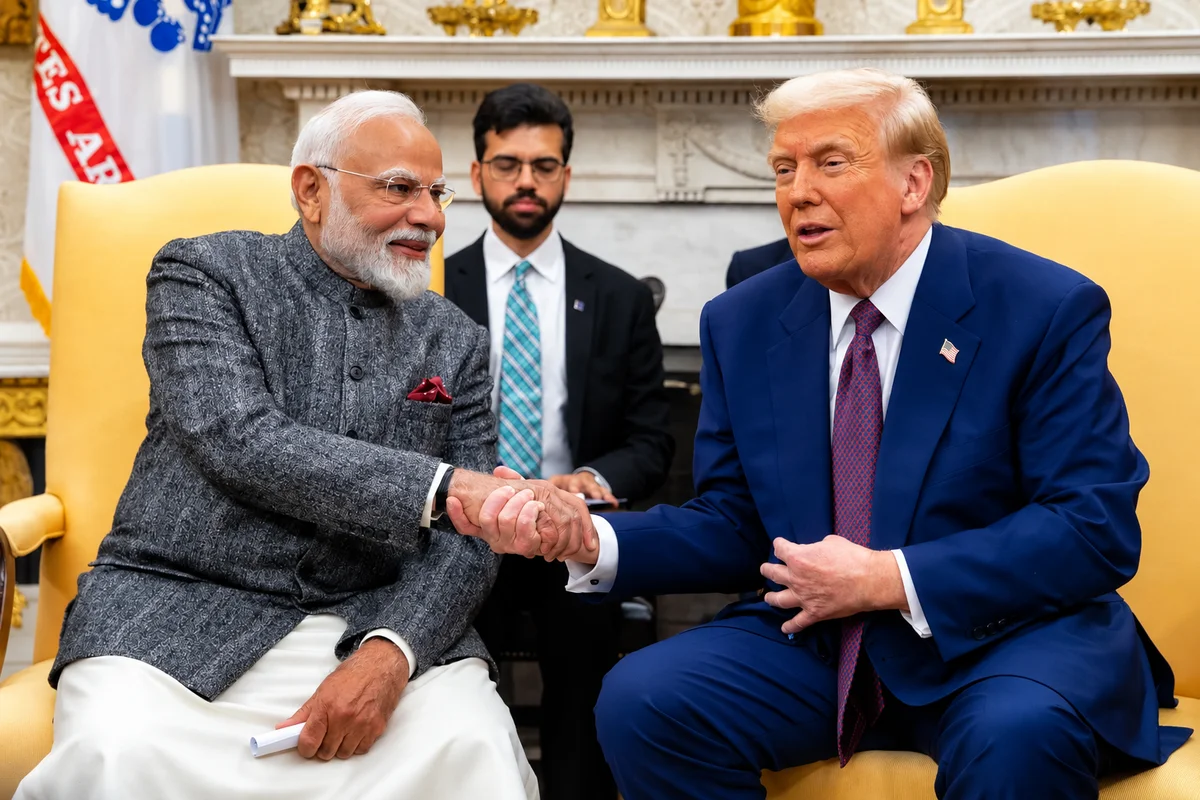
India's proposed trade deal with the US could affect textiles, pharmaceuticals, chemicals, engineering goods, and gems and jewellery. The first phase is undergoing legal drafting. The final terms will determine which businesses benefit from better access to the US market.
Commerce Minister Piyush Goyal said on October 15 that implementation would depend on India gaining a competitive advantage over other countries.
Indian textile exporters could benefit from more predictable tariffs and better access to US buyers. This could help them compete with Bangladesh and Vietnam on pricing and secure export orders.
| What to watch | Why it matters |
|---|---|
| Export orders | Shows demand from US buyers |
| Operating margins | Tracks the effect of tariffs and costs |
| Competitor tariffs | Affects India's pricing advantage |
The US is an important market for Indian generic drugmakers. Clearer trade rules could support export planning, but the impact will depend on the final tariffs and regulatory requirements.
| What to watch | Why it matters |
|---|---|
| US sales growth | Tracks demand |
| Product approvals | Affects market access |
| Pricing trends | Influences revenue and margins |
| Final tariff rules | Determines the trade impact |
Chemical exporters could benefit from better US market access for eligible products. Specialty chemical makers may also gain if US buyers diversify their suppliers. The impact will depend on product costs, compliance rules and competition.
| What to watch | Why it matters |
|---|---|
| Export revenue | Measures overseas demand |
| Capacity utilisation | Tracks production levels |
| Input costs | Affects margins |
| Covered products | Determines tariff eligibility |
Engineering goods and auto component exporters could benefit if the deal offers better access to US buyers. The gains will depend on product eligibility, customer demand and rules of origin.
| What to watch | Why it matters |
|---|---|
| New export contracts | Signals business growth |
| Order books | Indicates future demand |
| US customer exposure | Measures dependence on the US market |
| Product tariffs | Determines the benefit for each product |
Gems and jewellery exporters could benefit from lower tariffs on eligible products. However, global demand, precious metal prices and financing costs will continue to affect the sector.
| What to watch | Why it matters |
|---|---|
| US shipments | Tracks export demand |
| Export margins | Shows the effect of trade costs |
| Precious metal prices | Affects costs and working capital |
| Final tariff schedule | Confirms which exports qualify |
Lower import barriers on eligible US goods could increase competition for some Indian manufacturers. The February 2026 joint statement outlined proposed Indian tariff reductions on certain US industrial and agricultural products.
The impact will depend on the final product list and implementation schedule. Businesses using imported inputs could see lower costs, while some domestic producers may face stronger competition.
The official US India joint statement outlines the proposed terms. The final agreement will confirm which products qualify and when changes take effect.
Investors should track the final tariff schedule, export growth and company margins. The impact will vary across textiles, pharmaceuticals, chemicals, engineering goods, and gems and jewellery based on each company's products and US market exposure.
Textiles and apparel, pharmaceuticals, chemicals, engineering goods and gems and jewellery could benefit, depending on the final tariff terms and product eligibility.
Companies with significant US exports could benefit from improved market access or lower trade costs. The impact will vary by company, product and final tariff rules.
Textile exporters could become more competitive if the agreement improves their tariff position against rival exporters. The final terms will determine the actual benefit.
The agreement could influence generic drug exports and market access. Regulatory requirements, product eligibility and pricing trends will remain important.
Some chemical exporters could benefit if their products receive improved access to the US market. Input costs, compliance rules and competition will also matter.
Engineering goods and auto component exporters with eligible products and US customers could benefit from better market access, depending on the agreement's terms.
Exports could benefit if eligible products receive lower tariffs, but global demand, precious metal prices and financing costs will also affect performance.
As of October 15, 2026, the first phase has been finalised and is undergoing legal drafting. Implementation will depend on the final terms and conditions.
Investors should track the final tariff schedule, eligible products, export orders, company margins, US sales and rules of origin.
The White House published the United States-India Joint Statement on February 6, 2026.
Financial journalist specializing in market analysis, stock research, and investment trends. Dedicated to providing accurate, timely insights for informed decision-making.
Credentials: Experienced financial journalist with expertise in equity markets and economic analysis
The information provided in this article is for educational and informational purposes only and should not be construed as financial, investment, or legal advice. welomoney does not provide personalized investment recommendations.
For detailed terms and conditions, please read our Disclaimer and Terms of Service.
China GDP growth reached 4.5% in Q3 2026, beating the 4.4% forecast. Retail sales improved, but falling property investment keeps recovery risks in...
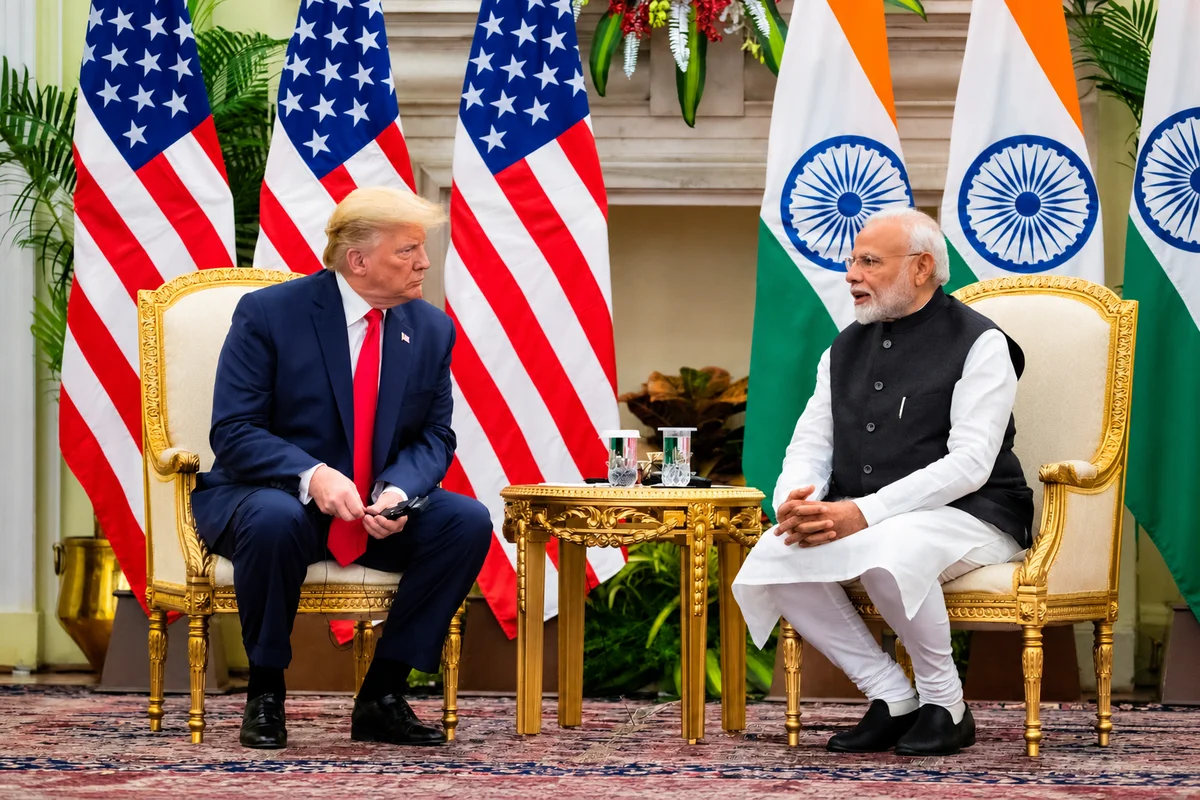
India-US trade deal could create opportunities for Indian home décor and handicraft exporters. Here's what it means for exports, businesses and stocks
Fed rate hike odds for October 28 jumped to 53.7% from 22.1% in a day. September inflation has complicated the outlook for December rate decisions.

Zoho has cut marketing spending as Sridhar Vembu cites fourfold server price increases, 18 months without employee growth and plans to avoid mass...