Loading market data...
Wed, 30 Sept 2026
04:39:22 pm
Wed, 30 Sept 2026
04:39:22 pm

Rudransh Sangwan
Published at: July 2, 2026, 8:46 AM
Synopsis
India and Japan signed key MoUs on economy, energy, AI and semiconductors during the 2026 India-Japan Summit. PM Modi also announced a target of 10 trillion yen in Japanese investment and plans to double Japanese businesses in India.
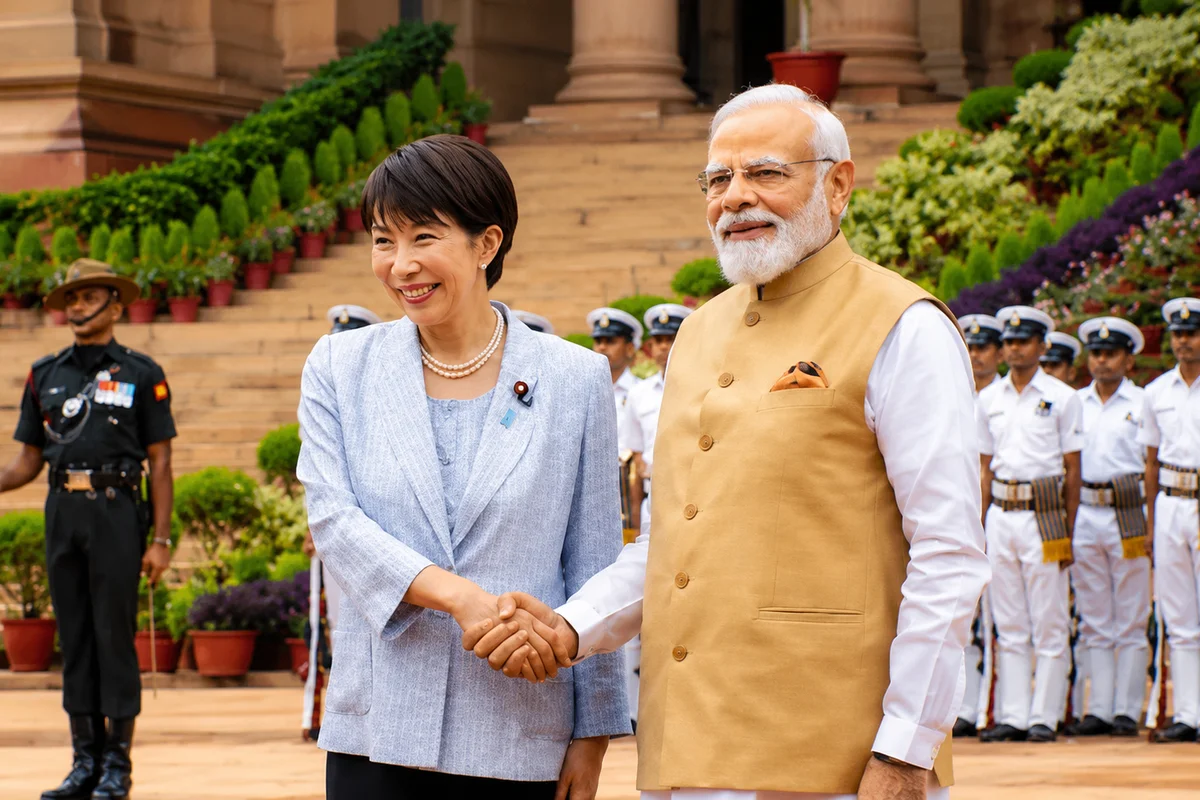
India and Japan have strengthened their Special Strategic and Global Partnership by signing multiple agreements across economic cooperation, clean energy, semiconductors, artificial intelligence (AI), advanced technology and supply chain resilience during the India-Japan Annual Summit held in New Delhi on 2 July 2026.
Japanese Prime Minister Sanae Takaichi, on her first official visit to India after assuming office, held bilateral talks with Prime Minister Narendra Modi at Hyderabad House. The two leaders reaffirmed their commitment to expanding cooperation across critical technologies, trade, defence, energy security and investment, while outlining a roadmap for deeper strategic engagement in the Indo-Pacific region.
The summit comes at a time when both countries are looking to diversify global supply chains, strengthen semiconductor manufacturing capabilities and accelerate clean energy partnerships. Prime Minister Modi also announced plans to double the number of Japanese companies operating in India while targeting 10 trillion yen in Japanese investment over the coming years.
| Particulars | Details |
|---|---|
| Event | India-Japan Annual Summit 2026 |
| Date | 2 July 2026 |
| Venue | Hyderabad House, New Delhi |
| Leaders | PM Narendra Modi & PM Sanae Takaichi |
| Major Outcome | Multiple MoUs signed across strategic sectors |
| Focus Areas | Economy, Energy, AI, Semiconductors, Supply Chains |
India and Japan exchanged several Memorandums of Understanding (MoUs) aimed at expanding bilateral cooperation across high-growth sectors.
| Sector | Key Focus |
|---|---|
| Economic Cooperation | Investment and trade expansion |
| Energy | Energy security and clean energy collaboration |
| Semiconductors | Supply chain resilience and chip ecosystem |
| Artificial Intelligence | AI research and technology collaboration |
| Advanced Technologies | Quantum technologies and emerging innovation |
| Supply Chains | Diversification and resilient manufacturing |
The agreements are expected to deepen industrial collaboration while supporting long-term economic growth in both countries.
Prime Minister Narendra Modi announced that India aims to attract 10 trillion yen in Japanese investment while also working to double the number of Japanese businesses operating in India.
Greater investment is expected across manufacturing, electronics, infrastructure, mobility, renewable energy and digital technologies.
Semiconductors emerged as one of the key priorities during the summit.
Both countries agreed to strengthen cooperation in:
The partnership aligns with India's ongoing efforts to build a domestic semiconductor ecosystem while reducing dependence on global supply chain disruptions.
Energy cooperation was another major pillar of the summit.
The two leaders emphasized strengthening collaboration in:
Japanese Prime Minister Sanae Takaichi highlighted the shared responsibility of India and Japan in ensuring regional energy security across Asia.
Addressing the joint press conference, Prime Minister Narendra Modi described India-Japan relations as a "partnership for the future built on trust."
He noted that Japan has played a significant role in India's economic development over the past several decades through investments in automobiles, electronics, infrastructure and manufacturing.
The Prime Minister said the latest summit marks the beginning of a new phase in the Special Strategic and Global Partnership.
The India-Japan summit comes at a time of increasing geopolitical uncertainty and shifting global supply chains.
The agreements are expected to:
The expanded partnership also reinforces cooperation in critical sectors that are becoming increasingly important for global economic competitiveness.
| Highlights | Details |
|---|---|
| Leaders | PM Narendra Modi and PM Sanae Takaichi |
| Major Agreements | Economy, Energy, AI, Semiconductors |
| Investment Target | 10 trillion yen from Japan |
| Business Goal | Double Japanese companies in India |
| Technology Focus | AI, Quantum, Semiconductor Supply Chains |
| Strategic Theme | Trusted long-term partnership |
India and Japan signed multiple MoUs covering economic cooperation, energy, artificial intelligence, semiconductors and advanced technologies.
Prime Minister Narendra Modi said India aims to attract 10 trillion yen in Japanese investment while doubling the number of Japanese companies operating in the country.
Semiconductors, AI, clean energy, advanced technologies, supply chain resilience and economic cooperation were the major focus areas.
Both countries are seeking to strengthen semiconductor supply chains, expand chip manufacturing capabilities and reduce dependence on global supply disruptions.
The partnership supports long-term cooperation in technology, manufacturing, investment, energy security and strategic economic growth while strengthening stability in the Indo-Pacific region.
Financial journalist specializing in market analysis, stock research, and investment trends. Dedicated to providing accurate, timely insights for informed decision-making.
Credentials: Experienced financial journalist with expertise in equity markets and economic analysis
The information provided in this article is for educational and informational purposes only and should not be construed as financial, investment, or legal advice. welomoney does not provide personalized investment recommendations.
For detailed terms and conditions, please read our Disclaimer and Terms of Service.

Trump’s Canadian alcohol ban is in force, but bulk whisky and liqueurs are exempt. Learn why repackaging matters and what Section 338 means for trade.
Trump-Xi talks could shape US stocks as the tariff truce nears its November 10 deadline. See key market risks, sectors and outcomes for investors.
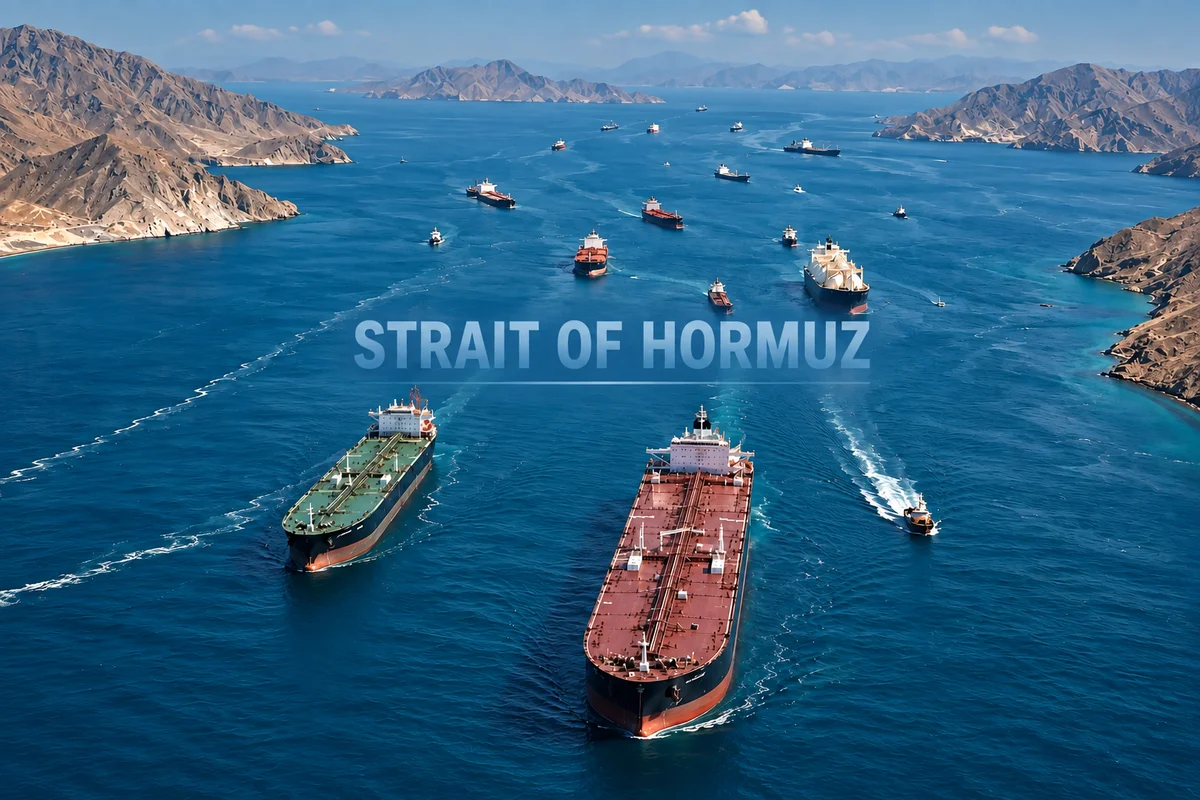
Iran’s Strait of Hormuz decision is deepening tensions with the US. Discover Tehran’s conditions for reopening the waterway and the risks to global...
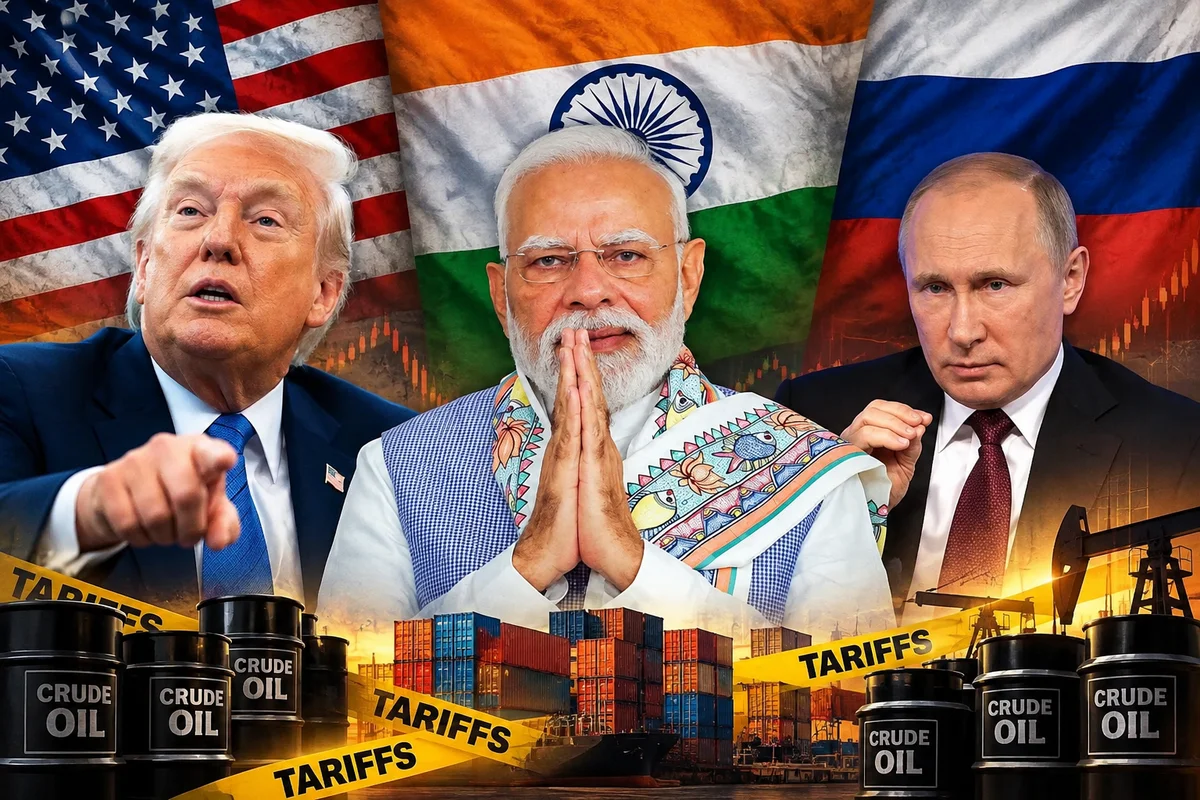
US lawmakers advance a Russia sanctions bill that could expose India to higher tariffs over Russian oil purchases.