Loading market data...
Sun, 19 Jul 2026
07:25:58 am
Sun, 19 Jul 2026
07:25:58 am

Rudransh Sangwan
Published at: March 26, 2026, 8:15 AM
Synopsis
Ray Dalio warns the Strait of Hormuz could test US power like the Suez Crisis did for Britain. Here’s what history reveals and what’s at stake globally.
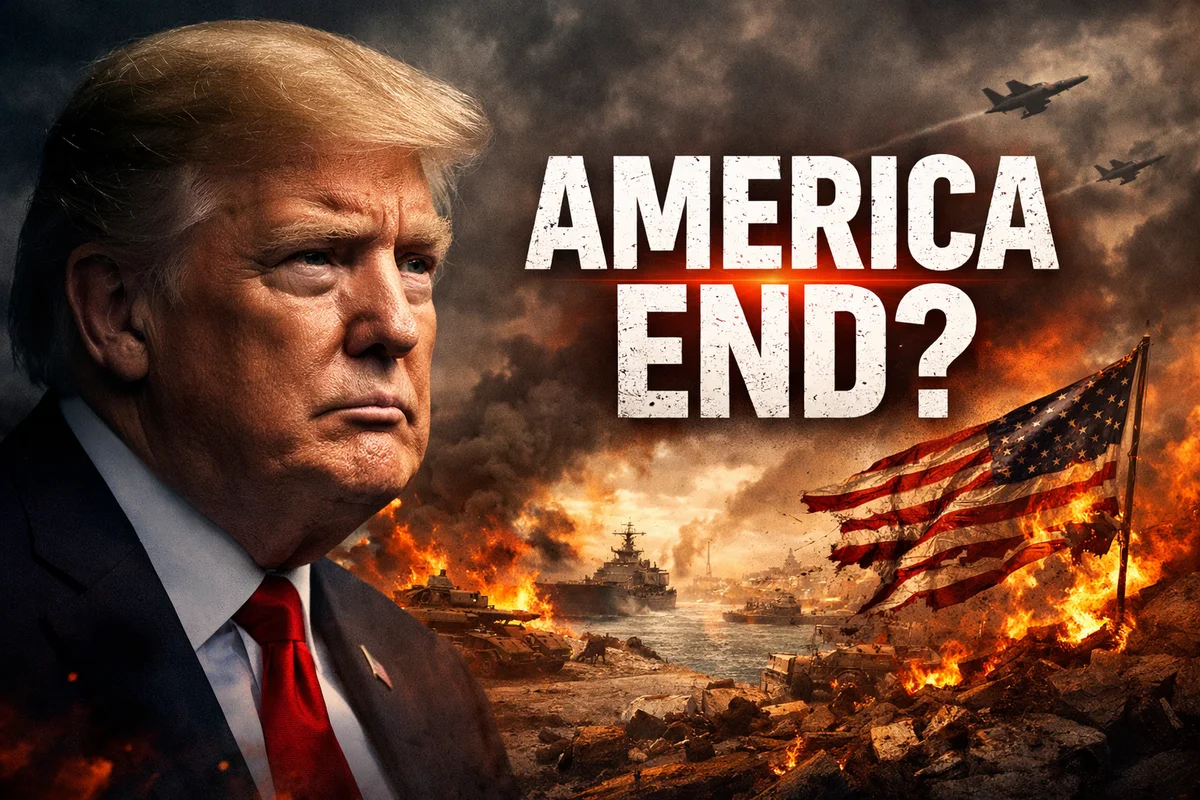
Global power does not collapse overnight. It fades when trust breaks, when control weakens, and when the world starts believing that a superpower is no longer in charge.
That is the core idea behind Ray Dalio’s warning. He draws a powerful comparison between the Strait of Hormuz today and the Suez Canal crisis of 1956. At first glance, it may seem dramatic. But history shows that such turning points often come suddenly.
The question now is simple but serious. Could control over a narrow waterway decide the future of American dominance?
Every major empire in history has relied on control over trade routes. These routes are not just about goods. They are about influence, leverage, and global trust.
The Strait of Hormuz is one of the most important chokepoints in the world. Around 20 percent of global oil supply passes through it. That includes exports from Saudi Arabia, the UAE, Iraq, and Kuwait. If this flow is disrupted, the global economy feels the shock instantly.
Think of it like a single tunnel connecting multiple highways. If someone blocks that tunnel, everything stops. Prices rise, supply chains break, and panic spreads across markets.
This is why the phrase “global oil supply disruption risk” is becoming more relevant. It is not just about oil. It is about control over the system that powers the global economy.
From a practical standpoint, any country that can influence this route gains massive strategic advantage.
Strategic chokepoints act as pressure points in global trade. When they are stable, markets remain calm. When they are threatened, volatility increases sharply.
Oil prices react almost instantly to any risk in the Strait of Hormuz. Even the possibility of disruption can trigger a surge. This shows how sensitive global energy markets are.
For businesses and governments, this creates uncertainty. Planning becomes difficult, and costs rise. Insurance, shipping, and logistics all become more expensive.
This is why control over such routes is not just military power. It is economic influence at a global scale.
To understand Dalio’s argument, we need to look back at 1956. At that time, Britain was still seen as a global superpower. It controlled key trade routes and had strong global influence.
The Suez Canal was central to that power. When Egypt nationalized it, Britain responded with military action alongside France and Israel. But the outcome was unexpected.
The United States, the Soviet Union, and global institutions pressured Britain to withdraw. And Britain had to step back.
That moment changed everything.
The keyword “Suez Canal crisis impact on Britain” reflects how quickly perception can shift. Britain did not lose all its power overnight. But the world saw something important. It could no longer act freely.
The real turning point was not military defeat. It was perception.
Once the world believed Britain was no longer dominant:
This created a chain reaction. Over the next two decades, Britain transitioned from a superpower to a secondary global player.
The lesson is simple. Power depends as much on perception as on reality.
Ray Dalio’s research covers more than 500 years of history. He studied how empires like Portugal, the Netherlands, and Britain rose and fell.
He found a repeating pattern.
A dominant power controls trade, currency, and military strength. Over time, it accumulates debt and faces challenges from smaller rivals. Then comes a critical test.
If the dominant power maintains control, its position strengthens. If it fails, decline accelerates.
The phrase “how superpowers decline historically” captures this idea. It is not about one event. It is about a series of signals that change global trust.
Dalio emphasizes that trust is the foundation of power. Once it weakens, everything else follows.
Three factors play a major role in this cycle:
When these combine, the system becomes fragile.
The reserve currency status of a nation depends on global trust. If investors and countries begin to doubt that trust, capital starts moving elsewhere. Gold, alternative currencies, and new alliances gain importance.
This is why discussions around “US dollar reserve currency risk” are increasing.
The United States remains the world’s leading power. But it is also facing multiple pressures at the same time.
Debt levels have risen significantly. Interest payments are consuming a larger share of government revenue. At the same time, recent conflicts have raised questions about long-term military effectiveness.
The keyword “US global dominance challenges” reflects this shift in conversation.
Now, the focus has turned toward Iran and the Strait of Hormuz. This is not just a regional issue. It is a test of influence.
If the United States can ensure open access to the Strait of Hormuz, it reinforces its position as a global stabilizer.
But if it struggles to do so, the implications could be larger:
This is why Dalio compares it to the Suez moment. It is about what the world believes after the event, not just the event itself.
The outcome of tensions around the Strait of Hormuz could shape the next phase of global power dynamics.
If stability is maintained, confidence in the US-led system could strengthen. Capital flows, alliances, and economic systems would continue along current lines.
But if instability grows, the impact could spread across multiple areas.
The keyword “global economic impact of oil disruption” becomes central here.
If the situation remains under control:
This would reinforce the current global order and reduce uncertainty.
If control weakens or disruptions occur:
This would not mean immediate collapse, but it could mark the beginning of a transition.
History rarely repeats exactly, but it often follows similar patterns. The Strait of Hormuz represents more than just a strategic location. It represents a test of influence, trust, and global leadership.
Ray Dalio’s warning is not about predicting collapse. It is about understanding how systems change when confidence shifts.
The outcome will depend on how events unfold and how global players respond. But one thing is clear. Control over critical trade routes has always shaped the rise and fall of powers.
And once again, the world is watching closely.
Financial journalist specializing in market analysis, stock research, and investment trends. Dedicated to providing accurate, timely insights for informed decision-making.
Credentials: Experienced financial journalist with expertise in equity markets and economic analysis
The information provided in this article is for educational and informational purposes only and should not be construed as financial, investment, or legal advice. welomoney does not provide personalized investment recommendations.
For detailed terms and conditions, please read our Disclaimer and Terms of Service.
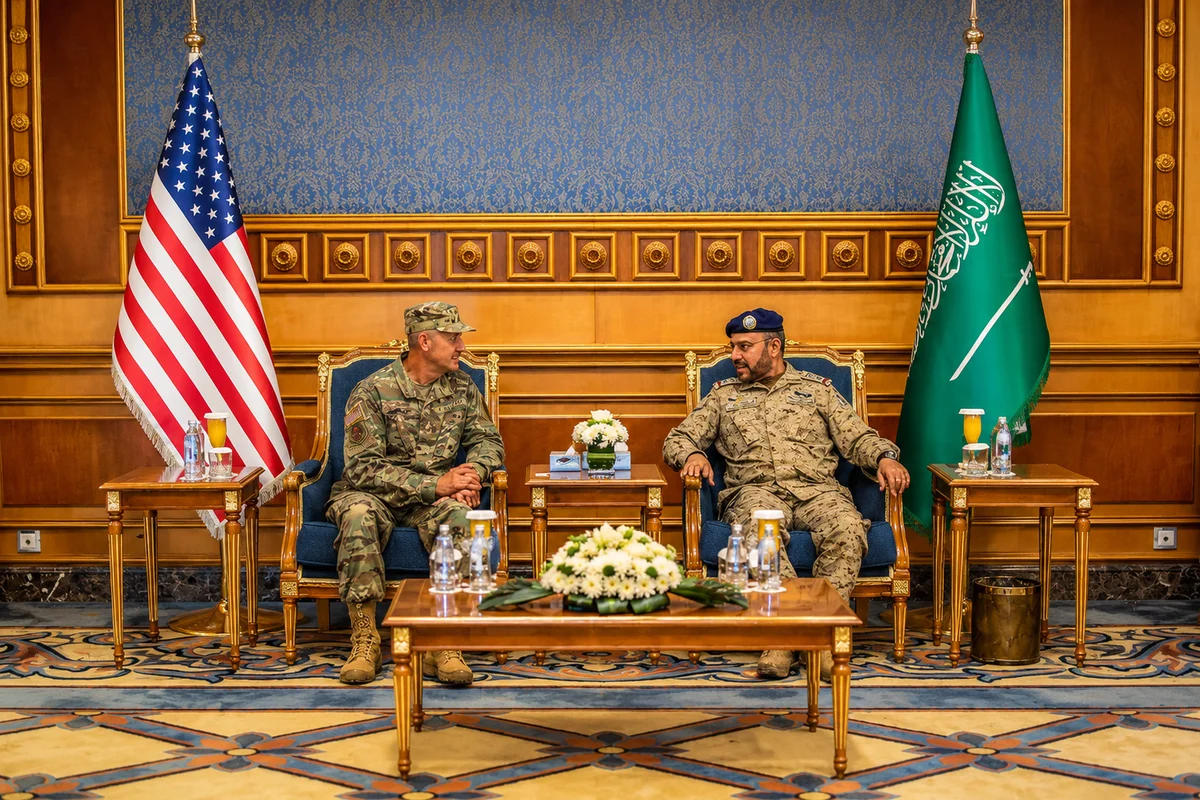
The United States has approved a $1.96 billion weapons package for Saudi Arabia, strengthening the kingdom's air defence capabilities as geopolitical...
OnePlus has announced the end of OxygenOS, replacing it with Oppo's ColorOS 17 on future devices.
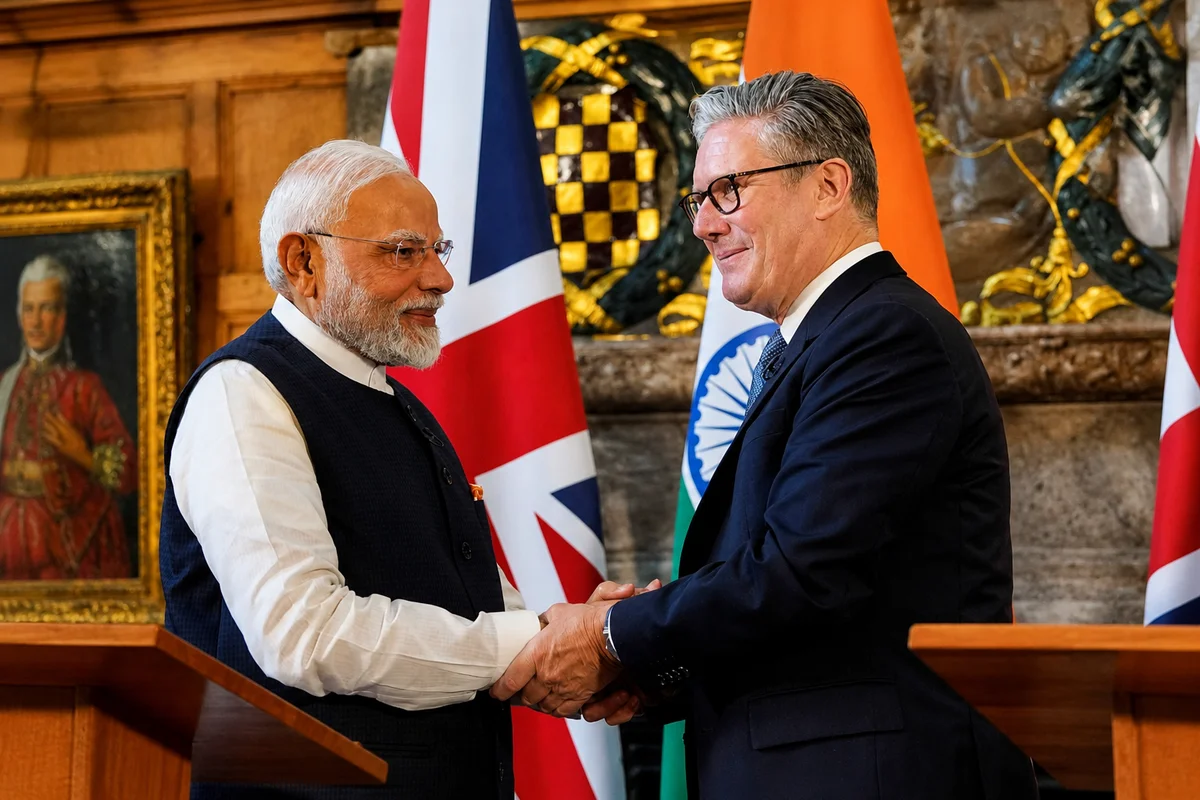
The Comprehensive Economic and Trade Agreement (CETA) between India and the United Kingdom officially came into effect on July 15, 2026, marking one...
Coalition of the Willing Summit: Zelensky launches the FREYJA missile defence programme as France pledges Rafale jets, the UK expands military...

Xiaomi SkyNomad N90 debuts as the company's first hybrid SUV featuring swivel seats, fold-out coffee table, sleeping space, 370 km EV range, 420 bhp...