Loading market data...
Sat, 19 Sept 2026
10:08:05 am
Sat, 19 Sept 2026
10:08:05 am

Rudransh Sangwan
Published at: August 5, 2026, 4:55 AM
Synopsis
Tata Motors share price gained after the ICCT Global Automaker Rating 2025 ranked its EV portfolio as the world's most energy efficient. Know how Tata Motors outperformed Tesla, BYD, BMW and other global automakers on battery energy efficiency and what it means for investors.
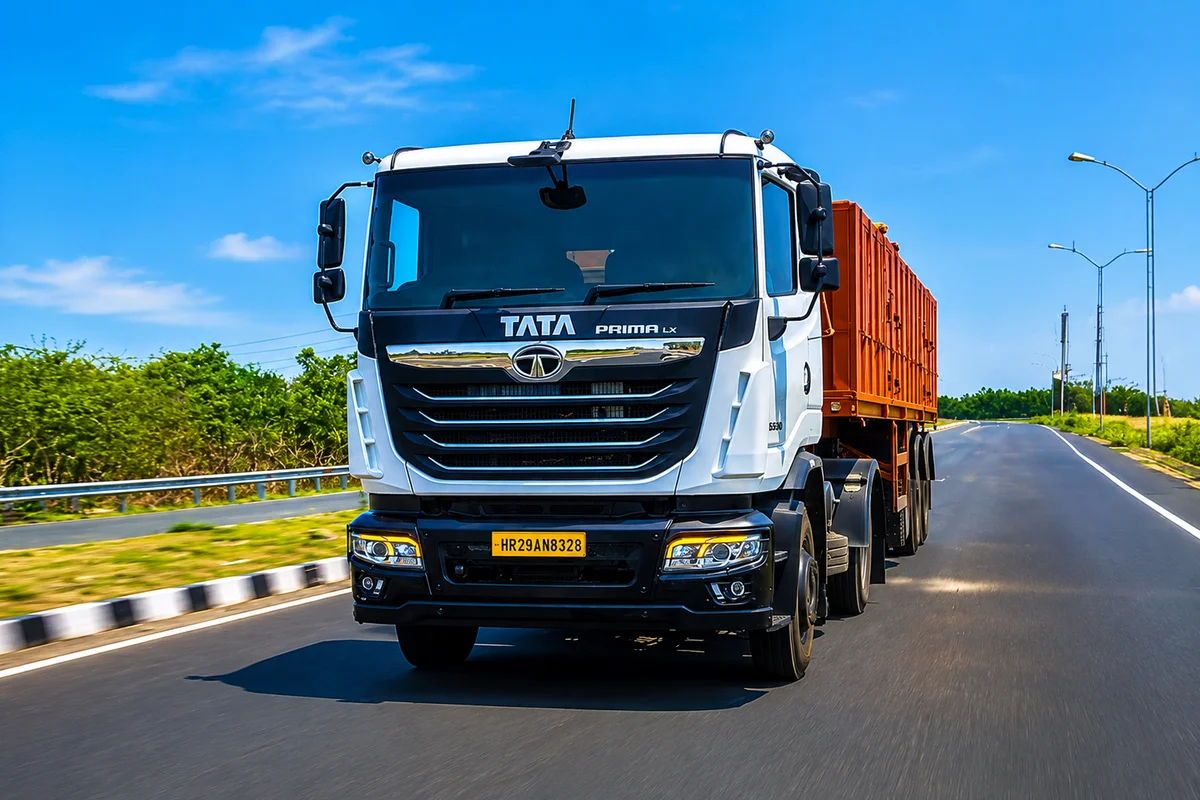
Tata Motors share price traded higher on Wednesday after the company received a major global recognition for its electric vehicle technology. According to the International Council on Clean Transportation (ICCT) Global Automaker Rating 2025, Tata Motors recorded the lowest weight adjusted battery electric vehicle energy consumption among 22 leading global automobile manufacturers. The achievement placed the Indian automaker ahead of global EV makers including Tesla, BYD, BMW, Volkswagen, Hyundai Kia and Mercedes Benz on this specific efficiency parameter.
The recognition has strengthened investor confidence as energy efficiency has become one of the most important indicators of EV technology. While the ICCT report is not an overall ranking of electric vehicle manufacturers, it highlights Tata Motors' ability to extract more driving distance from every unit of battery energy consumed. The development also comes at a time when India's electric vehicle market continues to expand, supported by improving charging infrastructure, policy support and rising consumer adoption.
Loading chart...
| Particulars | Details |
|---|---|
| Company | Tata Motors |
| Report | ICCT Global Automaker Rating 2025 |
| Global Ranking | First in BEV Energy Efficiency Metric |
| Adjusted Energy Consumption | 106 Wh/km |
| Major Competitors | Tesla, BYD, BMW, Volkswagen, Hyundai Kia, Mercedes Benz |
| Assessment Method | Weight Adjusted BEV Portfolio Efficiency |
The ICCT study measured how efficiently electric vehicle manufacturers use battery energy across their battery electric vehicle portfolios after adjusting for vehicle weight. Tata Motors achieved an adjusted energy consumption figure of 106 Wh/km, the lowest among all manufacturers included in the assessment. Mahindra & Mahindra secured the second position with 113 Wh/km, making it a notable achievement for India's automobile industry.
Lower energy consumption means an electric vehicle requires less electricity to travel the same distance. Higher efficiency can reduce charging costs, improve driving range and lower dependence on larger battery packs. While the figures do not represent the real world efficiency of every individual Tata electric vehicle, they reflect the overall efficiency of the company's electric vehicle portfolio based on the ICCT's sales weighted methodology.
| Manufacturer | Adjusted Energy Consumption |
|---|---|
| Tata Motors | 106 Wh/km |
| Mahindra & Mahindra | 113 Wh/km |
| Tesla | Higher than 113 Wh/km |
| BYD | Higher than 113 Wh/km |
| BMW | Higher than 113 Wh/km |
| Volkswagen | Higher than 113 Wh/km |
One of the biggest reasons behind Tata Motors' strong performance is its diversified electric vehicle lineup across multiple price segments. The company currently offers electric models including Tiago.ev, Tigor.ev, Punch.ev, Nexon.ev and Curvv.ev, giving it a balanced portfolio ranging from compact hatchbacks to electric SUVs.
Smaller and lighter vehicles generally require less battery energy for movement. However, the ICCT methodology adjusts energy consumption according to vehicle weight, ensuring manufacturers are compared on engineering efficiency rather than vehicle size alone. This means Tata Motors' top ranking reflects improvements in electric motors, battery management systems, regenerative braking, thermal management and power electronics rather than simply selling smaller vehicles.
| Benefit | Impact |
|---|---|
| Lower Electricity Consumption | Reduced charging cost |
| Better Battery Utilisation | More range from available battery |
| Smaller Battery Requirement | Lower manufacturing cost |
| Reduced Vehicle Weight | Higher efficiency |
| Lower Grid Load | Better long term sustainability |
The report also recognised Mahindra & Mahindra, which secured the second position despite having a product portfolio focused largely on electric SUVs. Larger SUVs naturally consume more energy because of their size and weight, making Mahindra's ranking particularly noteworthy.
The ICCT expanded its Global Automaker Rating this year to include Mahindra for the first time. Its adjusted energy consumption of 113 Wh/km suggests the company's latest electric vehicle architecture has achieved competitive efficiency despite operating primarily in the SUV segment.
It is important to note that Tata Motors did not top the overall ICCT Global Automaker Rating. The study evaluates manufacturers using multiple parameters covering market presence, technology performance and long term electrification strategy. The battery electric vehicle energy consumption metric represents only one of these indicators.
Companies such as Tesla and BYD continue to perform strongly across broader EV transition metrics including electric vehicle sales, charging capability, product availability and strategic investment. However, Tata Motors emerged as the global leader specifically in battery energy efficiency after weight adjustment.
| Category | Focus Area |
|---|---|
| Market Performance | EV Sales and Product Availability |
| Technology | Range, Charging and Energy Efficiency |
| Strategy | Future Investments and Sustainability |
| Battery Management | Recycling and Manufacturing Initiatives |
The recognition highlights the growing technological capability of India's electric vehicle industry. As battery packs remain the costliest component in an electric vehicle, improving efficiency allows manufacturers to deliver competitive driving range without relying solely on larger batteries. This can reduce manufacturing costs while making EVs more affordable for consumers.
Efficient electric vehicles also place less demand on electricity infrastructure because they consume less energy over their lifetime. With EV adoption expected to increase significantly in India, higher efficiency can contribute to lower operating costs for consumers and improve the long term sustainability of the country's transport ecosystem.
The ICCT recognition strengthens Tata Motors' technological credibility in the global electric vehicle market. Investors will now closely monitor how the company converts this engineering advantage into stronger EV sales, wider international expansion and continued product innovation. Future launches, battery technology improvements, charging ecosystem development and market share gains will remain important growth drivers.
As India's EV ecosystem continues to mature, global recognition for engineering excellence could further strengthen Tata Motors' competitive position, particularly as consumers increasingly focus on efficiency, ownership costs and long term value alongside driving range.
Financial journalist specializing in market analysis, stock research, and investment trends. Dedicated to providing accurate, timely insights for informed decision-making.
Credentials: Experienced financial journalist with expertise in equity markets and economic analysis
The information provided in this article is for educational and informational purposes only and should not be construed as financial, investment, or legal advice. welomoney does not provide personalized investment recommendations.
For detailed terms and conditions, please read our Disclaimer and Terms of Service.

BEML shares gained after the company secured a major NHSRCL order for the Mumbai Ahmedabad high speed rail corridor.

Sonaselection India IPO subscription status shows category-wise bidding from retail investors, NIIs and QIBs.

Indian IT stocks are under pressure as investors track US interest rates, global technology sentiment and client spending.

Tata Chemicals shares came under pressure amid fresh Tata Sons developments. Check why the stock fell, its Tata Sons stake and key factors investors...

ONGC shares fell as crude oil prices eased and energy stocks faced pressure. Check the key factors behind the decline, OPaL concerns and what...