Loading market data...
Sun, 20 Sept 2026
08:03:49 am
Sun, 20 Sept 2026
08:03:49 am

Rudransh Sangwan
Published at: May 7, 2026, 3:11 PM
Synopsis
Paytm operator One97 Communications reported strong Q4 FY26 earnings, posting a profit of ₹183 crore and maintaining profitability for consecutive quarters. Revenue from operations rose 18% year-on-year to ₹2,264 crore, while full-year FY26 revenue climbed 22% to ₹8,437 crore.
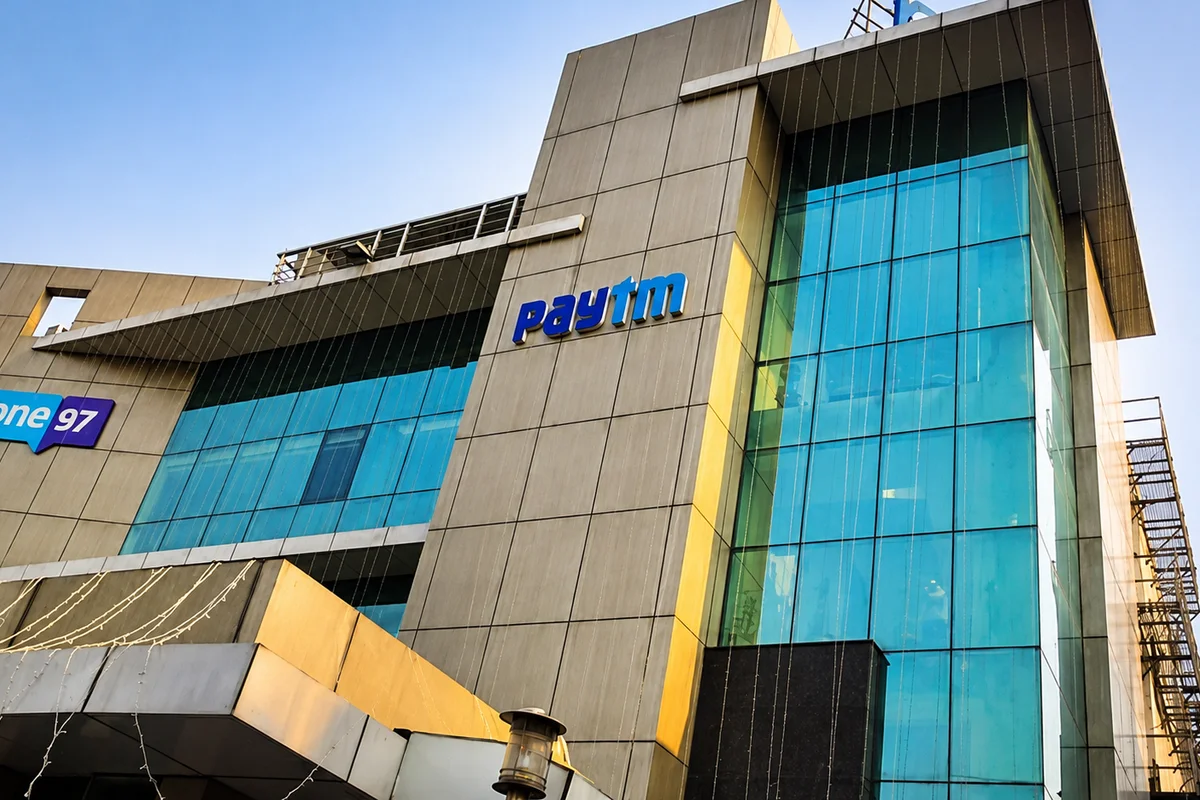
Fintech major Paytm reported a profitable fourth quarter for FY26, marking another milestone in its turnaround journey as the company continued to improve operational performance and strengthen its domestic ownership structure.
Parent company One97 Communications posted a net profit of ₹183 crore in Q4 FY26, compared to a loss of ₹545 crore in the same quarter last year. The sharp improvement came as the company maintained profitability for consecutive quarters and also achieved full-year profitability for FY26.
The company’s revenue from operations rose 18% year-on-year to ₹2,264 crore in the March quarter, up from ₹1,912 crore in Q4 FY25. Including other non-operating income of ₹178 crore, Paytm’s total revenue stood at ₹2,442 crore during the quarter.
On a sequential basis, revenue remained largely stable, reflecting steady growth across payments, merchant services, and financial distribution businesses.
Loading chart...
| Particulars | Q4 FY26 | Q4 FY25 | YoY Change |
|---|---|---|---|
| Revenue from Operations | ₹2,264 Cr | ₹1,912 Cr | +18% |
| Total Revenue | ₹2,442 Cr | ₹2,060 Cr* | +18% |
| Net Profit/Loss | ₹183 Cr | -₹545 Cr | Turnaround |
| Total Expenses | ₹2,269 Cr | ₹2,155 Cr | +5% |
| Employee Expenses | ₹739 Cr | ₹739 Cr | Flat |
| Payment Processing Charges | ₹692 Cr | ₹520 Cr | +33% |
| Marketing Expenses | ₹169 Cr | ₹143 Cr | +18% |
*Approximate including other income.
Paytm also reported strong annual growth, with FY26 revenue increasing 22% year-on-year to ₹8,437 crore compared to ₹6,900 crore in FY25.
More importantly, the company achieved full-year profitability with a net profit of ₹552 crore, signaling a major shift after years of losses and restructuring.
| Metric | FY26 | FY25 |
|---|---|---|
| Annual Revenue | ₹8,437 Cr | ₹6,900 Cr |
| Net Profit | ₹552 Cr | Loss |
| Revenue Growth | +22% | — |
Employee benefits continued to remain the largest cost component for the company, accounting for around 32.5% of total expenses. Employee costs remained stable at ₹739 crore during the quarter.
Payment processing charges increased sharply by 33% year-on-year to ₹692 crore, reflecting higher transaction volumes and growth in payment services.
Marketing expenses also rose 18% to ₹169 crore as Paytm continued investing in customer engagement and merchant acquisition.
Despite higher operating costs, revenue growth and improving operational efficiency helped the company maintain profitability.
One of the biggest developments for Paytm during FY26 was the transition toward majority Indian ownership.
Foreign institutional investors (FIIs), who held over 72% stake in June 2023, reduced their ownership to 49.4% by March 2026.
At the same time, domestic institutional investors (DIIs) significantly increased their stake in the company, improving local institutional participation in the fintech platform.
Paytm also announced fresh ESOP grants worth nearly ₹19.5 crore under its ESOP 2019 scheme.
The company allocated approximately 1.77 lakh equity shares to employees as part of its long-term incentive and retention strategy.
Following the earnings announcement, Paytm shares closed at ₹1,100 on the NSE.
The company’s market capitalisation stood at approximately ₹71,052 crore, or nearly $7.5 billion.
The company continues to benefit from strong growth in digital payments and merchant transactions across India.
Loan distribution, merchant lending, insurance, and wealth products are becoming increasingly important revenue contributors.
Paytm’s improving cost controls and stable employee expenses are helping margins improve gradually.
Rising domestic institutional ownership reflects improving investor confidence in the company’s long-term business model.
Despite the improving profitability trend, Paytm still faces several risks:
| Risk Area | Impact |
|---|---|
| Rising Competition | Pressure from PhonePe, Google Pay, banks |
| Regulatory Oversight | RBI scrutiny on fintech operations |
| Payment Processing Costs | Higher transaction-linked expenses |
| Profit Sustainability | Need to maintain margins consistently |
Analysts expect Paytm to focus aggressively on:
The company’s ability to sustain profitable growth while scaling its lending and merchant ecosystem will remain the key factor investors watch in FY27.
Paytm’s Q4 FY26 results mark another important step in the company’s turnaround story. Revenue growth remained healthy, profitability improved significantly, and the company achieved full-year profit for FY26.
While competitive and regulatory risks remain, Paytm’s improving financial profile, expanding fintech ecosystem, and growing domestic institutional participation suggest the company is entering a more stable phase after years of volatility.
The next phase for Paytm will likely depend on whether it can convert scale into sustainable long-term profitability while continuing to defend market share in India’s rapidly evolving digital payments industry.
Paytm reported a net profit of ₹183 crore in Q4 FY26, compared to a loss of ₹545 crore in the same quarter last year.
Paytm’s revenue from operations rose to ₹2,264 crore in Q4 FY26, marking an 18% year-on-year increase.
Yes, Paytm achieved full-year profitability in FY26 with a net profit of ₹552 crore.
Growth was supported by higher digital payment volumes, merchant services expansion, financial products distribution, and improving fintech monetisation.
Employee benefits remained the largest expense at ₹739 crore, followed by payment processing charges of ₹692 crore.
Payment processing charges increased 33% year-on-year due to higher transaction volumes and growth in payment services.
As of the latest trading session, Paytm’s market capitalisation stood at around ₹71,052 crore.
Yes, Paytm granted fresh ESOPs worth nearly ₹19.5 crore covering around 1.77 lakh equity shares.
Yes, Paytm became majority Indian-owned after foreign institutional investor holdings fell below 50% by March 2026.
Key challenges include intense competition in digital payments, regulatory scrutiny, rising transaction costs, and maintaining sustainable profitability.
Analysts expect Paytm to focus on expanding financial services, improving margins, strengthening merchant monetisation, and maintaining consistent profitability growth.
Paytm shares closed at ₹1,100 after the Q4 FY26 earnings announcement.
Financial journalist specializing in market analysis, stock research, and investment trends. Dedicated to providing accurate, timely insights for informed decision-making.
Credentials: Experienced financial journalist with expertise in equity markets and economic analysis
The information provided in this article is for educational and informational purposes only and should not be construed as financial, investment, or legal advice. welomoney does not provide personalized investment recommendations.
For detailed terms and conditions, please read our Disclaimer and Terms of Service.

BEML shares gained after the company secured a major NHSRCL order for the Mumbai Ahmedabad high speed rail corridor.

Sonaselection India IPO subscription status shows category-wise bidding from retail investors, NIIs and QIBs.

Indian IT stocks are under pressure as investors track US interest rates, global technology sentiment and client spending.

Tata Chemicals shares came under pressure amid fresh Tata Sons developments. Check why the stock fell, its Tata Sons stake and key factors investors...
ONGC shares fell as crude oil prices eased and energy stocks faced pressure. Check the key factors behind the decline, OPaL concerns and what...