Loading market data...
Wed, 02 Sept 2026
06:58:24 am
Wed, 02 Sept 2026
06:58:24 am
Synopsis
Sensex crashes over 1,500 points wiping ₹9 lakh crore. Here are the 5 key reasons behind today’s sharp stock market selloff.
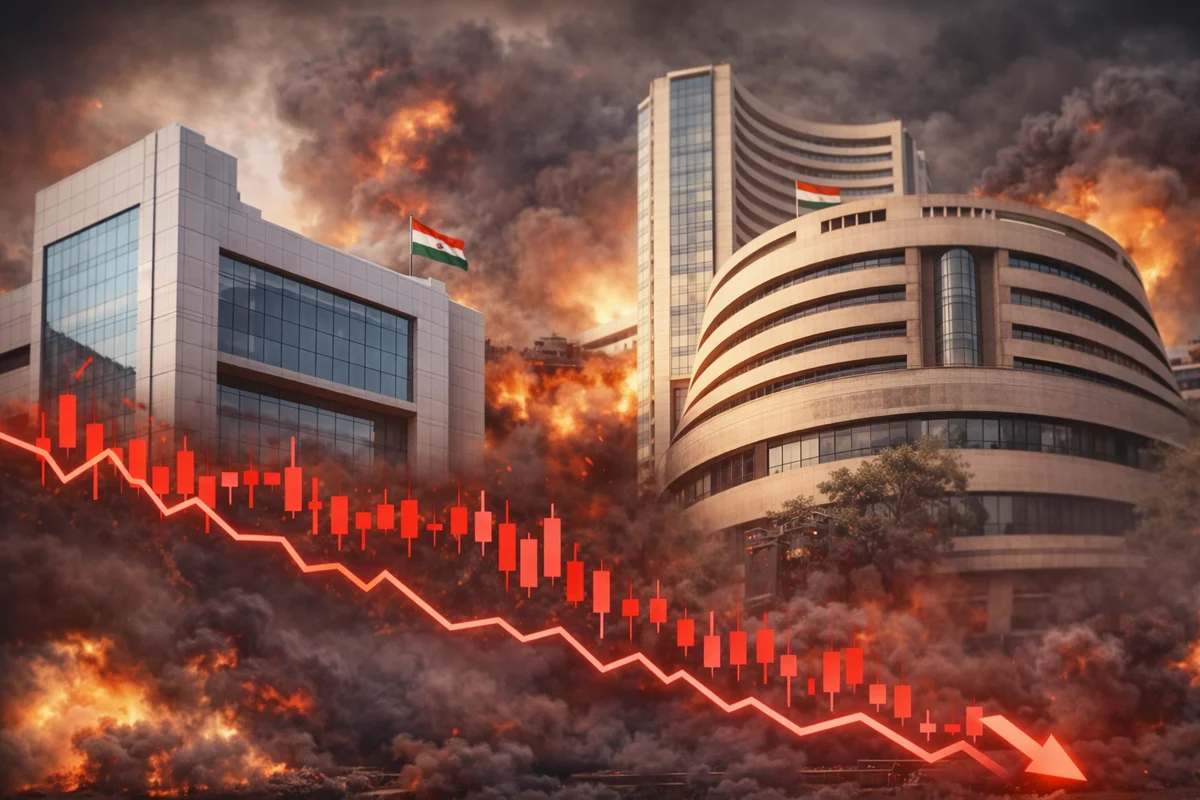
Indian stock markets witnessed a massive selloff, with the BSE Sensex plunging over 1,500 points and the Nifty slipping below the 22,250 mark. This sharp fall wiped out nearly ₹9–11 lakh crore in investor wealth within a single session.
The crash came just a day after a strong rally, highlighting how quickly market sentiment can reverse. Broad-based selling was seen across sectors, including banking, pharma, and auto stocks.
For example, almost all major indices traded in the red, reflecting panic selling and risk-off sentiment among investors.
The takeaway is clear. This was not a sector-specific fall but a full market-wide correction triggered by multiple global and domestic factors.
The biggest trigger behind the crash was renewed geopolitical tension. Statements indicating possible escalation in the Iran-US conflict shook global markets and investor confidence.
Investors had earlier expected de-escalation, but aggressive signals of continued military action reversed sentiment sharply.
For example, fears of prolonged conflict raised concerns about global stability and economic slowdown, leading to heavy selling in equities.
The takeaway is simple. Geopolitical uncertainty remains one of the strongest drivers of market volatility.
Another major factor was the sharp rise in crude oil prices, which crossed key levels above $100 per barrel.
India is a major oil importer, so rising crude prices directly impact:
For instance, higher oil prices increase costs for companies and reduce profitability, which negatively affects stock valuations.
The takeaway is that rising crude prices are a major headwind for Indian markets.
Foreign institutional investors continued their selling spree, adding significant pressure on the markets.
Recent data shows:
For example, when FIIs sell heavily, it creates liquidity pressure and drags indices lower.
The takeaway is that sustained foreign selling is a key reason behind market weakness.
Rising global bond yields also contributed to the selloff. Higher yields make fixed-income investments more attractive compared to equities.
When bond yields rise:
For instance, rising US bond yields signal tighter financial conditions, which negatively impacts global equity markets.
The takeaway is that bond yields and stock markets often move inversely.
Market volatility increased sharply, with India VIX rising, indicating growing fear among traders.
At the same time, technical indicators showed weakness:
For example, once key levels are broken, algorithmic and institutional selling accelerates the fall.
The takeaway is that technical breakdowns amplified the crash.
Sectoral weakness also played a major role, especially in banking and pharma stocks.
Key observations:
For instance, financial stocks have heavy weightage in indices, so their decline significantly impacts overall market movement.
The takeaway is that sectoral weakness added fuel to the broader selloff.
Today’s crash highlights how sensitive markets are to global events and macroeconomic signals.
Key lessons:
For example, investors who chase rallies without confirmation often get trapped during sudden corrections.
The takeaway is that disciplined investing matters more than reacting to short-term movements.
Going forward, market direction will depend on how global and domestic factors evolve.
Key triggers to watch:
If tensions ease and global markets stabilize, a recovery could follow. However, continued uncertainty may keep markets volatile.
The final takeaway is clear. The crash is driven by multiple global triggers, and sustained recovery will depend on stability in these factors.

Financial journalist specializing in market analysis, stock research, and investment trends. Dedicated to providing accurate, timely insights for informed decision-making.
Credentials: Experienced financial journalist with expertise in equity markets and economic analysis
The information provided in this article is for educational and informational purposes only and should not be construed as financial, investment, or legal advice. welomoney does not provide personalized investment recommendations.
For detailed terms and conditions, please read our Disclaimer and Terms of Service.
Oracle layoffs 2026: Employees brace for possible September 1 job cuts after 21,000 layoffs.

Mumbai warehouse raid uncovers tampered food labels on popular packaged food products, raising fresh concerns over food safety and export supply...

RBI plans polymer ₹10 and ₹20 notes with strict tender conditions. Check the latest on animal fat, China-Pakistan links, companies in the race and...
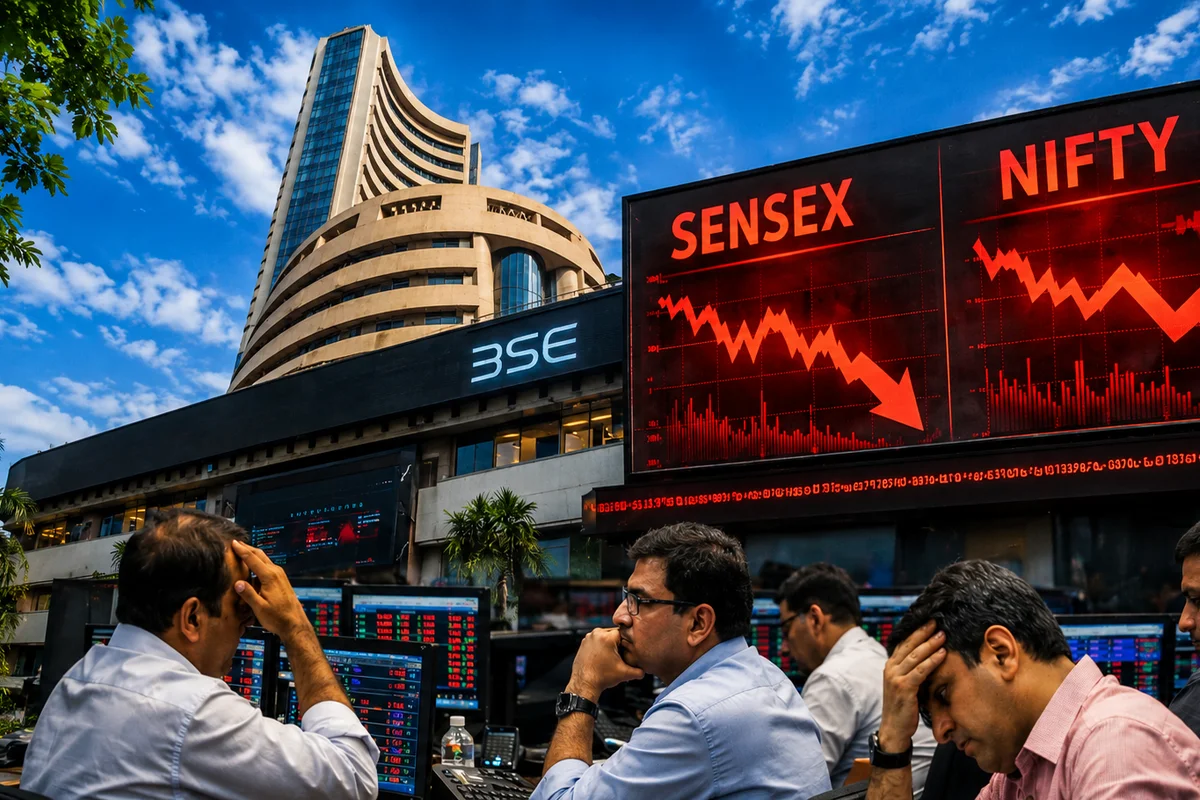
Indian stock markets fell on August 31, 2026, as renewed West Asia tensions pushed crude oil prices higher.

Indian stock market today saw sharp movements across key sectors, with major gainers and losers driving notable volatility on the NSE.