Loading market data...
Wed, 02 Sept 2026
08:01:19 am
Wed, 02 Sept 2026
08:01:19 am

Rudransh Sangwan
Published at: April 3, 2026, 7:03 AM
Synopsis
India paused the 60% free seat rule for flights. Here’s the real reason behind the rollback and what it means for fares.
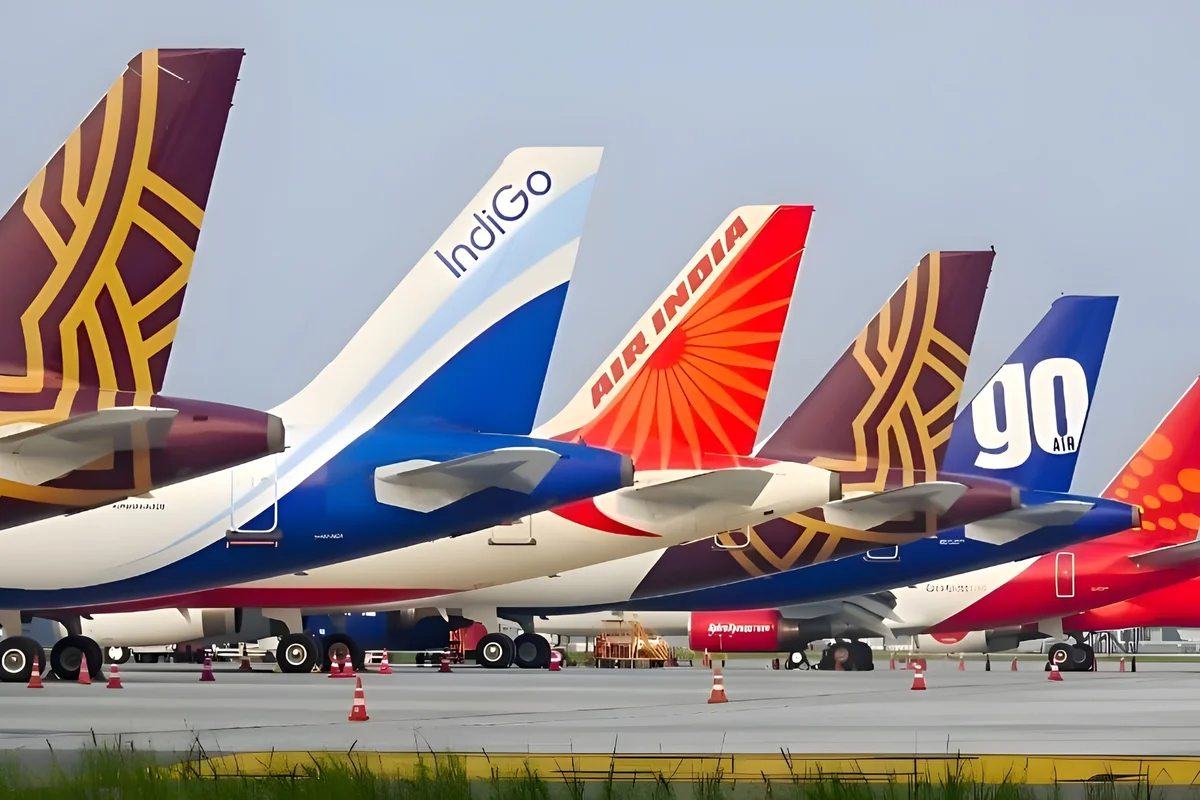
A rule meant to make flying cheaper could have actually made flights more expensive.
That’s the paradox behind the Indian government’s decision to put the 60% free flight seat allocation rule on hold just weeks after announcing it.
The policy initially required airlines to offer at least 60% of seats without extra charges for seat selection. It sounded like a big win for passengers. But behind the scenes, it triggered a chain reaction that forced policymakers to step back.
This is not just a policy rollback. It is a lesson in how airline economics really works.
The original rule aimed to solve a common passenger complaint. Airlines charge extra for selecting seats, even after buying a ticket.
The government wanted to:
Under the rule, at least 60% of seats had to be offered free of selection charges.
Example: Currently, airlines typically offer only about 5 to 15% of seats for free selection. Increasing this to 60% would have been a major shift in pricing structure.
Practical takeaway: The rule was consumer-friendly in intent but structurally disruptive for airline pricing.
The rollback was not random. It was driven by strong pushback from airlines and deeper economic concerns.
Airlines argued that seat selection fees are not just optional extras. They are a key part of their revenue model.
Key reasons behind the decision:
Airlines warned that removing these charges would force them to increase base ticket prices to compensate.
At the same time, rising fuel costs and global tensions were already increasing operational expenses.
Practical takeaway: The government paused the rule because it could have backfired and made flights costlier overall.
Most people think airlines make money from ticket prices.
That is outdated.
Modern airlines rely heavily on ancillary revenue, which includes:
In many cases, base fares are kept artificially low, and profits come from these additional services.
Example: If airlines lose seat selection revenue, they do not absorb the loss. They redistribute it into ticket prices.
That creates a hidden shift:
Practical takeaway: Removing fees does not eliminate costs. It redistributes them.
The rule looked like a consumer benefit. But the deeper issue is pricing structure.
Airline pricing works on a low base fare plus add-ons model.
By forcing 60% of seats to be free:
Here is the key insight:
This was not a passenger benefit policy. It was a pricing model disruption.
Another overlooked factor is timing. The aviation sector is already under pressure due to:
Key insight:
Practical takeaway: Policies that ignore business models often create unintended consequences.
The government has not cancelled the rule permanently. It has put it in abeyance for further review.
That means:
Example: The government may reduce the requirement from 60% to a lower threshold or introduce caps on fees instead.
Practical takeaway: This is a pause for recalibration, not a complete reversal.
If the government revises the policy:
If no changes are made:
If passenger pressure increases:
Practical takeaway: The final outcome will depend on balancing affordability with airline viability.
This policy directly impacts how you book flights.
What to do:
What to avoid:
Example: A slightly higher ticket with free seat selection can be cheaper than a low fare with multiple add-ons.
Practical takeaway: Always look at total travel cost, not just base fare.
Several risks still remain:
These risks can combine and affect both pricing and travel experience.
Practical takeaway: Policy changes in aviation often have delayed and indirect effects.
The 60% free seat rule looked like a win for passengers, but it exposed a deeper truth.
Airline pricing is not simple.
You cannot remove one revenue stream without affecting the entire system.
The government’s decision to pause the rule is not a rollback of consumer rights. It is a recognition of how tightly balanced the aviation business really is.
The real question now is not whether seats will be free.
It is how the system will evolve without making flying more expensive for everyone.
The government paused the rule after airlines warned it would disrupt their revenue model and lead to higher ticket prices. Rising fuel costs and financial pressure in the aviation sector also influenced the decision.
Not necessarily. While seat selection would be free, airlines could have increased base ticket prices to compensate for lost revenue, potentially making overall travel more expensive.
It may return in a modified form. The government is reviewing the policy and could introduce a balanced version that protects passengers without hurting airline profitability.
Financial journalist specializing in market analysis, stock research, and investment trends. Dedicated to providing accurate, timely insights for informed decision-making.
Credentials: Experienced financial journalist with expertise in equity markets and economic analysis
The information provided in this article is for educational and informational purposes only and should not be construed as financial, investment, or legal advice. welomoney does not provide personalized investment recommendations.
For detailed terms and conditions, please read our Disclaimer and Terms of Service.
Oracle layoffs 2026: Employees brace for possible September 1 job cuts after 21,000 layoffs.
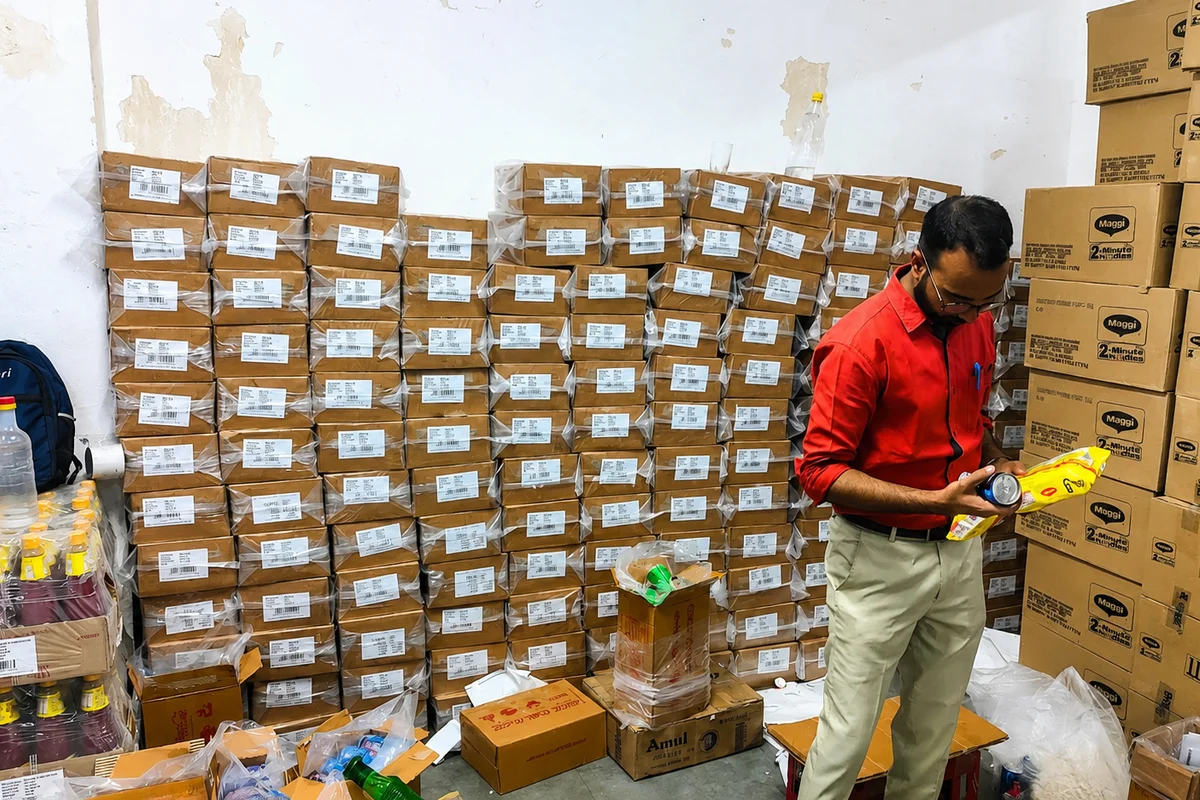
Mumbai warehouse raid uncovers tampered food labels on popular packaged food products, raising fresh concerns over food safety and export supply...
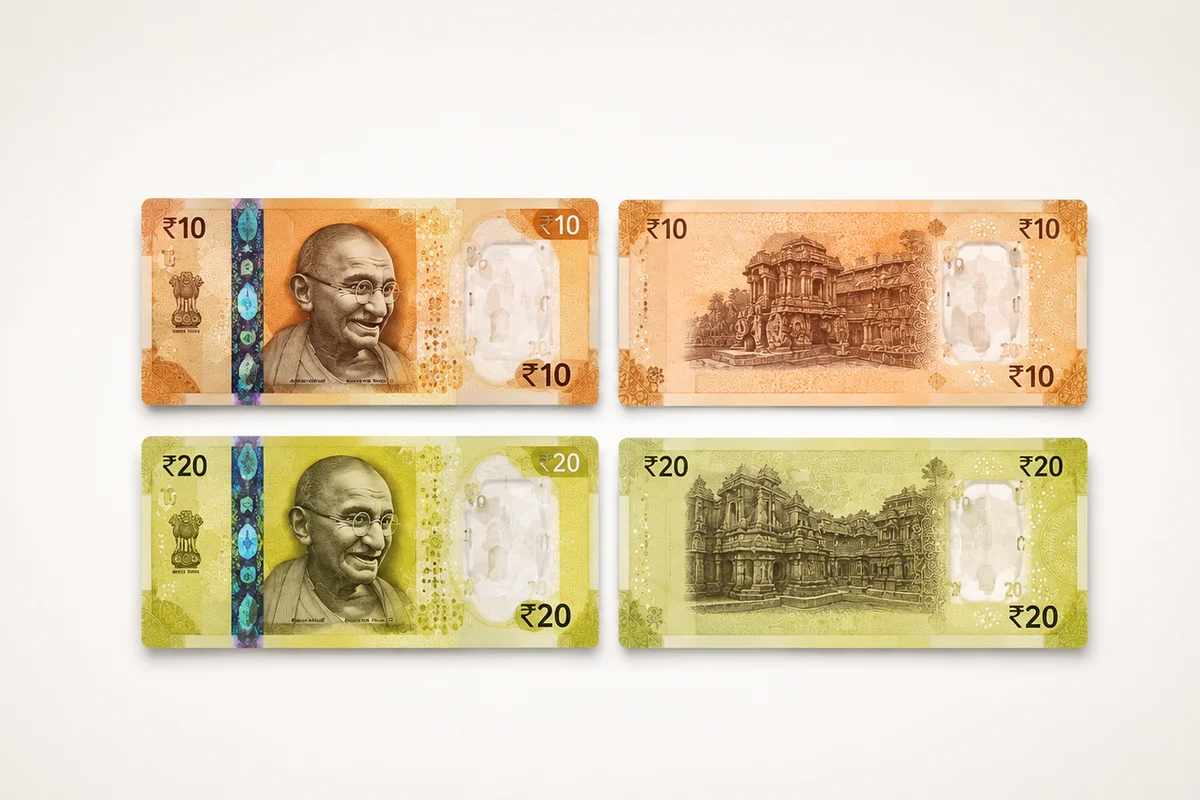
RBI plans polymer ₹10 and ₹20 notes with strict tender conditions. Check the latest on animal fat, China-Pakistan links, companies in the race and...
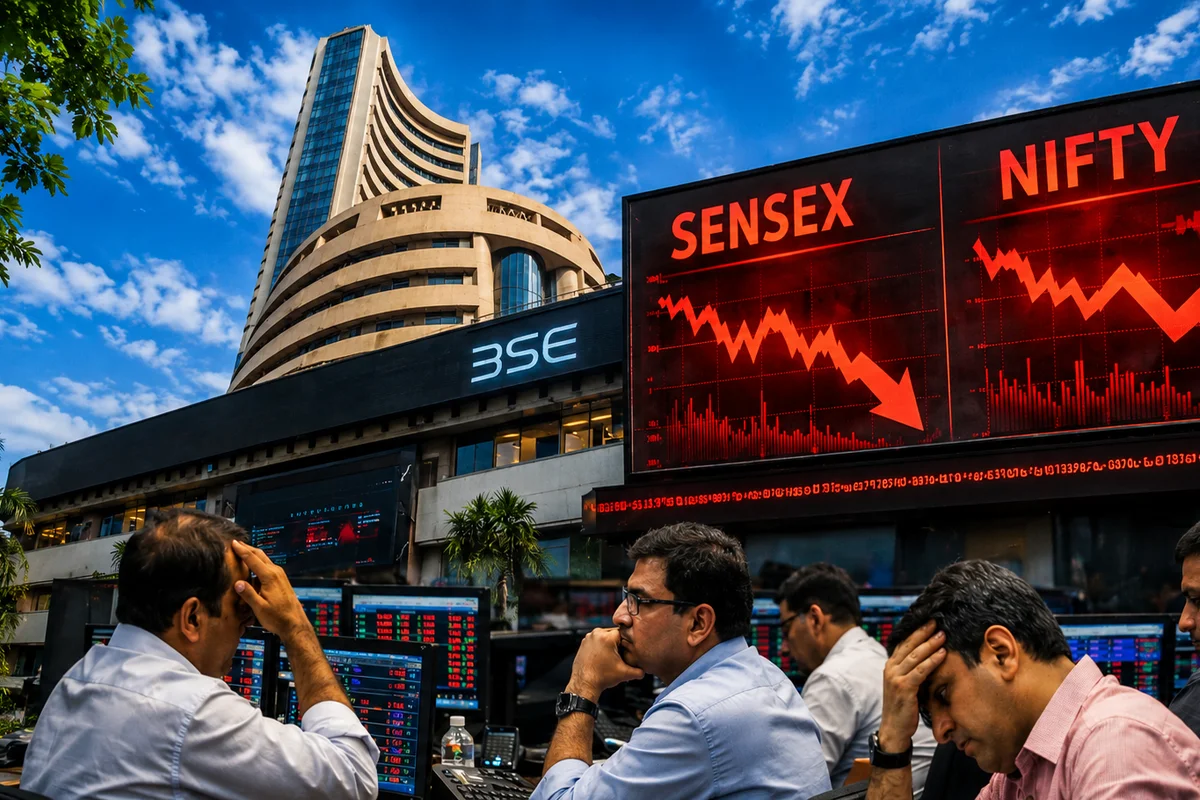
Indian stock markets fell on August 31, 2026, as renewed West Asia tensions pushed crude oil prices higher.

Indian stock market today saw sharp movements across key sectors, with major gainers and losers driving notable volatility on the NSE.