Loading market data...
Sun, 19 Jul 2026
04:36:48 am
Sun, 19 Jul 2026
04:36:48 am

Rudransh Sangwan
Published at: March 31, 2026, 12:57 PM
Synopsis
Sensex delivers zero returns over 2 years and hits a 2-year low. Here’s what caused the market stagnation and what investors should expect next.
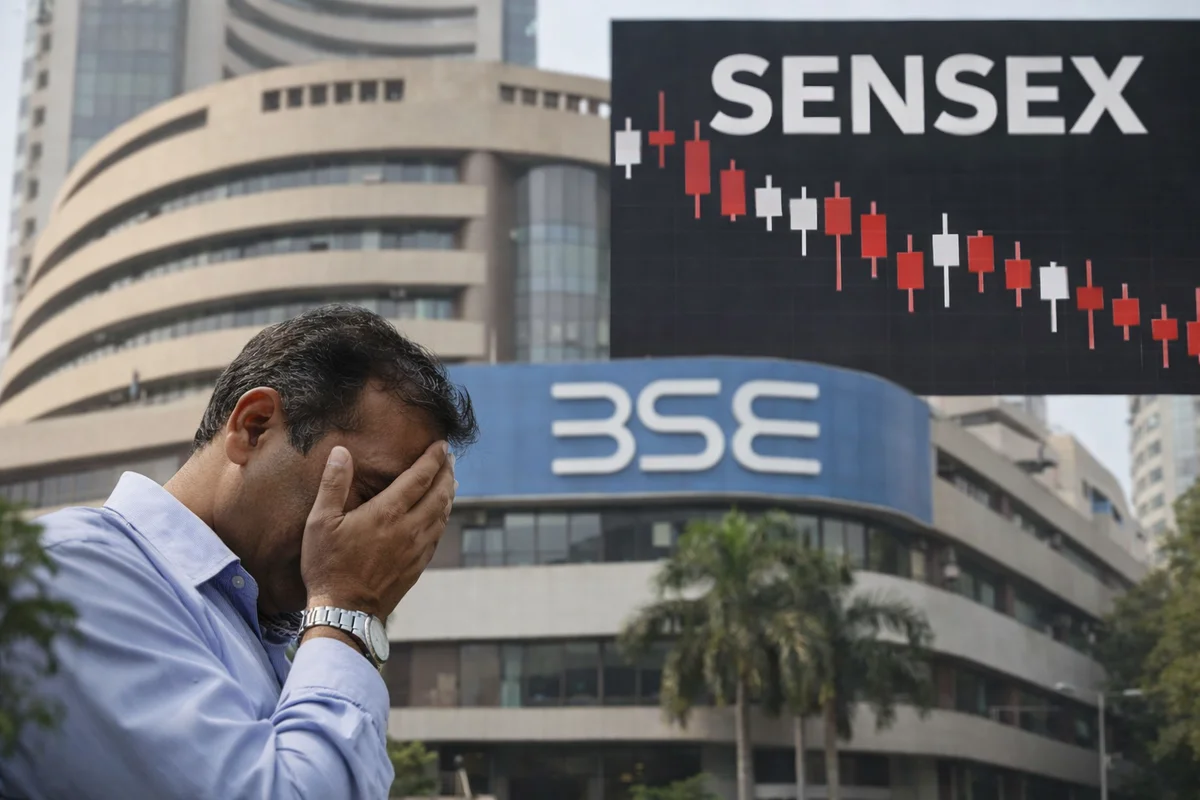
The BSE Sensex, once surrounded by strong bullish expectations of hitting the 100,000 mark, has delivered virtually zero returns over the last two years. The index is now hovering near a two-year low, marking a sharp shift in market sentiment.
This stagnation reflects a period where markets moved sideways despite multiple rallies and corrections. Investors who entered during peak optimism have seen little to no wealth creation during this phase.
The reality is that markets do not always move in a straight line. Even strong economies can experience phases of consolidation where returns remain flat.
The takeaway is clear. High expectations do not always translate into immediate returns, especially during uncertain global conditions.
Several factors have contributed to the weak performance of the Sensex over the past two years. The biggest trigger has been global uncertainty, especially geopolitical tensions in the Middle East.
Rising crude oil prices, inflation concerns, and global economic slowdown have created pressure on equity markets. Additionally, persistent foreign institutional investor outflows have reduced liquidity and weakened sentiment.
For example, India saw significant capital outflows as investors shifted to other emerging markets or safer assets.
At the same time, high valuations and slower corporate earnings growth have made investors cautious.
The takeaway is that a combination of global shocks and domestic challenges has kept markets under pressure.
One of the biggest drivers of market volatility has been the ongoing geopolitical tensions involving Iran, the US, and Israel. These events have had a direct impact on global oil prices and investor confidence.
Higher crude prices increase costs for an import-dependent economy like India. This affects corporate margins, inflation, and overall economic stability.
For instance, sharp market sell-offs have been triggered by escalation in conflict and rising oil prices, leading to significant market capitalization losses.
Currency weakness has also added to the pressure, making foreign investments less attractive and increasing outflows.
The takeaway is simple. Global events are now deeply interconnected with domestic market performance.
Interestingly, the Sensex did witness rallies during this two-year period. However, these gains were often short-lived and followed by sharp corrections.
This pattern created a sideways market where highs were not sustained. Investors buying at peaks often saw their portfolios return to the same levels repeatedly.
For example, even when markets bounced on positive news like easing geopolitical tensions, the gains were temporary and quickly reversed.
This type of market is often frustrating for retail investors, as it creates the illusion of movement without real progress.
The takeaway is that volatility without trend leads to stagnant returns.
Not all sectors performed equally during this period. While the overall market remained flat, some sectors showed resilience while others dragged performance.
For example:
At the same time, sectors dependent on global demand or exports were more vulnerable to external shocks.
The takeaway is that even in flat markets, sectoral rotation creates opportunities for selective investors.
For long-term investors, a zero-return phase is not unusual. Historically, such consolidation periods have often been followed by strong rallies.
Markets tend to move in cycles. Periods of stagnation are usually followed by phases of expansion when earnings growth and valuations align.
For example, previous phases of flat returns in Indian markets have eventually led to multi-year bull runs.
The key is patience. Investors who stay invested during difficult phases often benefit the most when the cycle turns.
The takeaway is that time in the market matters more than timing the market.
Looking ahead, the outlook for the Indian stock market remains cautiously optimistic. Much will depend on factors like global stability, crude oil prices, and the return of foreign institutional investors.
Improving corporate earnings and stable macroeconomic conditions could support a recovery. Domestic institutional investors are also expected to provide support to markets.
However, volatility may continue in the short term as global uncertainties persist.
The final takeaway is clear. While the last two years have been flat, the foundation for the next market move is being built.
Financial journalist specializing in market analysis, stock research, and investment trends. Dedicated to providing accurate, timely insights for informed decision-making.
Credentials: Experienced financial journalist with expertise in equity markets and economic analysis
The information provided in this article is for educational and informational purposes only and should not be construed as financial, investment, or legal advice. welomoney does not provide personalized investment recommendations.
For detailed terms and conditions, please read our Disclaimer and Terms of Service.

India has reportedly signed a $1.2 billion deal to acquire 300 Russian R-37M 'AWACS Killer' missiles for Su-30MKI fighter jets.

Royal Enfield launches the Shotgun 650 Limited Edition at ₹5.75 lakh in collaboration with Rough Crafts.
Q1 FY27 earnings season gathers pace as Reliance Industries, JSW Steel, Federal Bank, Havells, Tata Technologies and nearly 30 companies announce...
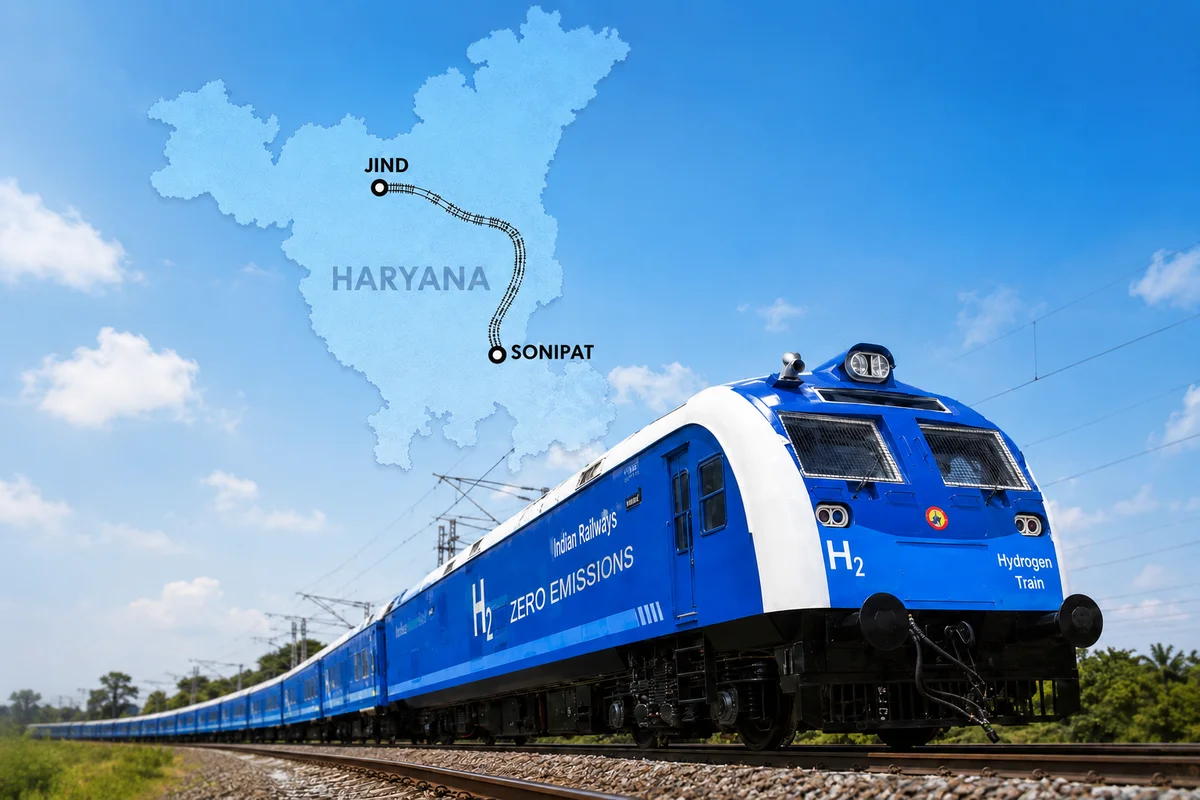
India is set to launch its first hydrogen-powered passenger train on July 17, marking a major milestone in green transportation.

Actor and entrepreneur Vivek Oberoi has revealed that his family office has invested in more than 30 companies, exited 11 investments, and generated...