Loading market data...
Tue, 20 Oct 2026
06:04:44 pm
Tue, 20 Oct 2026
06:04:44 pm
Synopsis
RBI plans polymer ₹10 and ₹20 notes with strict tender conditions. Check the latest on animal fat, China-Pakistan links, companies in the race and field trials.
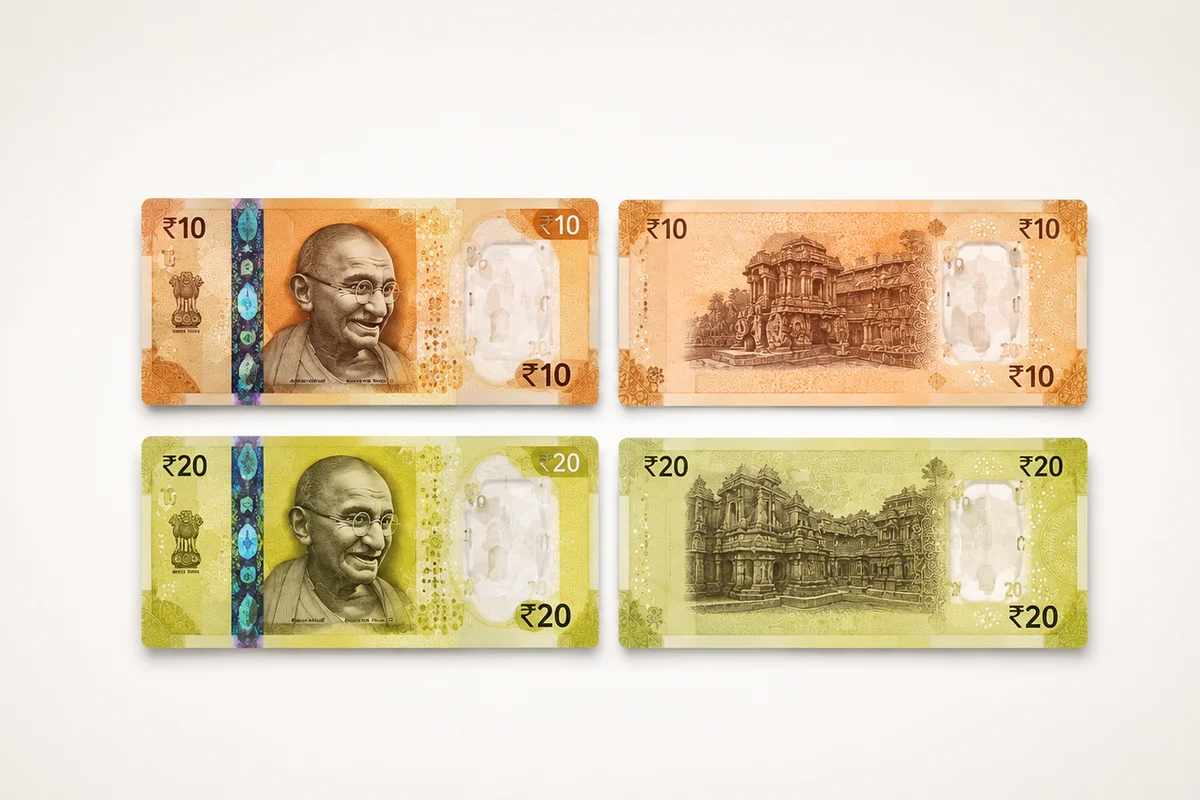
The Reserve Bank of India (RBI) is considering replacing paper with polymer for lower-denomination currency notes such as ₹10 and ₹20. The move is aimed at introducing more durable banknotes, although the plan has not yet been implemented and is currently at the tender, sampling and testing stage.
The RBI's wholly owned subsidiary, Bharatiya Reserve Bank Note Mudran Private Limited (BRBNMPL), has floated a tender for the proposed polymer substrate. According to reports, two foreign companies and one Indian company have submitted bids for the tender.
The tender also includes specific conditions for participating companies, including requirements related to animal-derived materials and their operations in China and Pakistan.
BRBNMPL has placed two key conditions before companies participating in the bidding process.
Companies will have to submit an affidavit certifying that their operations in India are completely separate from activities in China and Pakistan. They will also have to certify that the polymer sheets used for the notes contain no animal fat or animal DNA.
According to reports, BRBNMPL initially requires around 68,000 reams of polymer substrate. Each ream contains 500 sheets of polymer film.
The companies participating in the tender will also have to submit samples. These samples will be tested across different climatic regions in India to assess how durable and suitable the polymer substrate is under different weather conditions.
The tender has attracted both Indian and international companies.
Cosmo First, one of India's largest BOPP (biaxially oriented polypropylene) exporters, has partnered with UK-based De La Rue as its technical partner. De La Rue will provide technology related to security features and polymer substrates.
Australia-based CCL Secure has also submitted a bid. The company provides polymer banknote solutions to more than 40 central banks globally and claims that its polymer substrates can be up to six times more durable than conventional banknotes.
Vietnam-based Q&T Hi-Tech Polymer has also entered the bidding process. The company claims its technology can reduce costs by 78% compared with cotton-based currency.
Polymer notes are considered more durable and stronger than conventional paper currency. They are relatively less affected by water, moisture, dust and dirt, and can have a significantly longer lifespan than traditional paper notes.
Polymer banknotes can also incorporate modern security features, including window transparency technology, which can make counterfeiting more difficult.
Another advantage is that the surface of polymer notes can be relatively easier to clean, making them potentially more suitable for circulation in frequently handled lower-denomination currency.
The proposed polymer notes have not yet been introduced. The process is currently at the tender, sample submission and testing stage.
The samples will be tested across different climatic conditions in India before the suitability of the polymer substrate is assessed. Therefore, the exact timeline for the circulation of polymer ₹10 and ₹20 notes has not been specified in the information available.
The proposed move could mark a significant change in India's currency-printing process, particularly for lower-denomination notes that generally experience frequent handling and circulation.
If the polymer substrate passes the required testing and procurement process, the new notes could offer greater durability and potentially reduce the frequency with which worn-out notes need to be replaced.
For now, however, the focus remains on the tender process, supplier evaluation and testing of polymer substrates under Indian climatic conditions.
The RBI is preparing ₹10 and ₹20 polymer notes for field trials. A fixed nationwide launch date has not been announced yet.
No. Existing paper ₹10 and ₹20 notes will continue to remain legal tender. Polymer notes are being introduced for trials alongside paper notes.
Polymer notes are more durable and better suited to low-denomination notes that are frequently handled and wear out faster.
The RBI plans to conduct field trials of polymer versions of ₹10 and ₹20 notes before deciding on regular issuance.
The polymer substrate suppliers must certify that the material contains no animal tallow or animal DNA.
The tender requires suppliers to ensure that the polymer substrate used for Indian banknotes does not contain animal tallow or its DNA.
Reported bidders include Cosmo First with De La Rue as technical partner, CCL Secure and Q&T Hi-Tech Polymer.
BRBNMPL, the RBI's banknote-printing subsidiary, has invited companies to supply polymer substrate for the proposed banknote trials.
BRBNMPL is Bharatiya Reserve Bank Note Mudran Private Limited, a wholly owned subsidiary of the RBI involved in banknote printing and related currency requirements.
Polymer banknotes are generally more resistant to water, moisture and dirt than conventional paper currency.
Yes. Polymer notes are designed to last substantially longer than conventional paper currency, particularly under heavy circulation.
Polymer banknotes can incorporate advanced security features, although the primary reason for introducing them in the ₹10 and ₹20 denominations is improved durability and longer life.
The government has approved one billion ₹10 notes and one billion ₹20 notes for field trials, making it two billion notes in total.
No such immediate replacement is planned. The current proposal focuses on field trials of polymer ₹10 and ₹20 notes, with paper and polymer notes expected to circulate together.
₹10 and ₹20 notes are frequently used in everyday transactions and therefore experience considerable wear. Polymer's greater durability makes these denominations suitable for initial trials.

Financial journalist specializing in market analysis, stock research, and investment trends. Dedicated to providing accurate, timely insights for informed decision-making.
Credentials: Experienced financial journalist with expertise in equity markets and economic analysis
The information provided in this article is for educational and informational purposes only and should not be construed as financial, investment, or legal advice. welomoney does not provide personalized investment recommendations.
For detailed terms and conditions, please read our Disclaimer and Terms of Service.
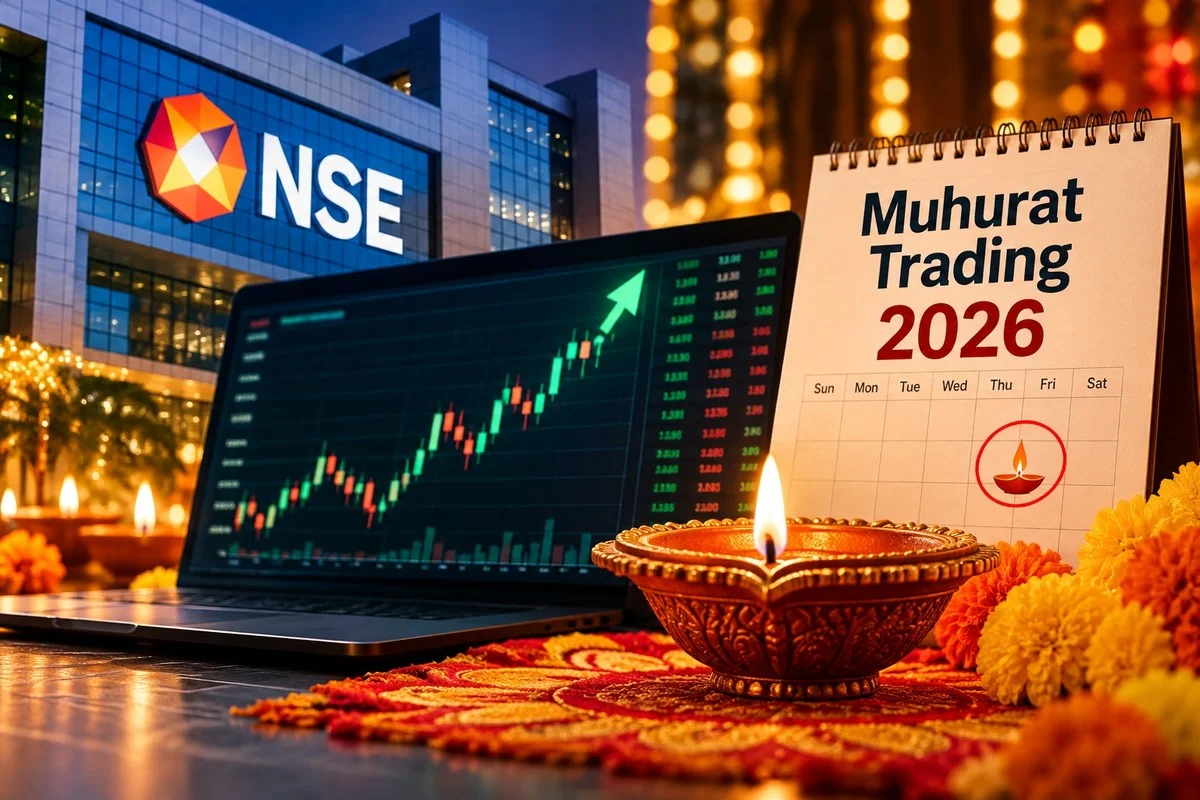
Diwali Muhurat Trading 2026 is scheduled for November 8 from 2:20 PM to 3:30 PM. See NSE and BSE timings, pre-open session and market schedule.
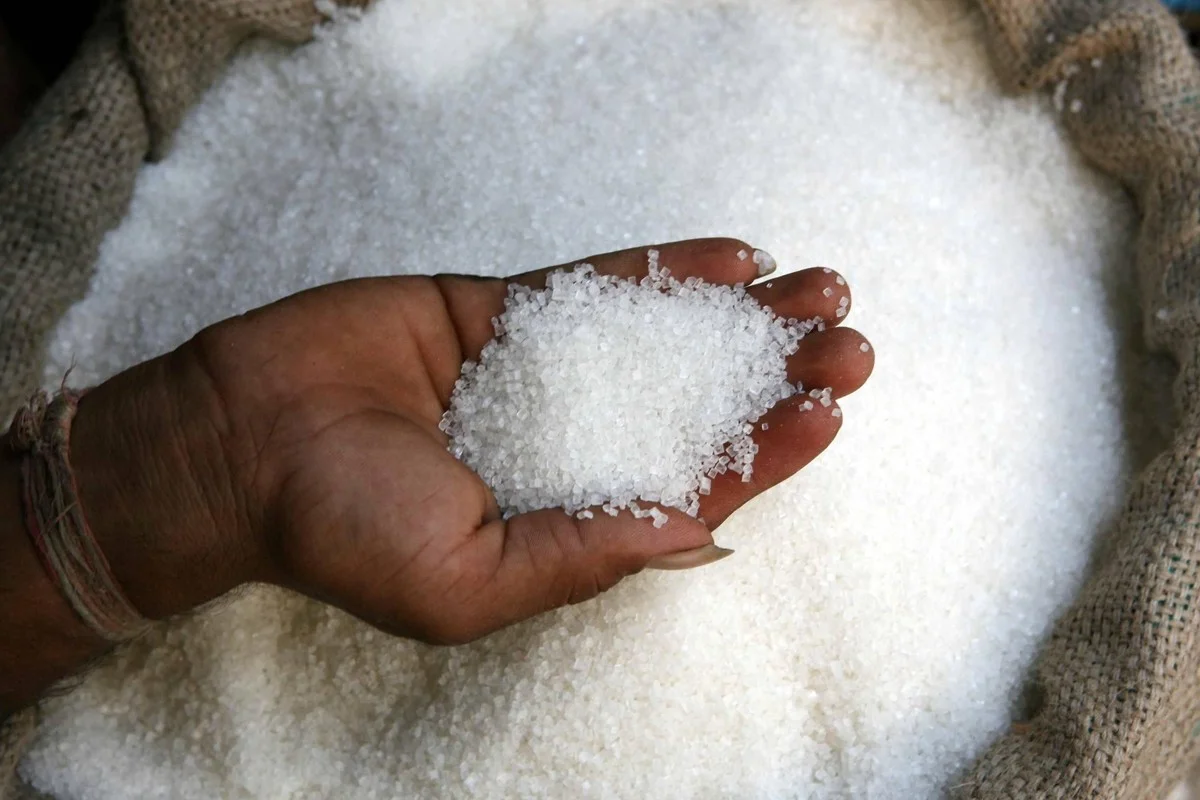
Sugar stocks fell up to 5.79% after the government barred sugarcane juice and syrup for FY27 ethanol procurement. Analysts flag earnings pressure.
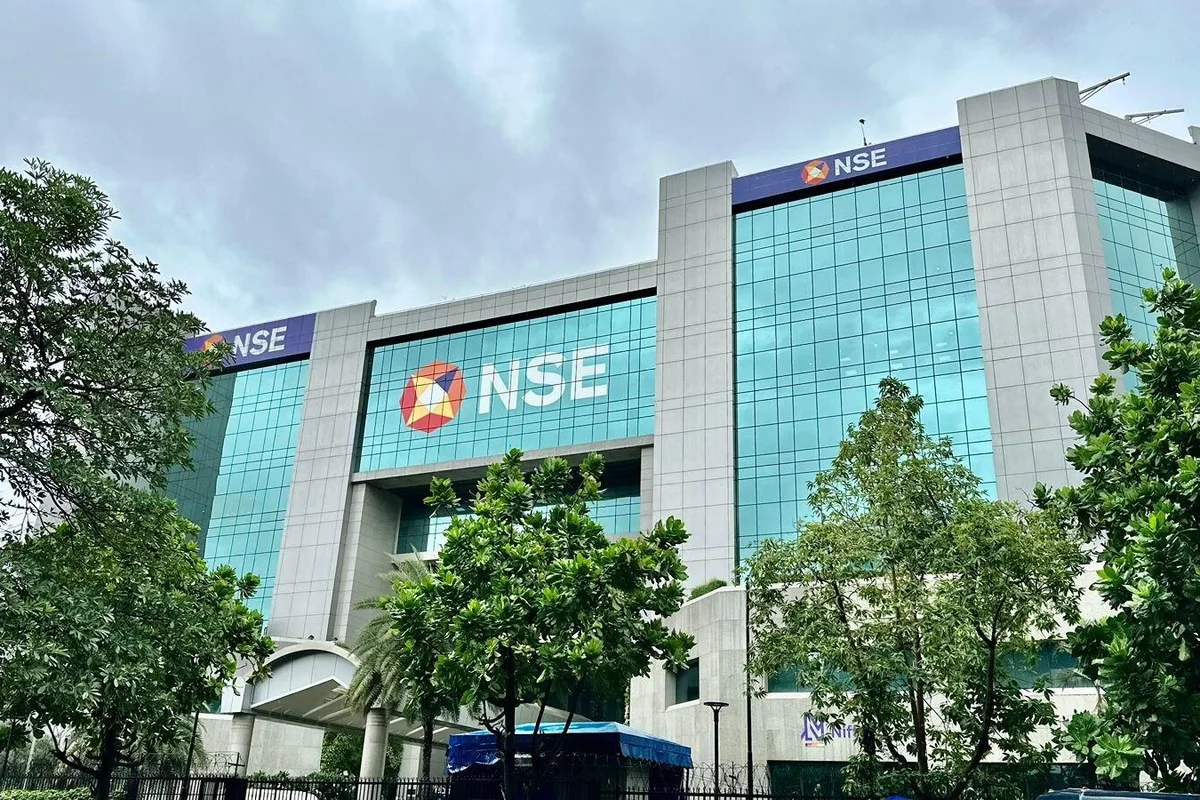
NSE indices on October 16, 2026: Nifty IT rises 3.12%, Nifty 50 gains 0.49%, while Nifty FMCG, Capital Market and Bank indices decline.
India-US trade deal could influence Sensex, Nifty 50 and export stocks. Explore five sectors to watch and the key factors investors should track.
India agricultural growth may approach zero as El Niño threatens crops, with output potentially falling 4%.