Loading market data...
Sun, 19 Jul 2026
04:40:10 am
Sun, 19 Jul 2026
04:40:10 am

Rudransh Sangwan
Published at: March 30, 2026, 3:40 PM
Synopsis
PM Modi inaugurates ₹3,300 crore semiconductor plant in Gujarat and launches ₹20,000 crore infrastructure projects, boosting India’s chip ecosystem and growth.
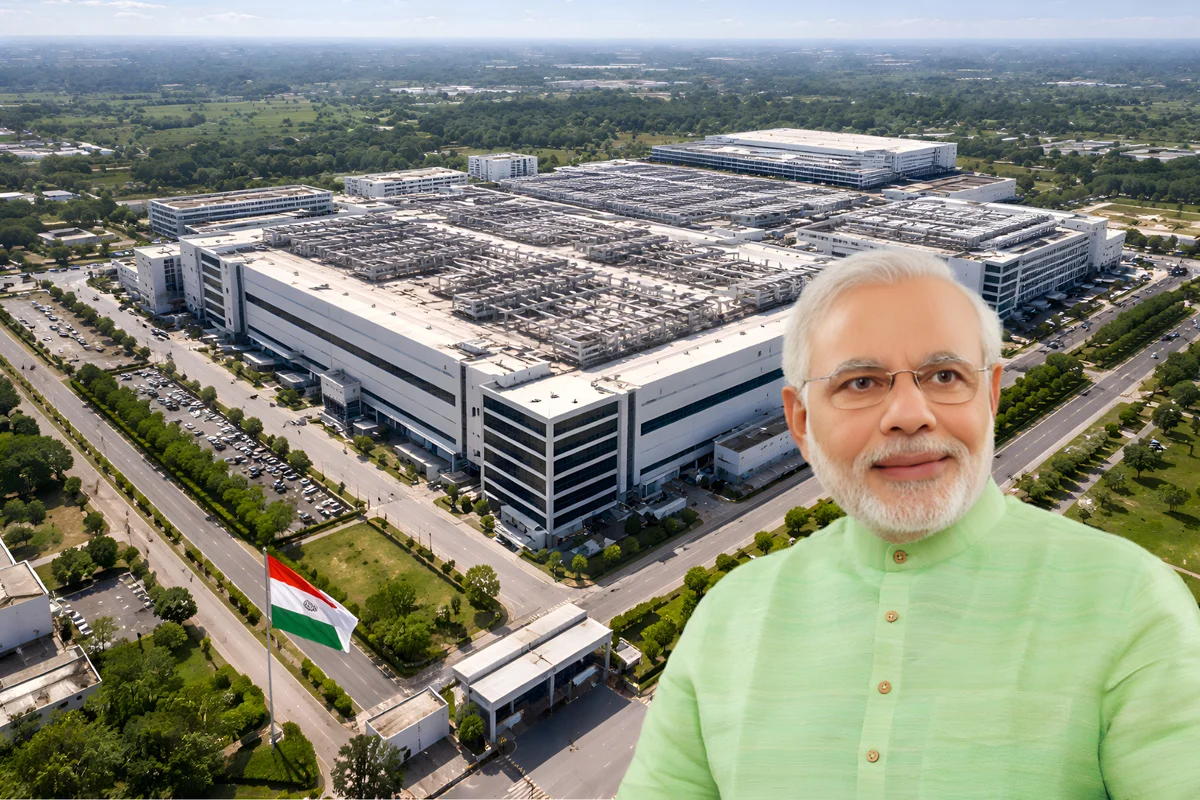
India’s semiconductor journey is moving from policy announcements to real production on the ground. The inauguration of the ₹3,300 crore Kaynes Semicon plant in Sanand marks a critical shift in the country’s high-tech ambitions. This is not just another project. It represents India’s entry into advanced chip packaging and testing at scale.
The facility will begin commercial production immediately, making it one of the first operational semiconductor units under the India Semiconductor Mission. It focuses on OSAT and ATMP processes, which are essential stages in the chip manufacturing chain.
For example, industries like electric vehicles, telecom, and consumer electronics rely on these backend processes before chips reach the market. Without them, the semiconductor ecosystem remains incomplete.
The takeaway is simple. India is no longer just designing chips. It is building real manufacturing capability that supports global supply chains and reduces import dependency.
The Kaynes Semicon facility in Sanand is a major milestone for India’s semiconductor ecosystem. Built with an investment of around ₹3,300 crore, the plant will produce millions of chips daily once fully scaled.
The plant specializes in manufacturing Intelligent Power Modules, which are critical for efficient power control in industrial and automotive applications. Each module integrates multiple chips, making them highly valuable in modern electronics.
Another key aspect is its global linkage. The chips produced here will be supplied to international companies like Alpha and Omega Semiconductor, directly connecting India to the global semiconductor supply chain.
This is not just domestic production. It is export-ready, high-value manufacturing.
The practical takeaway is that India is now participating in the global chip value chain, not just consuming it.
The India Semiconductor Mission is designed to build a complete chip ecosystem, from design to manufacturing. The Kaynes plant is one of the first projects to move into commercial production under this initiative.
It is also the second operational semiconductor unit after Micron Technology’s facility, showing rapid progress in execution.
The mission provides incentives, infrastructure support, and policy stability to attract investments. It also encourages Indian companies to enter semiconductor manufacturing, which has traditionally been dominated by global giants.
This project demonstrates that the mission is delivering real outcomes, not just policy frameworks.
The takeaway is that India is building a long-term semiconductor strategy focused on self-reliance and global competitiveness.
Alongside the semiconductor launch, the government is rolling out infrastructure projects worth over ₹20,000 crore across Gujarat. These projects span transport, power, healthcare, railways, and urban development.
This multi-sector investment is designed to boost economic activity, improve connectivity, and enhance quality of life. Gujarat continues to emerge as a preferred destination for large-scale industrial investments.
For example, better highways reduce logistics costs, while improved healthcare infrastructure supports both workforce and communities.
The key takeaway is that infrastructure acts as a multiplier, accelerating industrial growth and investment inflows.
One of the flagship developments is the Ahmedabad-Dholera Expressway, built at a cost of over ₹5,000 crore. This expressway will significantly reduce travel time and support industrial expansion in the Dholera region.
Railway upgrades, including doubling and gauge conversion projects, will improve freight movement and passenger connectivity. These upgrades reduce congestion and increase efficiency across the network.
Power sector projects, including renewable energy transmission systems, will strengthen electricity infrastructure and support industrial demand.
These combined efforts create a robust ecosystem where industries can operate efficiently and scale quickly.
The takeaway is that infrastructure is not just support. It is the backbone of economic expansion.
The government is also focusing on urban and social infrastructure. Over 40 urban development projects are being launched to improve city living conditions and public services.
Healthcare initiatives include new facilities and large accommodation units at major hospitals in Ahmedabad and Gandhinagar. These projects aim to enhance healthcare accessibility.
Rural and tribal development projects focus on improving connectivity, water supply, and basic infrastructure in underserved regions.
This balanced approach ensures that growth is not limited to cities but reaches rural populations as well.
The takeaway is that development is becoming more inclusive, covering both economic and social sectors.
Gujarat is rapidly emerging as the center of India’s semiconductor and electronics manufacturing push. With projects in Sanand and Dholera, the state is building a strong industrial ecosystem.
The presence of multiple semiconductor facilities, including Micron and Kaynes, creates a cluster effect. This attracts suppliers, talent, and global partnerships.
For example, Sanand is evolving into a chip packaging hub, while Dholera is being developed as a future-ready industrial region.
The takeaway is that Gujarat is positioning itself as India’s semiconductor capital.
Gujarat offers several advantages that attract investors. These include strong infrastructure, policy stability, and ease of doing business.
The state also provides access to ports, highways, and industrial zones, reducing logistics costs. This makes it highly competitive compared to other regions.
Additionally, government support through initiatives like Make in India and Aatmanirbhar Bharat further strengthens investor confidence.
This combination of factors creates a favorable environment for large-scale manufacturing projects.
The takeaway is that Gujarat offers both infrastructure and policy support needed for sustained industrial growth.
Large-scale projects like these generate significant employment opportunities. The semiconductor plant alone is expected to create thousands of direct and indirect jobs.
Infrastructure projects also create jobs in construction, services, and logistics. This leads to higher income levels and improved living standards.
Additionally, local supply chains benefit from increased demand for materials, services, and technology.
This creates a ripple effect across the economy, boosting multiple sectors simultaneously.
The takeaway is that semiconductor and infrastructure investments drive both job creation and long-term economic growth.
The visit also includes the inauguration of the Samrat Samprati Museum in Gandhinagar on the occasion of Mahavir Jayanti.
The museum showcases the history and cultural legacy of Jainism through rare artifacts, manuscripts, and exhibits. It combines traditional displays with modern digital experiences.
Tourism projects such as light and sound shows at heritage sites like Rani ki Vav and developments in Vadnagar are also part of the initiative.
These projects enhance Gujarat’s tourism appeal while preserving cultural heritage.
The takeaway is that development is not limited to industry. It also includes culture, tourism, and heritage.
Tourism projects generate revenue and create employment in sectors like hospitality, transport, and local businesses.
Improved infrastructure at heritage sites attracts more visitors and encourages longer stays. This directly benefits local economies.
For example, enhanced visitor experiences at historical sites can significantly increase tourist footfall.
This diversification strengthens the overall economy and reduces dependence on a single sector.
The takeaway is that tourism complements industrial growth and creates additional economic opportunities.
The combination of semiconductor manufacturing and large-scale infrastructure investment signals a major shift in India’s growth strategy. The country is focusing on technology, self-reliance, and global competitiveness.
With projects like the Kaynes Semicon plant, India is strengthening its position in the global semiconductor supply chain. At the same time, infrastructure development ensures that industries have the support they need to grow.
For businesses, this creates new opportunities across manufacturing, logistics, and technology sectors.
The takeaway is clear. India is building a future driven by innovation, infrastructure, and strategic investments.
Financial journalist specializing in market analysis, stock research, and investment trends. Dedicated to providing accurate, timely insights for informed decision-making.
Credentials: Experienced financial journalist with expertise in equity markets and economic analysis
The information provided in this article is for educational and informational purposes only and should not be construed as financial, investment, or legal advice. welomoney does not provide personalized investment recommendations.
For detailed terms and conditions, please read our Disclaimer and Terms of Service.

India has reportedly signed a $1.2 billion deal to acquire 300 Russian R-37M 'AWACS Killer' missiles for Su-30MKI fighter jets.

Royal Enfield launches the Shotgun 650 Limited Edition at ₹5.75 lakh in collaboration with Rough Crafts.
Q1 FY27 earnings season gathers pace as Reliance Industries, JSW Steel, Federal Bank, Havells, Tata Technologies and nearly 30 companies announce...
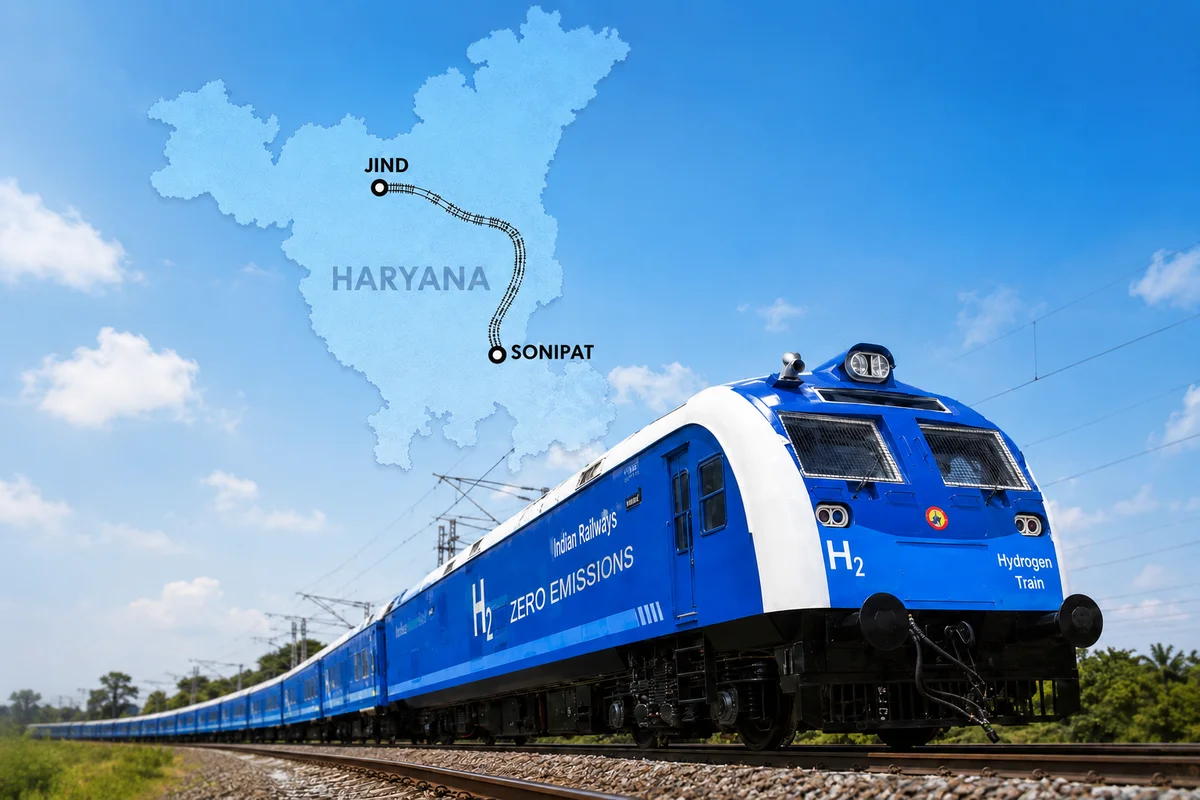
India is set to launch its first hydrogen-powered passenger train on July 17, marking a major milestone in green transportation.

Actor and entrepreneur Vivek Oberoi has revealed that his family office has invested in more than 30 companies, exited 11 investments, and generated...