Loading market data...
Sun, 19 Jul 2026
03:22:18 am
Sun, 19 Jul 2026
03:22:18 am

Rudransh Sangwan
Published at: March 30, 2026, 7:06 AM
Synopsis
₹7 lakh crore wiped out as Sensex crashes over 1,100 points. Oil spike, FII selling, and global risks drive market fall.
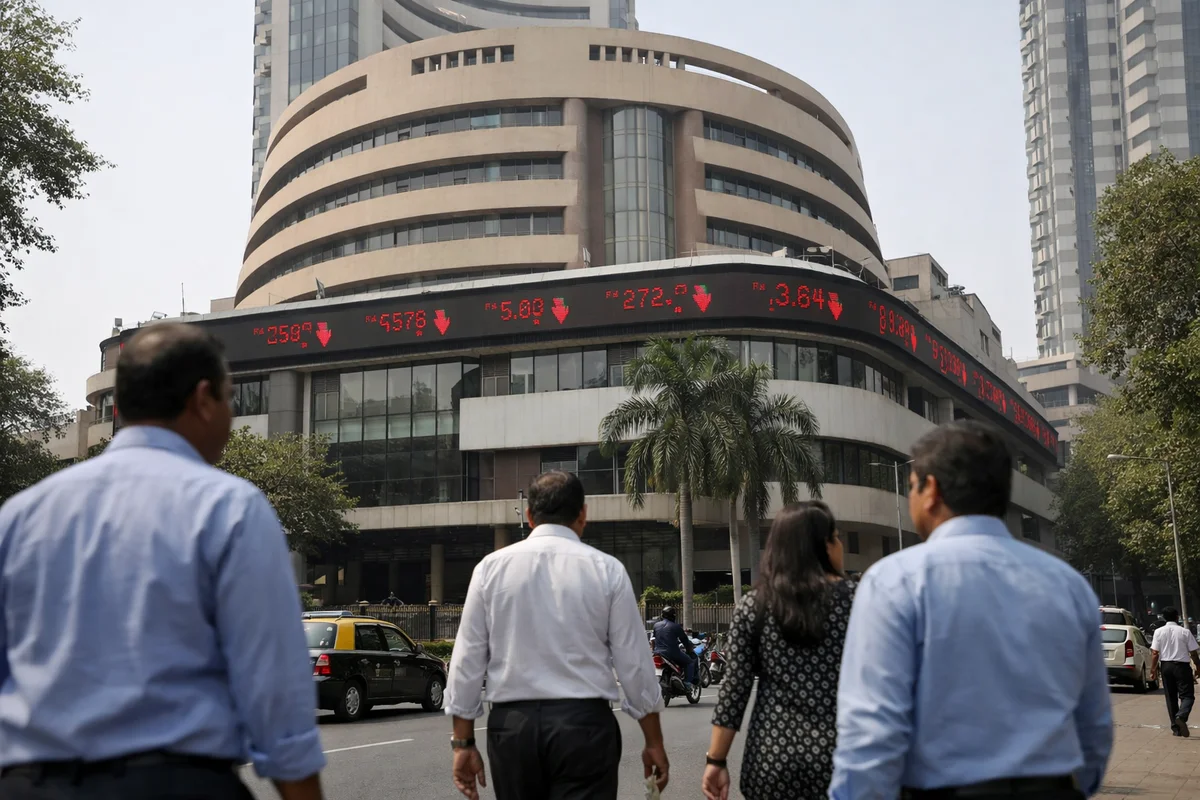
Indian stock markets witnessed a sharp sell-off, with investor wealth worth nearly ₹7 lakh crore wiped out in a single session. The Sensex plunged over 1,100 points, while the Nifty slipped below the crucial 22,500 mark, reflecting deep market stress.
This crash was not triggered by a single event but by a combination of global and domestic factors hitting markets simultaneously. The selloff was broad-based, with banking, financial, and large-cap stocks leading the decline.
Rising global uncertainty has pushed investors toward safer assets, reducing risk appetite for equities. Emerging markets like India are often the first to see capital outflows during such phases.
The key takeaway is clear. This is not a stock-specific correction but a macro-driven market crash influenced by global risks, policy actions, and investor sentiment.
The most critical factor behind the crash is the sharp rise in crude oil prices.
Brent crude prices surged close to $120 per barrel amid escalating Middle East tensions.
For India, this creates a major problem:
Higher oil prices act as a “double shock” by raising costs for both consumers and businesses.
Rising crude prices signal potential economic slowdown and higher inflation.
This leads to:
The takeaway is clear. Oil price spikes are one of the most powerful triggers for market corrections in India.
The ongoing conflict involving Iran, the US, and Israel has significantly increased global uncertainty.
Geopolitical tensions create uncertainty in:
Investors tend to reduce exposure to risky assets like equities during such periods.
Markets are pricing in the possibility of:
This fear has accelerated selling across global markets, including India.
The takeaway is risk aversion. Markets react quickly to uncertainty, often leading to sharp corrections.
Foreign Institutional Investors have been aggressively selling Indian equities.
Recent trends show significant capital outflows as global investors shift toward safer assets.
When FIIs sell:
This selling has played a major role in amplifying the market crash.
The takeaway is liquidity pressure. FII activity remains a key driver of short-term market movements.
Another contributing factor is regulatory and policy-related developments.
Recent steps by the Reserve Bank of India to manage currency volatility have impacted financial markets.
These include:
Banking and financial stocks have been among the worst hit:
This has dragged the overall market lower.
The takeaway is sector impact. Policy actions can indirectly influence market direction.
Indian markets are not operating in isolation. Global cues are playing a major role.
Stock markets across regions have been under pressure due to:
This has created a synchronized global selloff.
When global markets fall:
The takeaway is global linkage. Indian markets are closely tied to international trends.
Such market corrections can be alarming, but they also offer important lessons.
Market crashes are often driven by:
Strong companies may still remain fundamentally sound despite price declines.
Investors can use such phases to:
However, caution and risk management are essential.
The takeaway is perspective. Market crashes are part of investment cycles.
The ₹7 lakh crore wipeout highlights how interconnected global and domestic factors can trigger sharp market movements.
From oil price spikes to geopolitical tensions and FII outflows, multiple risks have converged to create a perfect storm for equities.
While the near-term outlook remains volatile, such phases are not uncommon in financial markets.
For investors, staying informed, disciplined, and focused on long-term strategies is the key to navigating such turbulent times.
Financial journalist specializing in market analysis, stock research, and investment trends. Dedicated to providing accurate, timely insights for informed decision-making.
Credentials: Experienced financial journalist with expertise in equity markets and economic analysis
The information provided in this article is for educational and informational purposes only and should not be construed as financial, investment, or legal advice. welomoney does not provide personalized investment recommendations.
For detailed terms and conditions, please read our Disclaimer and Terms of Service.
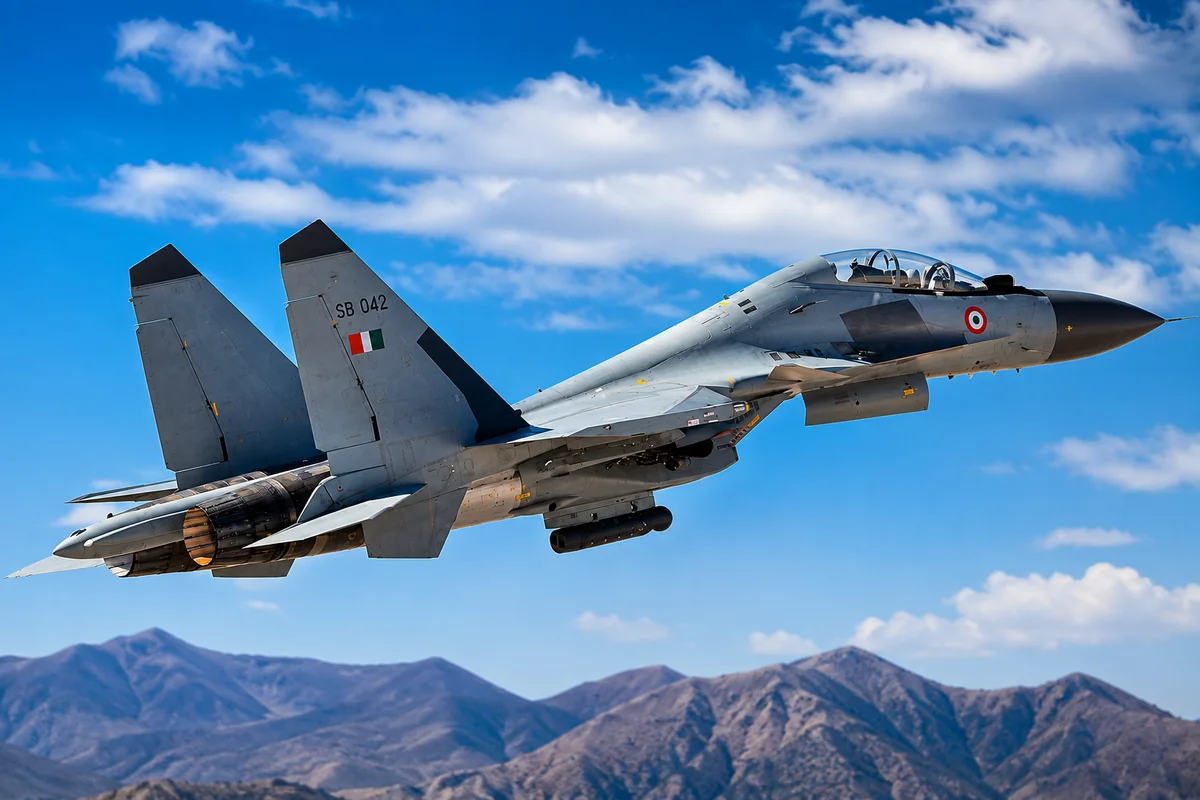
India has reportedly signed a $1.2 billion deal to acquire 300 Russian R-37M 'AWACS Killer' missiles for Su-30MKI fighter jets.

Royal Enfield launches the Shotgun 650 Limited Edition at ₹5.75 lakh in collaboration with Rough Crafts.
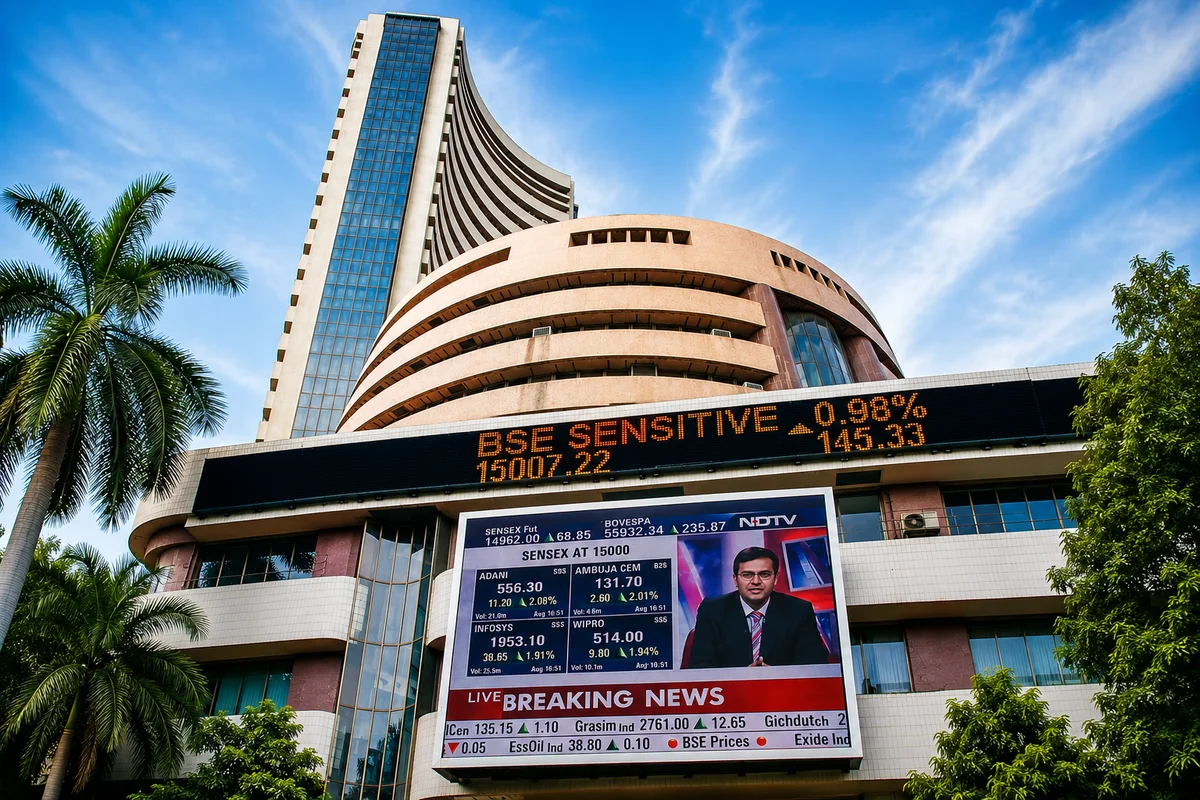
Q1 FY27 earnings season gathers pace as Reliance Industries, JSW Steel, Federal Bank, Havells, Tata Technologies and nearly 30 companies announce...
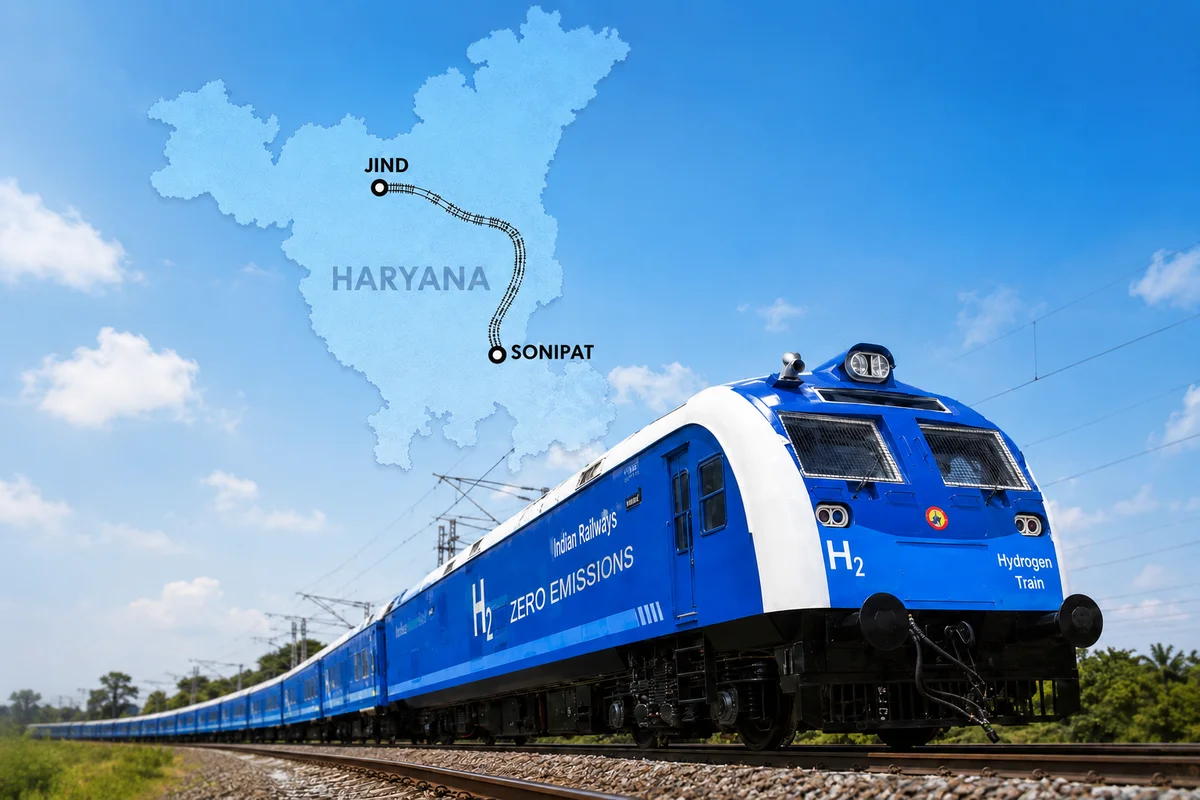
India is set to launch its first hydrogen-powered passenger train on July 17, marking a major milestone in green transportation.

Actor and entrepreneur Vivek Oberoi has revealed that his family office has invested in more than 30 companies, exited 11 investments, and generated...