Loading market data...
Wed, 02 Sept 2026
05:02:34 am
Wed, 02 Sept 2026
05:02:34 am
Synopsis
NHAI mandates 100% digital toll payments from April 1. FASTag and UPI become mandatory. Here’s what it means for highway users in India.
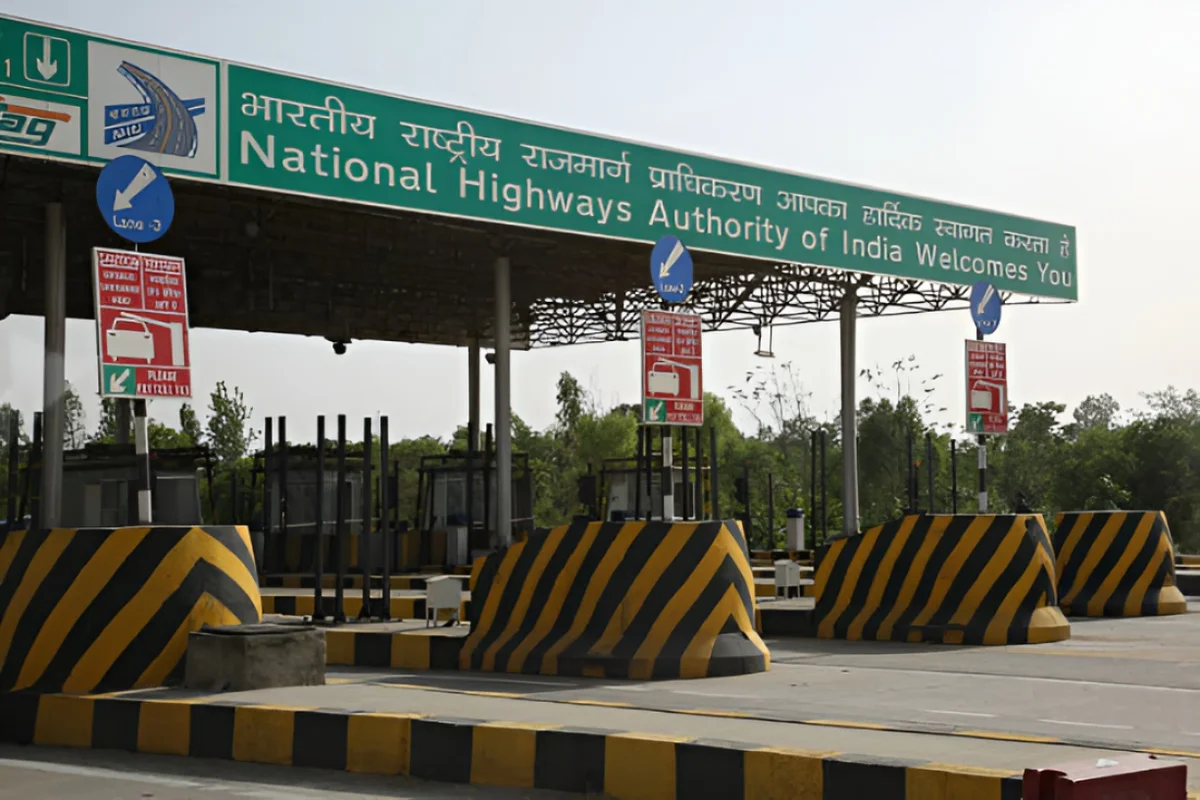
India’s highway system is undergoing a major transformation as the National Highways Authority of India moves toward a completely cashless toll collection system. From April 1, toll plazas across the country are shifting to 100% digital payments, eliminating cash transactions entirely.
This decision is aimed at improving efficiency, reducing congestion, and modernizing toll collection. Long queues at toll booths caused by cash payments have been a major issue for years.
By moving to digital systems, authorities aim to create seamless traffic flow and reduce waiting time for commuters.
The key takeaway is clear. This is not just a policy change, but a step toward a faster and more efficient highway ecosystem.
Under the new rules, all toll payments must be made digitally using FASTag or UPI. Cash will no longer be accepted at toll plazas across national highways.
This applies to:
If a vehicle does not have a functional FASTag or digital payment option, it may face penalties or restrictions at toll booths.
For example, earlier systems allowed fallback cash payments, but now users must ensure their digital payment methods are active and funded.
The takeaway is simple. Digital readiness is now mandatory for all highway users.
FASTag remains the primary mode of toll payment, using RFID technology to automatically deduct charges from a linked account as vehicles pass through toll gates.
UPI has also been integrated as an alternative payment option, allowing real-time payments through mobile apps.
Together, these systems enable:
For example, vehicles with active FASTag can pass through toll plazas without stopping, significantly improving travel time.
The takeaway is that digital payments are now central to India’s highway infrastructure.
One of the biggest benefits of eliminating cash is the reduction in congestion at toll plazas. Cash transactions take longer, leading to delays and traffic buildup.
With digital payments:
For instance, highways with high traffic volumes will see smoother flow, especially during peak travel hours.
This also improves overall road efficiency and reduces travel stress for commuters.
The takeaway is that digital tolling directly enhances travel experience.
This move further strengthens India’s digital payment ecosystem by increasing reliance on platforms like UPI.
With millions of daily highway users shifting to digital payments:
For example, users who previously relied on cash will now need to adopt digital payment methods, accelerating digital adoption.
The takeaway is that this policy supports the broader push toward a cashless economy.
While the move brings many benefits, it also creates challenges, especially during the transition phase.
Key concerns include:
For example, if FASTag does not have sufficient balance, users may face delays or fines.
Additionally, recent UPI outages highlight the importance of having reliable backup payment options.
The takeaway is that while digital is efficient, reliability must improve to ensure smooth implementation.
To avoid inconvenience, users should prepare for the new system before traveling.
Key steps:
For example, topping up FASTag before long journeys can prevent delays at toll plazas.
The takeaway is that preparation is essential for a hassle-free experience.
The shift to fully digital toll payments marks a significant milestone in India’s infrastructure development. It reflects the government’s commitment to modernizing transport systems and integrating technology into everyday travel.
In the long term, this move is expected to:
It also aligns with India’s broader vision of becoming a digitally driven economy.
The final takeaway is clear. Cashless toll plazas are not just a convenience upgrade, but a foundational step toward smarter and more connected transportation systems.

Financial journalist specializing in market analysis, stock research, and investment trends. Dedicated to providing accurate, timely insights for informed decision-making.
Credentials: Experienced financial journalist with expertise in equity markets and economic analysis
The information provided in this article is for educational and informational purposes only and should not be construed as financial, investment, or legal advice. welomoney does not provide personalized investment recommendations.
For detailed terms and conditions, please read our Disclaimer and Terms of Service.

Oracle layoffs 2026: Employees brace for possible September 1 job cuts after 21,000 layoffs.
Mumbai warehouse raid uncovers tampered food labels on popular packaged food products, raising fresh concerns over food safety and export supply...

RBI plans polymer ₹10 and ₹20 notes with strict tender conditions. Check the latest on animal fat, China-Pakistan links, companies in the race and...
Indian stock markets fell on August 31, 2026, as renewed West Asia tensions pushed crude oil prices higher.

Indian stock market today saw sharp movements across key sectors, with major gainers and losers driving notable volatility on the NSE.