Loading market data...
Sun, 19 Jul 2026
03:17:16 am
Sun, 19 Jul 2026
03:17:16 am

Rudransh Sangwan
Published at: March 28, 2026, 3:34 PM
Synopsis
NSE and BSE will remain closed for 4 days next week due to holidays and weekends. Check full list and plan your trades smartly.
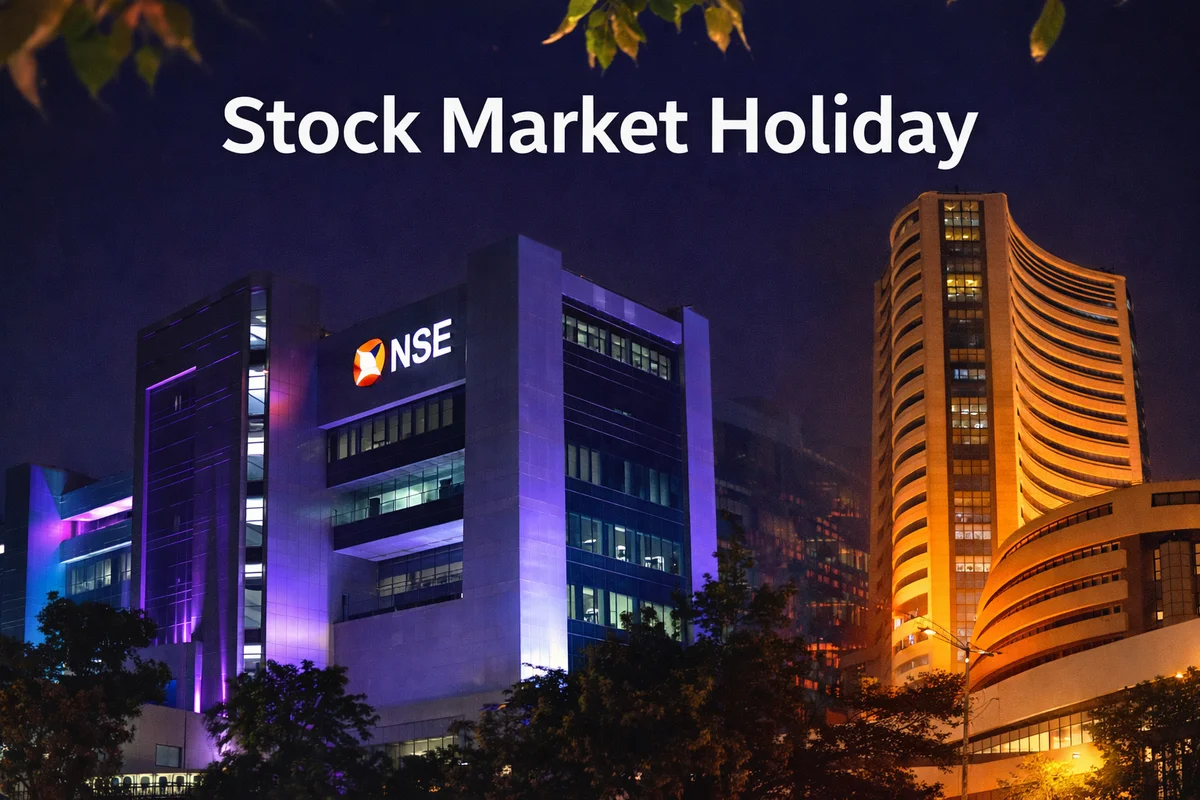
Indian stock markets are heading into a shortened trading week, with NSE and BSE set to remain closed for four days due to a mix of official holidays and weekends. This kind of schedule is important for traders because it reduces active trading sessions and can increase volatility.
Stock markets in India normally operate from Monday to Friday, staying closed on weekends. However, when public holidays fall within the week, the number of non-trading days rises significantly.
In the upcoming week, two major holidays combined with the weekend will lead to only three active trading sessions. This creates a compressed trading window for investors.
The key takeaway is simple. Fewer trading days often mean sharper price movements and the need for better planning, especially for short-term traders.
Here is the complete breakdown of market closures for the upcoming week:
On these days, both NSE and BSE will remain completely closed across equity, derivatives, and currency segments.
Since markets are always closed on weekends, these add to the total count of non-trading days.
This brings the total to 4 market holidays in one week, making it a short trading cycle.
Holiday weeks often behave differently compared to regular trading weeks.
With fewer trading sessions:
Traders may exit positions early to avoid holding risk over long non-trading periods.
Short weeks can impact:
Even a single missed session can change short-term trading setups.
The takeaway is preparation. Traders must adjust strategies to account for fewer sessions and unpredictable moves.
The market has already seen disruption due to an earlier holiday:
This means the broader period around month-end has multiple breaks, making trading fragmented.
Such clustering of holidays reduces continuous market momentum and creates gaps between trading sessions.
Holiday-heavy weeks require a more cautious and strategic approach.
Global developments continue even when Indian markets are closed, which can lead to sudden moves when trading resumes.
Even with fewer trading days, opportunities exist:
However, risk management becomes even more important during such periods.
The takeaway is balance. Stay cautious but ready to act when opportunities arise.
The upcoming week will see NSE and BSE closed for four days due to Mahavir Jayanti, Good Friday, and the weekend.
For investors, this means a shorter trading window, possible volatility spikes, and the need for careful planning.
Understanding the trading calendar is essential for making informed decisions and avoiding unexpected disruptions in the market.
Financial journalist specializing in market analysis, stock research, and investment trends. Dedicated to providing accurate, timely insights for informed decision-making.
Credentials: Experienced financial journalist with expertise in equity markets and economic analysis
The information provided in this article is for educational and informational purposes only and should not be construed as financial, investment, or legal advice. welomoney does not provide personalized investment recommendations.
For detailed terms and conditions, please read our Disclaimer and Terms of Service.

India has reportedly signed a $1.2 billion deal to acquire 300 Russian R-37M 'AWACS Killer' missiles for Su-30MKI fighter jets.

Royal Enfield launches the Shotgun 650 Limited Edition at ₹5.75 lakh in collaboration with Rough Crafts.
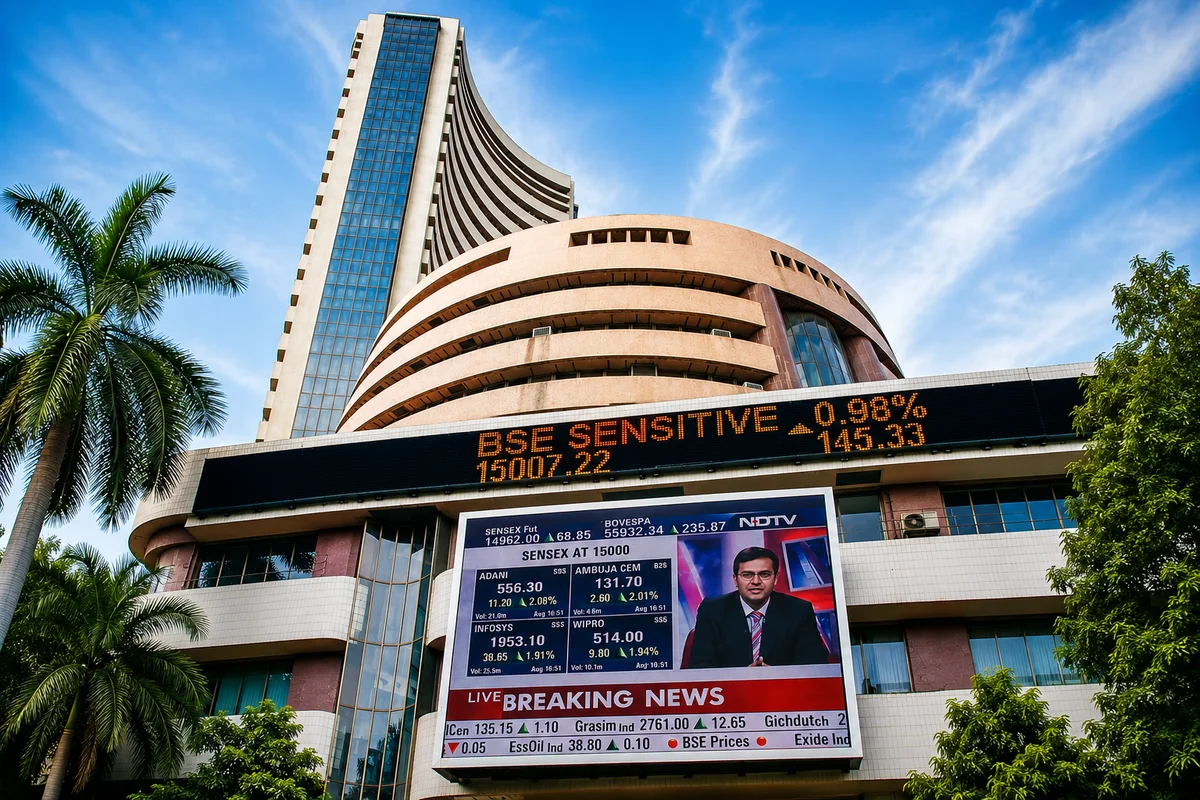
Q1 FY27 earnings season gathers pace as Reliance Industries, JSW Steel, Federal Bank, Havells, Tata Technologies and nearly 30 companies announce...
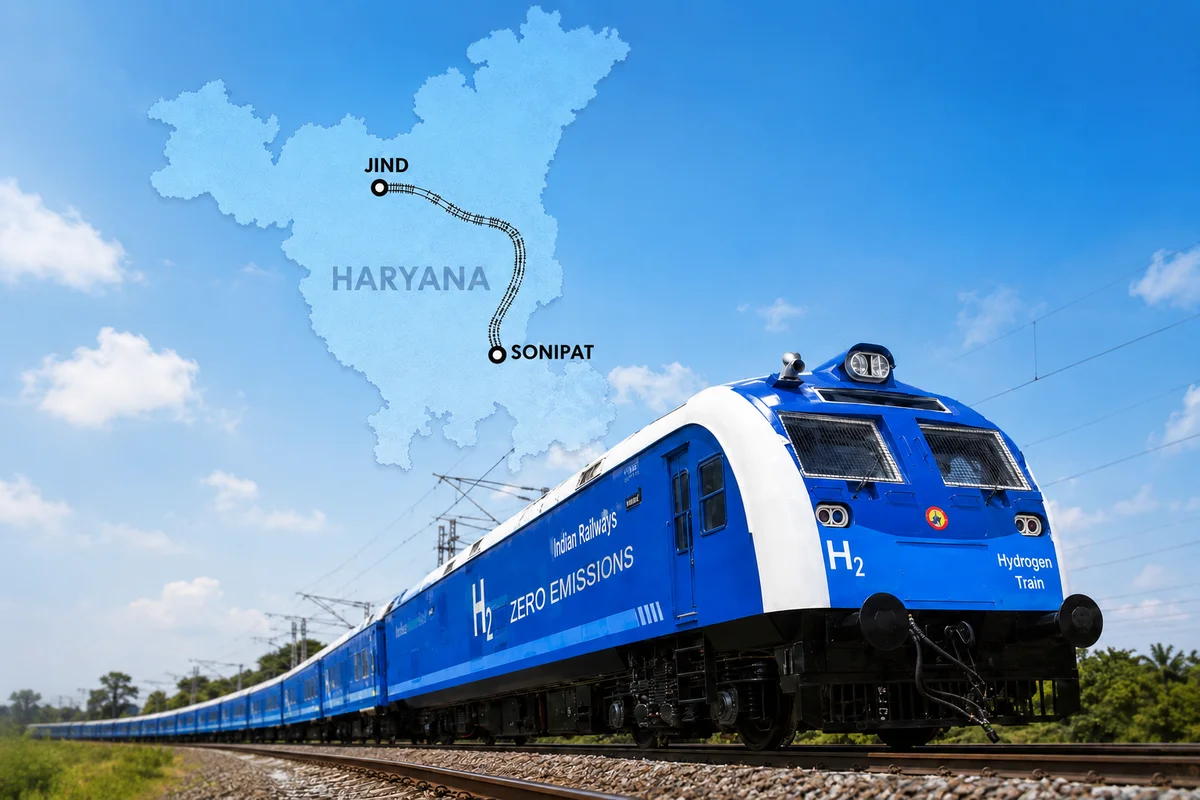
India is set to launch its first hydrogen-powered passenger train on July 17, marking a major milestone in green transportation.

Actor and entrepreneur Vivek Oberoi has revealed that his family office has invested in more than 30 companies, exited 11 investments, and generated...