Loading market data...
Sun, 19 Jul 2026
03:23:13 am
Sun, 19 Jul 2026
03:23:13 am
Synopsis
Sensex crashes over 1,000 points wiping ₹5 lakh crore. Discover key reasons behind the fall and what investors should do next.

The Indian stock market crash today shocked investors as the BSE Sensex plunged over 1,000 points while the Nifty 50 slipped close to the crucial 23,000 level. This sudden fall wiped out nearly ₹5 lakh crore in market capitalization, highlighting the fragile sentiment on Dalal Street.
The decline came right after a strong rally, indicating that profit booking and weak global cues quickly reversed momentum. But this is not just a routine correction. Multiple macroeconomic and geopolitical factors have combined to create pressure across sectors.
Broad-based selling was visible across PSU banks, auto, and realty stocks, while only a few defensive sectors like IT showed resilience.
For investors, this kind of sharp correction raises one key question. Is this just a temporary dip or the beginning of a deeper market correction?
The practical takeaway is to stay calm. Market falls are often driven by external triggers, not just company fundamentals.
The stock market crash India today is not due to a single reason. It is a mix of global and domestic pressures hitting simultaneously.
One of the biggest triggers is the Indian rupee falling to a record low, crossing the 94 per US dollar mark.
A weak rupee increases import costs, especially for crude oil, and raises inflation concerns. It also signals foreign investors pulling money out of the country.
This directly impacts market sentiment because currency weakness often leads to reduced confidence in emerging markets like India.
The ongoing US Iran conflict has significantly shaken global markets.
Geopolitical tensions increase uncertainty, and investors tend to move away from risky assets like equities. This creates a risk-off environment globally.
For India, the impact is even stronger due to its dependence on oil imports and global trade flows.
Crude oil prices have surged and are holding above the $100 mark, adding pressure on the Indian economy.
Higher oil prices increase inflation, widen the fiscal deficit, and reduce corporate profitability.
This makes investors cautious, especially in sectors like aviation, logistics, and manufacturing.
Foreign Institutional Investors, or FIIs, have been consistently selling Indian equities.
This continuous outflow reduces liquidity and adds downward pressure on stock prices. When FIIs sell heavily, markets tend to fall sharply due to large volumes.
US bond yields have risen significantly, making fixed-income investments more attractive compared to equities.
This shift in capital allocation leads to money moving out of emerging markets like India and into safer assets like US bonds.
The result is lower equity demand and falling stock prices.
Weakness in global markets, including the US and Asia, has also contributed to the sell-off.
When global markets fall, Indian markets rarely remain unaffected. This interconnected nature of financial markets amplifies volatility.
The takeaway is clear. Market crashes are usually multi-factor events, not isolated incidents.
The current stock market volatility India is not limited to a few stocks. It is broad-based and affects multiple sectors.
PSU banks, auto, and realty sectors have seen significant declines.
These sectors are highly sensitive to economic cycles, interest rates, and liquidity conditions. When uncertainty rises, these sectors tend to fall first.
Heavyweight stocks like banking and infrastructure companies have also dragged the indices lower.
Interestingly, IT stocks have shown some resilience during the crash.
A weaker rupee actually benefits IT companies because they earn in dollars while their costs are largely in rupees.
This acts as a natural hedge and supports stock prices in the IT sector.
For investors, this highlights the importance of diversification across sectors.
The equity market correction India is a reminder that markets are influenced by global events as much as domestic factors.
Short-term volatility may continue if geopolitical tensions and oil prices remain elevated. Analysts are also watching key support levels around 22,900 to 23,000 for the Nifty.
Market crashes often trigger panic selling, but that is usually the wrong move.
Instead, investors should:
Corrections are a natural part of market cycles and often create buying opportunities.
Investors should closely monitor:
These factors will largely determine the next market direction.
The takeaway is discipline. Smart investors use volatility as an opportunity, not a threat.
The recent fall in the Sensex and Nifty is a classic example of how global events, currency movements, and investor sentiment can combine to create sharp market swings.
While ₹5 lakh crore being wiped out sounds alarming, such corrections are not unusual in volatile times.
What matters is how investors respond. Staying informed, avoiding panic, and focusing on long-term goals can make all the difference.
Markets will recover over time, but only those who stay patient will benefit the most.

Financial journalist specializing in market analysis, stock research, and investment trends. Dedicated to providing accurate, timely insights for informed decision-making.
Credentials: Experienced financial journalist with expertise in equity markets and economic analysis
The information provided in this article is for educational and informational purposes only and should not be construed as financial, investment, or legal advice. welomoney does not provide personalized investment recommendations.
For detailed terms and conditions, please read our Disclaimer and Terms of Service.
No related topics available

India has reportedly signed a $1.2 billion deal to acquire 300 Russian R-37M 'AWACS Killer' missiles for Su-30MKI fighter jets.

Royal Enfield launches the Shotgun 650 Limited Edition at ₹5.75 lakh in collaboration with Rough Crafts.
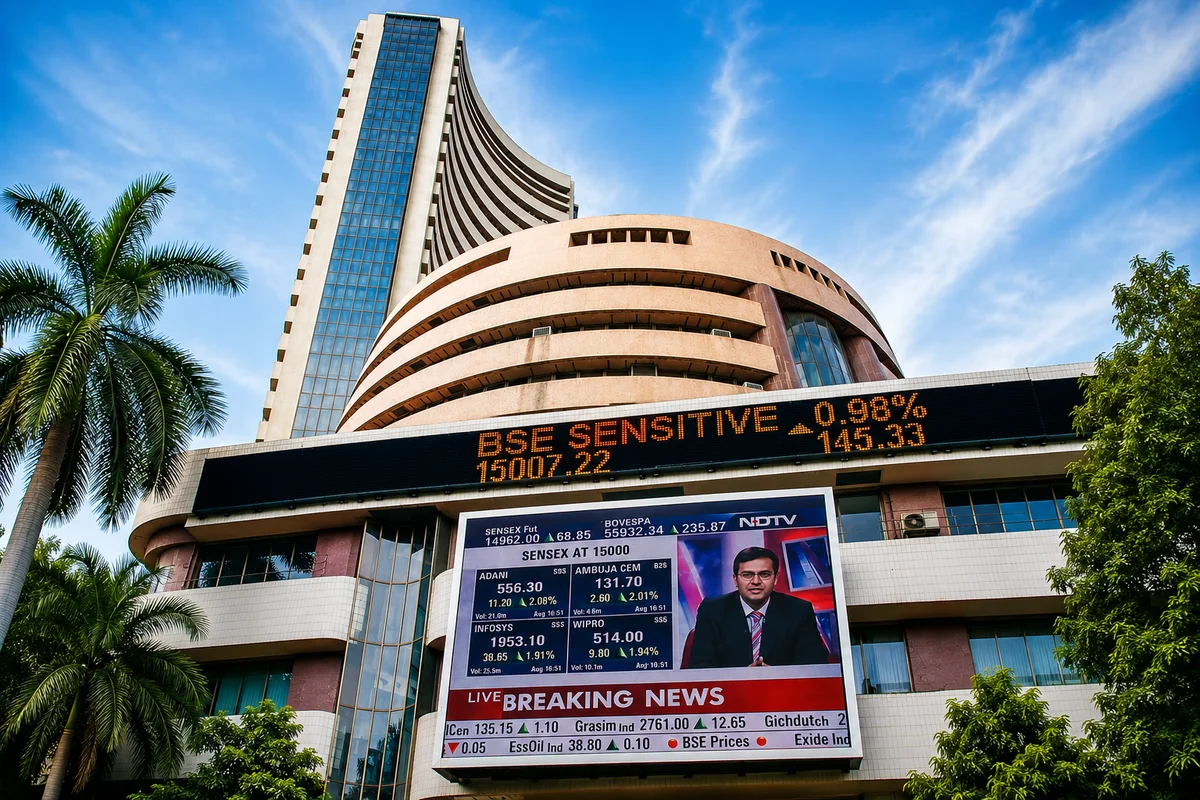
Q1 FY27 earnings season gathers pace as Reliance Industries, JSW Steel, Federal Bank, Havells, Tata Technologies and nearly 30 companies announce...
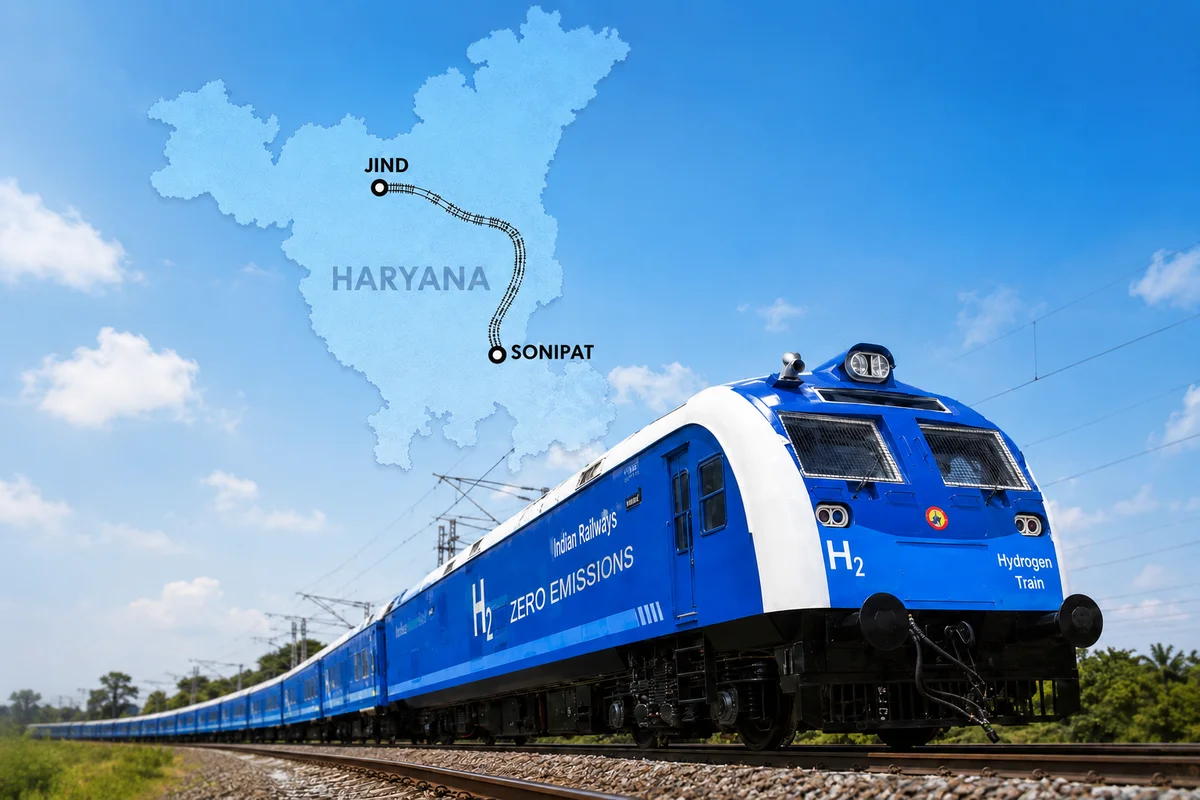
India is set to launch its first hydrogen-powered passenger train on July 17, marking a major milestone in green transportation.

Actor and entrepreneur Vivek Oberoi has revealed that his family office has invested in more than 30 companies, exited 11 investments, and generated...