Loading market data...
Wed, 02 Sept 2026
10:32:41 am
Wed, 02 Sept 2026
10:32:41 am
Rudransh Sanfwan
Published at: April 2, 2026, 6:33 AM
Synopsis
Asian stocks fall and oil prices surge after Trump warns of Iran escalation. Discover what’s driving global market volatility and what lies ahead.
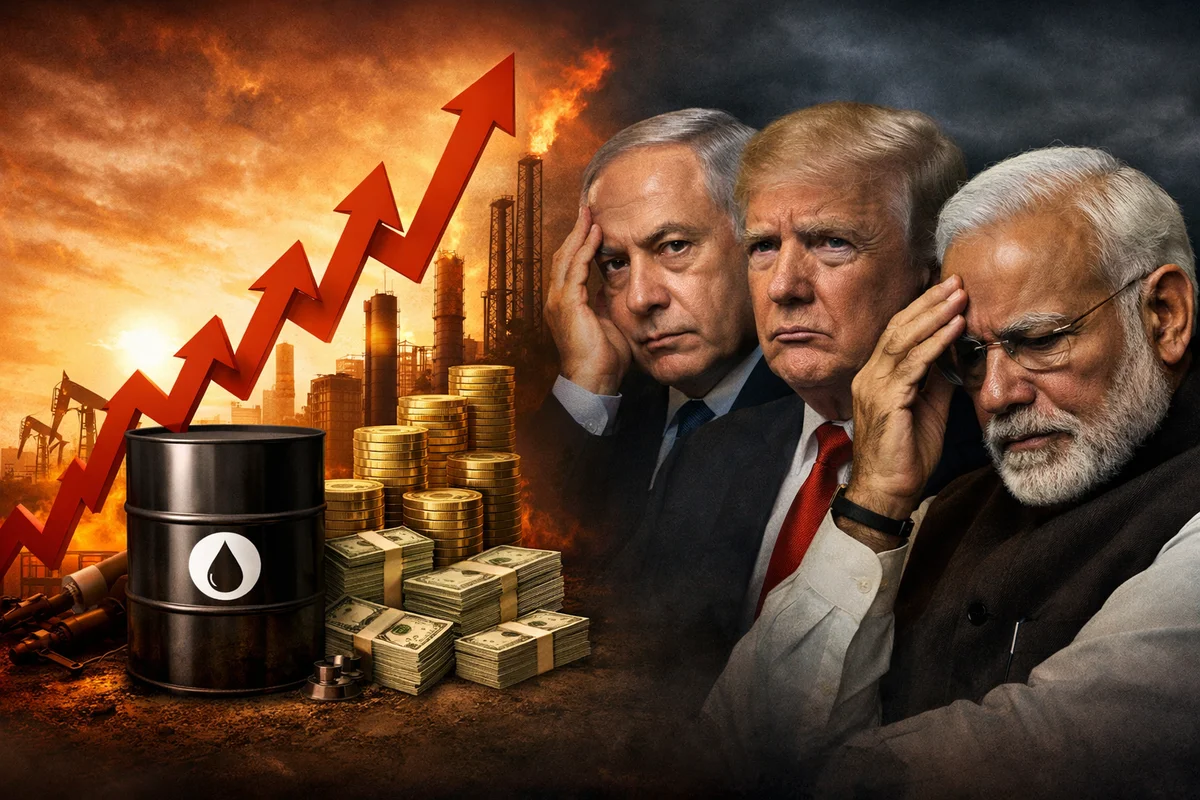
Asian stock markets witnessed a sharp decline after renewed escalation signals from the United States regarding the ongoing Iran conflict. Investors reacted negatively after US President Donald Trump indicated that military strikes would continue aggressively over the next few weeks.
Markets had been hoping for clarity or signs of de-escalation. Instead, the lack of a clear timeline for ending the conflict created uncertainty, pushing investors toward a risk-off approach.
For example, major indices across Asia fell:
This broad-based decline shows that the selloff was not isolated but driven by global sentiment.
The takeaway is clear. Uncertainty, not just conflict, is what markets fear the most.
At the same time, oil prices jumped sharply following Trump’s warning of continued military action. Markets fear that prolonged conflict could disrupt global energy supply, especially from the Middle East.
Oil prices surged over 5%, crossing key levels above $100 per barrel.
The Strait of Hormuz, a critical oil shipping route, remains at the center of concerns. Any disruption here can impact a significant portion of global oil supply.
For instance:
The takeaway is that oil is currently the biggest transmission channel of geopolitical risk to markets.
The ongoing Iran conflict has become a major driver of global financial markets. Trump’s statement that the US will hit Iran “extremely hard” over the coming weeks has significantly increased uncertainty.
Markets react strongly when:
For example, even a hint of prolonged war can trigger global selloffs, as investors reassess risk across asset classes.
This explains why both equities and commodities reacted sharply at the same time.
The takeaway is that geopolitical risk is currently dominating market direction.
The current environment has pushed investors toward safer assets and away from equities. This shift is known as a risk-off sentiment.
In such scenarios:
For example, global investors are reducing exposure to equities and reallocating capital toward safer instruments.
This shift also explains why emerging markets, including Asian economies, are seeing stronger selling pressure.
The takeaway is that capital flows change rapidly during geopolitical stress.
Rising oil prices have a direct impact on inflation, which is a key concern for global markets right now.
When oil prices increase:
For instance, higher inflation reduces consumer spending power and slows economic growth.
This creates a double negative for markets:
The takeaway is that oil-driven inflation is a major threat to market stability.
The impact is not limited to Asian markets. Global equities are also under pressure as uncertainty spreads.
Key reactions include:
For example, global indices have seen synchronized movements, showing how interconnected markets have become.
This global reaction highlights the scale of the geopolitical impact.
The takeaway is that this is a global risk event, not a regional one.
Going forward, markets will closely track developments in the Iran conflict and global energy markets.
Key triggers include:
For example, even a slight change in geopolitical tone can trigger sharp reversals in markets.
The takeaway is that volatility is likely to remain high in the near term.
The current situation highlights how sensitive markets are to geopolitical developments. The combination of falling stocks and rising oil prices creates a challenging environment for investors.
If tensions continue:
However, any signs of resolution could trigger a strong rebound.
The final takeaway is clear. Markets are currently being driven by geopolitics, and until clarity emerges, uncertainty will dominate price movements.

Financial journalist specializing in market analysis, stock research, and investment trends. Dedicated to providing accurate, timely insights for informed decision-making.
Credentials: Experienced financial journalist with expertise in equity markets and economic analysis
The information provided in this article is for educational and informational purposes only and should not be construed as financial, investment, or legal advice. welomoney does not provide personalized investment recommendations.
For detailed terms and conditions, please read our Disclaimer and Terms of Service.
Oracle layoffs 2026: Employees brace for possible September 1 job cuts after 21,000 layoffs.

Mumbai warehouse raid uncovers tampered food labels on popular packaged food products, raising fresh concerns over food safety and export supply...

RBI plans polymer ₹10 and ₹20 notes with strict tender conditions. Check the latest on animal fat, China-Pakistan links, companies in the race and...
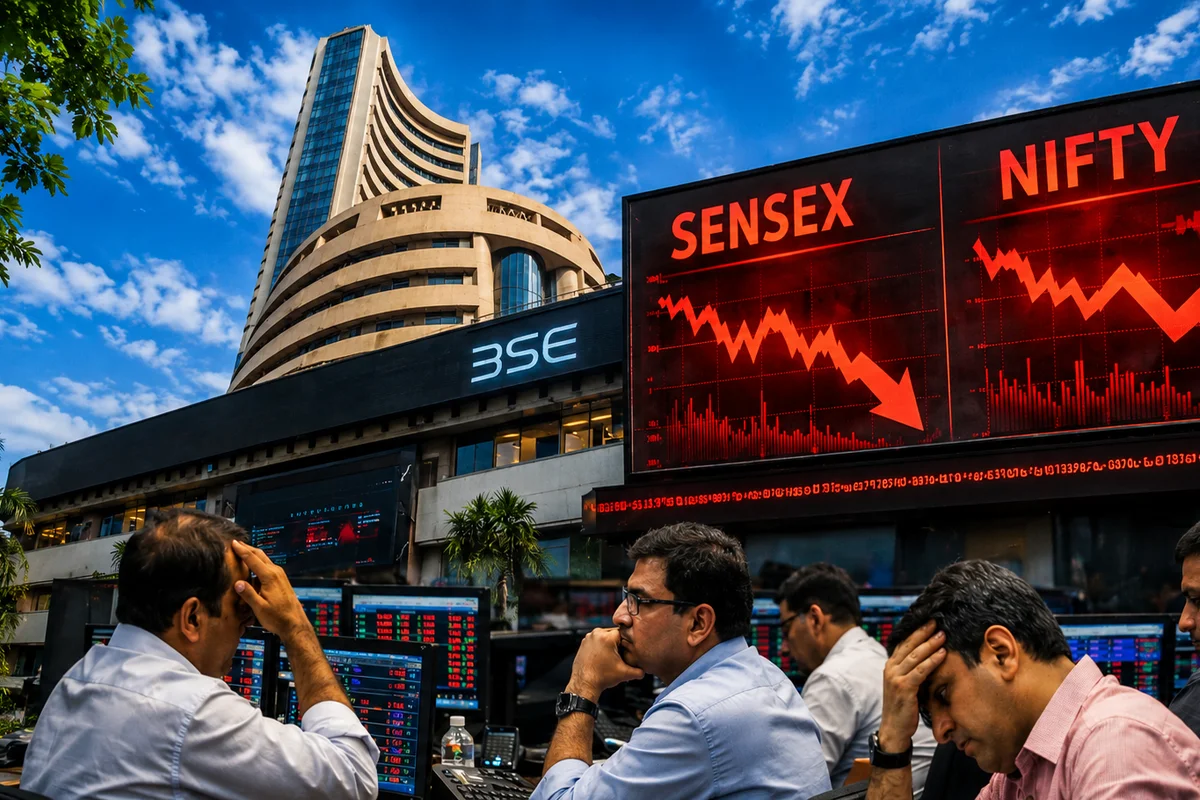
Indian stock markets fell on August 31, 2026, as renewed West Asia tensions pushed crude oil prices higher.

Indian stock market today saw sharp movements across key sectors, with major gainers and losers driving notable volatility on the NSE.