Loading market data...
Mon, 14 Sept 2026
06:07:55 pm
Mon, 14 Sept 2026
06:07:55 pm

Rudransh Sangwan
Published at: July 31, 2026, 11:08 AM
Synopsis
Daraxonrasib is being hailed as a breakthrough for metastatic pancreatic cancer after a Phase 3 trial nearly doubled median survival to 13.2 months and reduced the risk of death by 60%. Learn how the experimental KRAS inhibitor works, its FDA priority review status and why doctors believe it could transform pancreatic cancer treatment.
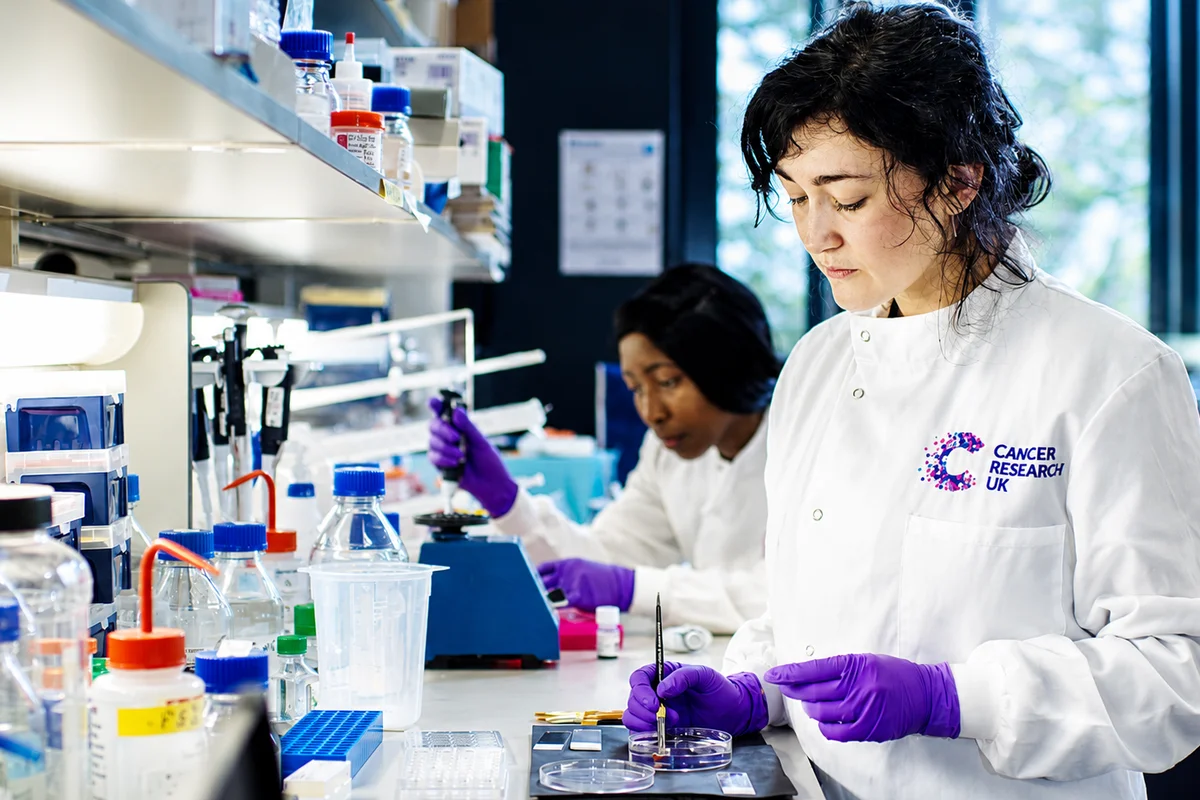
Daraxonrasib, an experimental once daily oral drug developed by Revolution Medicines, is emerging as one of the biggest breakthroughs in pancreatic cancer treatment after delivering unprecedented results in a Phase 3 clinical trial. The drug nearly doubled median overall survival for patients with previously treated metastatic pancreatic cancer and significantly outperformed standard chemotherapy across multiple clinical endpoints.
The findings, presented at the 2026 American Society of Clinical Oncology (ASCO) Annual Meeting and simultaneously published in the New England Journal of Medicine, received a standing ovation from cancer specialists. Experts say the results could change the standard treatment approach for patients with advanced pancreatic cancer, a disease long considered one of the most difficult cancers to treat.
| Particulars | Details |
|---|---|
| Drug Name | Daraxonrasib |
| Developer | Revolution Medicines |
| Drug Type | Once daily oral KRAS inhibitor |
| Target Disease | Previously treated metastatic pancreatic cancer |
| FDA Status | Priority Review Accepted |
| Current Status | Experimental drug with Expanded Access Program |
Pancreatic cancer has historically been one of the deadliest forms of cancer, with limited treatment options after first line therapy stops working. More than 90% of pancreatic cancers are driven by mutations in the KRAS gene, which for decades was considered impossible to target with medicines.
Daraxonrasib changes that outlook by directly targeting mutated KRAS proteins that fuel cancer growth. According to the Phase 3 RASolute 302 trial, the drug delivered statistically significant improvements in overall survival, progression free survival, tumor response rates and patient quality of life compared with standard chemotherapy.
| Clinical Measure | Daraxonrasib | Chemotherapy |
|---|---|---|
| Median Overall Survival | 13.2 Months | 6.6 to 6.7 Months |
| Risk of Death | Reduced by 60% | Standard Treatment |
| Progression Free Survival | 7.3 Months | 3.5 Months |
| Overall Response Rate | 33.2% | 11.8% |
The most remarkable outcome from the study was the improvement in overall survival. Patients receiving daraxonrasib lived a median of 13.2 months, compared with approximately 6.7 months for those receiving standard chemotherapy. The treatment also reduced the risk of death by about 60%, making it one of the most significant advances reported in pancreatic cancer treatment in recent years.
The benefit extended beyond survival alone. At the 12 month mark, 53.3% of patients receiving daraxonrasib were still alive, compared with only 18.7% of patients treated with chemotherapy.
| Measure | Daraxonrasib | Chemotherapy |
|---|---|---|
| Median Overall Survival | 13.2 Months | 6.7 Months |
| Twelve Month Survival Rate | 53.3% | 18.7% |
| Risk of Death | 60% Lower | Baseline |
Along with improving survival, daraxonrasib also demonstrated better tolerability than chemotherapy. Although most patients experienced treatment related side effects, significantly fewer patients receiving daraxonrasib required dose reductions or discontinued treatment because of adverse events.
Patients also experienced a longer period before pain worsened and maintained a better overall quality of life. These findings are particularly important because many patients with advanced pancreatic cancer struggle with severe symptoms that affect daily living.
| Measure | Daraxonrasib | Chemotherapy |
|---|---|---|
| Dose Reductions Due to Side Effects | 36.1% | 57.5% |
| Serious Side Effects | 10.8% | 18.7% |
| Time Before Significant Pain Increase | 9.2 Months | 3.8 Months |
| Positive Quality of Life | 5.7 Months | 2.6 Months |
Following the strong Phase 3 results, the US Food and Drug Administration accepted the company's New Drug Application under its Priority Review process. This designation is granted to medicines that could provide significant improvements over existing treatments and generally shortens the regulatory review timeline.
While the medicine has not yet received full FDA approval, eligible patients with serious or life threatening pancreatic cancer may already be able to receive daraxonrasib through the FDA Expanded Access Program if they have exhausted available treatment options and meet eligibility requirements.
| Category | Status |
|---|---|
| FDA Review | Priority Review |
| Clinical Trial Stage | Phase 3 Completed |
| FDA Approval | Pending |
| Expanded Access | Available for Eligible Patients |
Doctors believe daraxonrasib could become a new standard treatment for patients with previously treated metastatic pancreatic cancer if regulatory approval is granted. Researchers are also studying the drug as a potential first line treatment, which could further improve outcomes for future patients.
Although daraxonrasib is not a cure, the combination of longer survival, improved quality of life, better tolerability and strong clinical trial results represents one of the most promising developments in pancreatic cancer research in decades. Continued regulatory progress and additional clinical studies will determine how broadly the medicine can be used in the future.
| Factor | Why It Matters |
|---|---|
| FDA Priority Review | Potential Approval Timeline |
| First Line Clinical Trials | Broader Treatment Use |
| Long Term Survival Data | Clinical Benefit |
| Expanded Access Program | Patient Availability |
| Regulatory Decision | Commercial Launch |
Daraxonrasib is an experimental once daily oral KRAS inhibitor developed by Revolution Medicines. It is designed to target mutated KRAS proteins, which drive more than 90% of pancreatic cancer cases.
Doctors consider daraxonrasib a major breakthrough because it nearly doubled median overall survival, significantly reduced the risk of death by about 60%, improved progression free survival and offered a better quality of life compared with standard chemotherapy in a Phase 3 clinical trial.
Patients treated with daraxonrasib had a median overall survival of 13.2 months, compared with 6.6 to 6.7 months for those receiving standard chemotherapy.
In patients with RAS G12 mutations, daraxonrasib reduced the risk of death by approximately 60% compared with standard chemotherapy, making it one of the most promising advances in pancreatic cancer treatment.
Not yet. The US Food and Drug Administration has accepted the drug's New Drug Application for Priority Review, which means the regulatory review process is being expedited because the treatment could provide significant clinical benefits.
Yes. Eligible patients with serious or life threatening metastatic pancreatic cancer may be able to receive daraxonrasib through the FDA Expanded Access Program if they have exhausted available treatment options and meet the required eligibility criteria.
The most common side effects included rash, oral swelling and mouth sores. However, the drug was generally better tolerated than standard chemotherapy, with fewer patients requiring dose reductions or experiencing serious treatment related side effects.
No. Daraxonrasib is not a cure for pancreatic cancer. However, clinical trial results show that it can significantly improve survival, delay disease progression and enhance quality of life for patients with previously treated metastatic pancreatic cancer, making it one of the most promising new treatment options under development.
Financial journalist specializing in market analysis, stock research, and investment trends. Dedicated to providing accurate, timely insights for informed decision-making.
Credentials: Experienced financial journalist with expertise in equity markets and economic analysis
The information provided in this article is for educational and informational purposes only and should not be construed as financial, investment, or legal advice. welomoney does not provide personalized investment recommendations.
For detailed terms and conditions, please read our Disclaimer and Terms of Service.

Apple's September 9 event starts at 10:30 PM IST. Check how to watch live, expected iPhone 18 Pro and Pro Max specs, foldable iPhone Ultra price and...
Claude and ChatGPT are competing for the lead in consumer AI, enterprise adoption and future AI growth as Anthropic gains ground with Claude.

iPhone 18 Pro Max launch date, expected India price, specifications, camera, display, battery, design, colours and latest leaks ahead of Apple's...

Azim Premji Scholarship 2026 registration ends today, August 31. Check eligibility, ₹30,000 scholarship amount, documents required, apply online...