Loading market data...
Tue, 29 Sept 2026
10:34:36 am
Tue, 29 Sept 2026
10:34:36 am
Synopsis
Trump’s Canadian alcohol ban is in force, but bulk whisky and liqueurs are exempt. Learn why repackaging matters and what Section 338 means for trade.
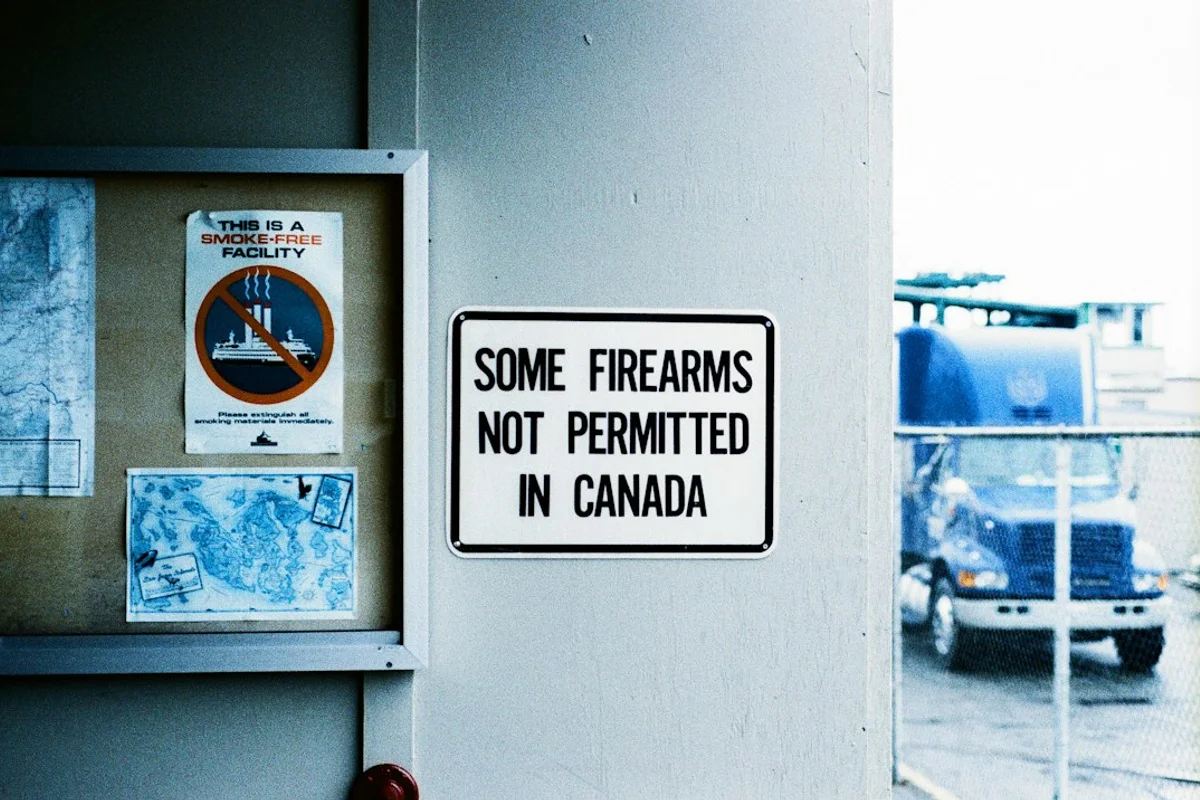
The US-Canada trade war has entered a new phase: US President Donald Trump’s ban on Canadian alcoholic beverages has taken effect, while bulk whisky and liqueurs are exempt. The distinction gives businesses a potential route to keep some Canadian spirits moving into the US—but using it may require new containers, repackaging and extra costs.
Trump is invoking Section 338 of the Smoot-Hawley Tariff Act of 1930 to enforce the measure. The dispute adds to existing trade tensions, including tariffs and Canadian provincial restrictions on American alcohol. Trump has said he expects Canada to approach the US with a deal.
The Catalyst
The immediate trigger is the US ban on Canadian alcoholic beverages. But the exemption for bulk whisky and liqueurs makes the policy more specific than a blanket stop on every form of Canadian spirits: some products may still enter the supply chain in bulk, even as Canadian alcohol sold in its usual packaged form is affected.
That distinction matters because bulk product is not necessarily ready for retail shelves. Businesses seeking to use the exemption may need suitable containers, or have to source them, and then transfer the whisky into the smaller bottles typically sold in liquor stores. Those steps take time and add handling and packaging costs.
The legal basis is also notable. Trump is relying on Section 338 of the Smoot-Hawley Tariff Act, a 1930 law associated with the era of protectionist trade measures. The official US Code text for Section 338 sets out the provision being invoked. Its use in this dispute signals an escalation in the trade conflict, but does not by itself establish how long the restrictions will last.
Financial Forensics
The economic effect depends on whether companies can practically use the bulk exemption. A business needs access to the right packaging and bottling capacity, as well as a process for moving product into retail-sized containers. If those resources are unavailable, the exemption may not prevent delays or added costs.
| Product or route | Treatment described in the announcement | Business implication |
|---|---|---|
| Canadian alcoholic beverages in regular retail packaging | Covered by the ban | Access to the US market is restricted |
| Bulk whisky | Exempt | May offer a route into the US, subject to handling and bottling needs |
| Bulk liqueurs | Exempt | Similar potential route, with packaging and processing requirements |
| Repackaged retail bottles | Requires additional steps | Container, labour and bottling costs may rise |
Source: Details provided in the announcement described in this article. No tariff rate, exemption volume limit or end date was provided.
For businesses, the key cost question is not only whether bulk imports are exempt, but whether converting them into sellable products is commercially worthwhile. Packaging, labour and logistics expenses could reduce margins. If companies pass those costs along, US consumers may face higher prices or fewer product choices; the size of any effect is not yet established.
For background on the wider bilateral relationship, the Office of the US Trade Representative’s Canada profile provides official trade context. The supplied details do not specify the exact product list, implementation procedures or how individual importers must document eligibility, so those details should be checked before making business decisions.
Market Impact
The policy could pressure Canadian alcohol producers and US importers that rely on established packaged-product routes. Bulk whisky and liqueurs may soften that impact, but only where companies can arrange bottling and absorb the added expense.
For Indian investors watching global trade headlines alongside the Nifty and Sensex, this is not, on the information available, a direct signal for a specific NSE- or BSE-listed stock. The broader watchpoint is whether the dispute expands or changes supply costs and business confidence. No market-price or earnings impact can be quantified from the announcement alone.
Key Takeaways
FinScann Verdict
The bulk exemption creates a possible workaround, not a cost-free one. Watch for official clarification on eligible products, implementation requirements and any negotiated US-Canada deal before drawing conclusions about company earnings or consumer prices.
Q: Why are bulk whisky and liqueurs exempt from the US ban on Canadian alcohol?
A: The stated policy exempts those bulk categories, allowing a potential supply route distinct from finished retail bottles. The available announcement does not explain the government’s full rationale or detailed eligibility rules.
Q: Can companies sell exempt bulk whisky directly in US liquor stores?
A: Not necessarily. The described route may require businesses to source suitable containers and repackage the whisky into retail-sized bottles before sale.
Q: Could the ban make Canadian whisky more expensive in the US?
A: It could add packaging, labour and logistics costs for businesses using the bulk exemption. Companies may pass some costs on, but the size and timing of any price change are not established.
Q: What is Section 338 of the Smoot-Hawley Tariff Act?
A: It is a provision of the 1930 US trade law that Trump is invoking as the legal basis for the measure. Its application here is part of a wider trade dispute between the US and Canada.
Disclaimer: For information only; not investment advice. Stock market investments carry risks. Please consult a SEBI-registered advisor before investing. FinScann assumes no liability for decisions made based on this report.

Financial journalist specializing in market analysis, stock research, and investment trends. Dedicated to providing accurate, timely insights for informed decision-making.
Credentials: Experienced financial journalist with expertise in equity markets and economic analysis
The information provided in this article is for educational and informational purposes only and should not be construed as financial, investment, or legal advice. welomoney does not provide personalized investment recommendations.
For detailed terms and conditions, please read our Disclaimer and Terms of Service.
Trump-Xi talks could shape US stocks as the tariff truce nears its November 10 deadline. See key market risks, sectors and outcomes for investors.
Iran’s Strait of Hormuz decision is deepening tensions with the US. Discover Tehran’s conditions for reopening the waterway and the risks to global...
US lawmakers advance a Russia sanctions bill that could expose India to higher tariffs over Russian oil purchases.