Loading market data...
Tue, 20 Oct 2026
03:48:48 pm
Tue, 20 Oct 2026
03:48:48 pm

Rudransh Sangwan
Published at: August 24, 2026, 6:21 AM
Synopsis
Nearly 3 million China-made Tesla vehicles face a recall over hidden door-handle safety concerns. Xiaomi, XPeng and Geely are also affected as China tightens EV safety rules.
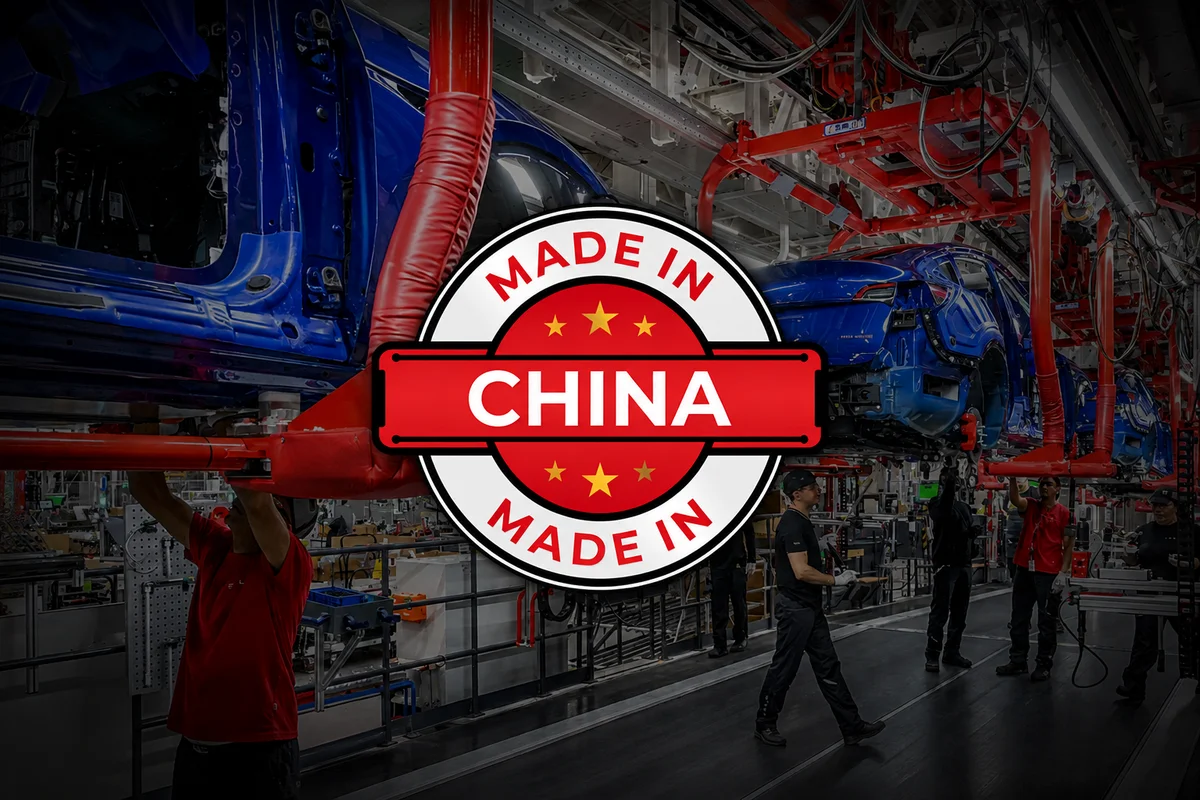
Nearly 3 million Tesla vehicles manufactured in China are being recalled over concerns that their hidden door handles could be difficult to identify and operate during emergencies. The recall affects approximately 2.98 million China-made Tesla vehicles, including certain Model 3, Model Y, Model S and Model X vehicles.
The development has also brought wider attention to hidden door-handle designs used by several electric vehicle manufacturers, including XPeng, Xiaomi and Geely, as regulators and investors assess whether the minimalist design can meet emergency safety requirements.
Loading chart...
Tesla said some vehicles have door handles that can be difficult to identify and operate because their colour is similar to the surrounding interior trim. This could make it harder for occupants or rescuers to open the doors quickly during an emergency.
The company said the issue could become particularly important after a severe collision causes the vehicle's low-voltage system to fail. Tesla plans to place warning labels on affected vehicles and issue a software update that will automatically lower the windows after a collision.
Retractable door handles became closely associated with Tesla, particularly after the introduction of the Model S. The handles sit flush with the vehicle's bodywork and extend outward when the vehicle detects the owner's approach.
The design was subsequently adopted by several Chinese electric vehicle manufacturers as automakers focused on aerodynamic efficiency and minimalist styling. However, concerns over emergency accessibility have increased as more vehicles use electronic or concealed door-opening systems.
The issue received additional attention following two fatal crashes involving Xiaomi electric vehicles in China, where power failures were suspected of preventing doors from being opened. The incidents have intensified scrutiny of emergency door-release mechanisms in modern electric vehicles.
The Tesla recall therefore extends beyond one manufacturer and raises broader questions about how automakers should balance vehicle design, aerodynamic efficiency and emergency safety. The issue could become increasingly important for companies operating in China's competitive EV market.
Chinese authorities announced new requirements earlier this year concerning hidden vehicle door handles. Under regulations scheduled to take effect on January 1, 2027, vehicles sold in China will be required to have a mechanical release on both the inside and outside of the doors.
The regulatory change could force automakers using concealed or electronically operated handles to modify future vehicle designs. Manufacturers may need to ensure occupants and emergency responders can access vehicles even when electrical systems are unavailable.
The recall could increase scrutiny of Tesla's vehicle design and potentially affect other electric vehicle manufacturers using similar door-handle systems. XPeng, Xiaomi and Geely are among Chinese brands that have used concealed door-handle designs.
If regulatory requirements become more stringent, manufacturers could face additional engineering and compliance costs as they adapt existing vehicle platforms. For Tesla, the development comes as investors continue to monitor vehicle deliveries, competition in China and the company's broader automotive strategy.
Tesla's hidden door handles have previously attracted attention from US safety regulators following reports involving handles that stopped functioning and allegedly left occupants unable to exit vehicles. The issue has therefore attracted regulatory attention beyond China.
In July, the US National Highway Traffic Safety Administration suggested creating a formal safety standard for vehicle door-opening mechanisms. If similar regulations emerge in other major markets, automakers could face pressure to combine minimalist designs with more accessible mechanical emergency releases.
The recall could accelerate a broader shift in how electric vehicle manufacturers approach exterior and interior door-release systems. The central issue is whether occupants can quickly identify and operate an emergency release when a vehicle loses electrical power.
Future EV designs could increasingly combine minimalist exterior styling with more prominent mechanical emergency-release systems. The development is also relevant to the broader Indian market as investors assess how changing global vehicle-safety requirements could influence Tesla and other EV manufacturers.
Tesla is likely to remain in focus as investors assess the financial and operational implications of the China recall. The impact will depend on the number of affected vehicles, corrective-measure costs and whether similar requirements are introduced in other markets.
Chinese EV manufacturers could also attract investor attention if China's mechanical-release requirements require significant changes to existing vehicle platforms. XPeng, Xiaomi and Geely could therefore remain in focus as the industry adapts to the changing safety framework.
Investors tracking Tesla and the wider electric vehicle sector will likely monitor the number of vehicles ultimately covered by the recall, the cost of corrective measures and China's implementation of the new mechanical door-release requirements.
They will also watch whether other countries introduce similar safety standards, how affected Chinese EV manufacturers respond and whether vehicle redesigns increase development costs. These factors could influence sentiment toward Tesla and other EV stocks.
The nearly 3 million Tesla China recall puts renewed focus on the safety implications of hidden electric vehicle door handles. While Tesla's proposed software update and warning labels are intended to improve emergency access, China's upcoming mechanical-release requirement could lead to more substantial changes in future vehicle designs.
For investors, the key question is whether the issue remains a China-specific recall or develops into a broader regulatory challenge for automakers using concealed door handles. As the global EV industry evolves, vehicle safety, regulatory compliance and design changes could increasingly become important factors for companies and investors tracking the sector.
Financial journalist specializing in market analysis, stock research, and investment trends. Dedicated to providing accurate, timely insights for informed decision-making.
Credentials: Experienced financial journalist with expertise in equity markets and economic analysis
The information provided in this article is for educational and informational purposes only and should not be construed as financial, investment, or legal advice. welomoney does not provide personalized investment recommendations.
For detailed terms and conditions, please read our Disclaimer and Terms of Service.

China GDP growth reached 4.5% in Q3 2026, beating the 4.4% forecast. Retail sales improved, but falling property investment keeps recovery risks in...

India-US trade deal could create opportunities for Indian home décor and handicraft exporters. Here's what it means for exports, businesses and stocks
India-US trade deal could affect textiles, pharmaceuticals, chemicals, engineering goods and gems and jewellery. Here are 5 sectors to watch.

Fed rate hike odds for October 28 jumped to 53.7% from 22.1% in a day. September inflation has complicated the outlook for December rate decisions.

Zoho has cut marketing spending as Sridhar Vembu cites fourfold server price increases, 18 months without employee growth and plans to avoid mass...