Loading market data...
Tue, 20 Oct 2026
03:47:11 pm
Tue, 20 Oct 2026
03:47:11 pm
Synopsis
Iran discovers 7.5 trillion cubic feet of natural gas in Fars Province as US sanctions and blockade pressure energy exports, oil markets and the Strait of Hormuz.
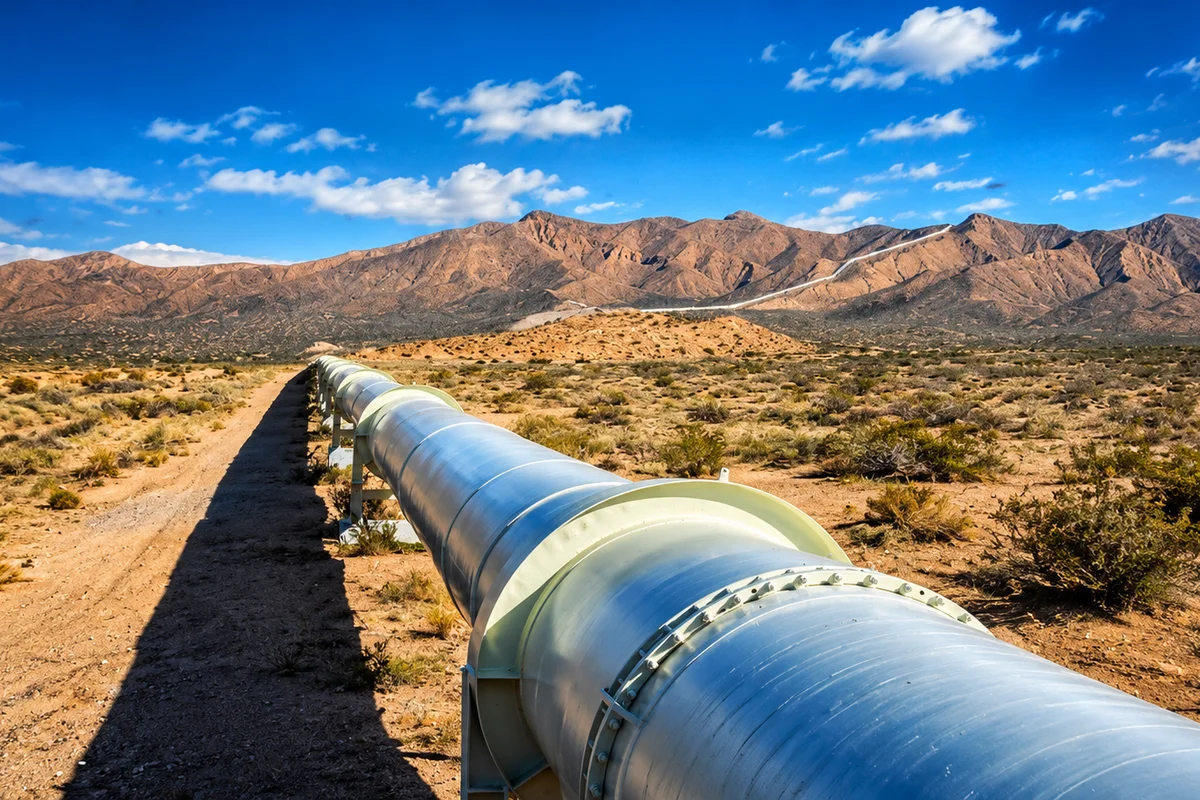
Iran has discovered more than 7.5 trillion cubic feet of natural gas in a field in southern Fars Province, according to Oil Minister Mohsen Paknejad. The discovery comes as Iran's energy sector faces pressure from war, sanctions and restrictions on oil and gas exports.
Of the 7.5 trillion cubic feet discovered, around 5.7 trillion cubic feet could be commercially recoverable, based on a recovery rate of 72% to 73%. While the discovery adds significantly to Iran's large gas reserves, developing the field could remain challenging because of restrictions on investment, technology and energy markets.
Iran's latest gas discovery highlights the country's substantial energy resources. According to the Gas Exporting Countries Forum, Iran holds nearly 34 trillion cubic metres of proven natural gas reserves, making it the world's second-largest holder after Russia.
The discovery comes at a difficult time for Iran's energy industry. The country has faced recurring gas shortages, power cuts and industrial disruptions, while damage to energy infrastructure has further complicated production and distribution.
The latest announcement follows another major discovery in southern Iran in October 2025. Exploration at the Pazan field identified around 10 trillion cubic feet of natural gas and at least 200 million barrels of crude oil.
Iran estimated that approximately 7 trillion cubic feet of the Pazan field's gas could be recovered, with production expected to begin in about 40 months. The two discoveries underline the country's substantial energy potential despite its difficulties in developing and exporting these resources.
Iran's ability to benefit from its growing gas reserves depends heavily on access to investment, equipment and modern technology. International sanctions have restricted foreign investment and technology access, while much of the country's energy infrastructure is decades old.
The pressure increased after Israel and the United States launched their joint war against Iran on February 28. Tehran said in July that strikes on energy infrastructure had reduced daily gas production by around 230 million cubic metres.
The gas discovery comes shortly after reports that Iran transferred $7.5 billion in foreign currency earnings from oil sales to its central bank between March and July 2026. The amount was reportedly 50% higher than during the corresponding period of 2025.
Despite continuing oil earnings, Iran's oil exports have come under increasing pressure. The United States reimposed its blockade of Iranian ports and shipping on July 13 after an interim agreement to halt the war collapsed, putting additional pressure on the country's main source of hard currency.
The Strait of Hormuz remains central to Iran's energy-export difficulties because it connects Gulf producers with major buyers in Asia. Before the conflict, around one-fifth of global oil and liquefied natural gas passed through the waterway.
Restrictions around the Strait of Hormuz have therefore created broader concerns for international oil markets. The latest developments could remain relevant for global energy prices, particularly as disruptions to Iranian exports affect available supplies and shipping routes.
The newly discovered gas reserves could strengthen Iran's long-term energy position if the country can develop the field and bring the gas to market. However, the immediate economic impact is likely to depend on investment, infrastructure, technology access and the ability to export energy.
For investors and market participants tracking market developments, the discovery is important because it comes alongside continued disruptions to Iran's oil exports and the wider geopolitical pressure surrounding the country's energy sector.
Iran's latest discovery adds another significant resource to one of the world's largest natural gas reserve bases. With around 5.7 trillion cubic feet estimated to be recoverable from the newly identified field, the discovery could support future domestic energy production and potentially exports if development conditions improve.
However, sanctions, infrastructure constraints, war-related disruptions and restrictions around energy shipping remain major challenges. The immediate significance of the discovery therefore lies in its long-term energy potential, while its commercial impact will depend on Iran's ability to develop the field and connect its resources with domestic and international markets.
Iran has discovered more than 7.5 trillion cubic feet of natural gas in a field in southern Fars Province, with around 5.7 trillion cubic feet estimated to be commercially recoverable.
The natural gas discovery was made in Fars Province in southern Iran.
Around 5.7 trillion cubic feet of the newly discovered gas could be recovered, based on an estimated recovery rate of 72% to 73%.
No. Iran has nearly 34 trillion cubic metres of proven natural gas reserves, making it the second-largest holder after Russia, according to the Gas Exporting Countries Forum.
The discovery could strengthen Iran's long-term energy resources and domestic gas supply, although sanctions, infrastructure limitations and restrictions on investment and technology could make development difficult.
Iran has faced gas shortages, power cuts and industrial disruptions, with damage to energy infrastructure adding further pressure on its energy sector.
US restrictions on Iranian ports and shipping have put pressure on Iran's ability to export oil, its main source of hard currency, contributing to concerns across global oil markets.
The Strait of Hormuz is a major maritime route connecting Gulf energy producers with Asian buyers. Around one-fifth of global oil and LNG passed through the waterway before the conflict.
The discovery has long-term potential to influence energy supply, but its immediate market impact will depend on Iran's ability to develop the field, produce the gas and access international markets.
Iran's latest gas discovery comes alongside pressure on its oil exports and energy infrastructure, making developments in the country relevant to investors tracking market news and global energy markets.

Financial journalist specializing in market analysis, stock research, and investment trends. Dedicated to providing accurate, timely insights for informed decision-making.
Credentials: Experienced financial journalist with expertise in equity markets and economic analysis
The information provided in this article is for educational and informational purposes only and should not be construed as financial, investment, or legal advice. welomoney does not provide personalized investment recommendations.
For detailed terms and conditions, please read our Disclaimer and Terms of Service.
China GDP growth reached 4.5% in Q3 2026, beating the 4.4% forecast. Retail sales improved, but falling property investment keeps recovery risks in...

India-US trade deal could create opportunities for Indian home décor and handicraft exporters. Here's what it means for exports, businesses and stocks

India-US trade deal could affect textiles, pharmaceuticals, chemicals, engineering goods and gems and jewellery. Here are 5 sectors to watch.
Fed rate hike odds for October 28 jumped to 53.7% from 22.1% in a day. September inflation has complicated the outlook for December rate decisions.

Zoho has cut marketing spending as Sridhar Vembu cites fourfold server price increases, 18 months without employee growth and plans to avoid mass...