Loading market data...
Fri, 23 Oct 2026
09:56:38 am
Fri, 23 Oct 2026
09:56:38 am

Rudransh Sangwan
Published at: October 23, 2026, 7:30 AM
Synopsis
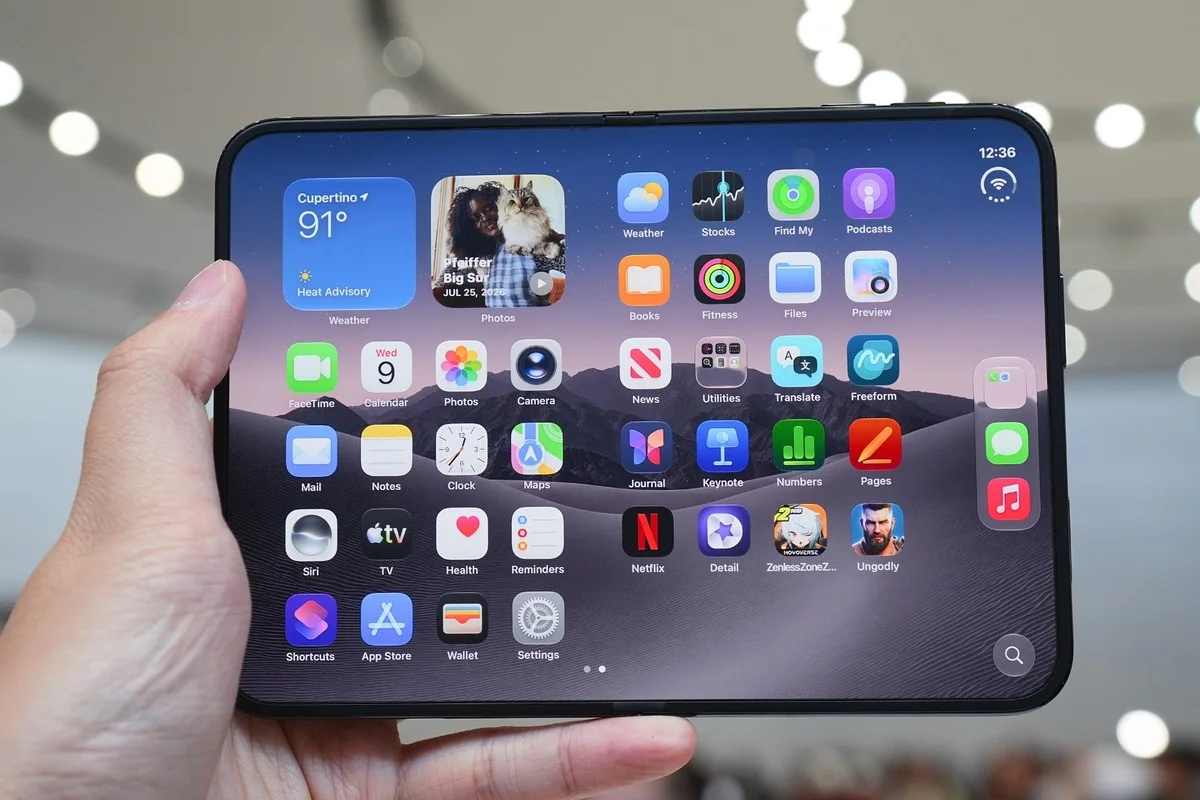
Apple iPhone Duo faces launch day shortages as demand outpaces supply. See what is driving demand and what the supply crunch means for buyers.
The short version
Apple's new foldable iPhone Duo goes on sale on Friday, October 23, with limited stocks available at retail stores and early orders beginning to reach customers. Priced from $2,000, the device has attracted enough interest to bring queues back to some Apple stores, even as many buyers face extended delivery waits.
The launch is an important test for Apple's foldable smartphone strategy. The company has introduced one of its most substantial iPhone design changes in nearly two decades, but its immediate challenge is meeting demand for a device that is expensive and difficult to manufacture.
At Apple's flagship Fifth Avenue store in New York City, more than a few dozen customers without preorders were waiting by Thursday evening in the hope of buying the phone. Similar queues appeared in parts of Asia and Australia. Apple has reserved a limited number of units for walk in customers, leaving availability dependent on local store inventory.
Production constraints are limiting the number of devices Apple can deliver at launch. The iPhone Duo uses an advanced hinge and new display technology, which make manufacturing more difficult than producing conventional smartphones. Production is also concentrated in a limited number of facilities in China.
Apple has expanded production of its traditional iPhone models in recent years, including by adding manufacturing capacity in India. That expansion has helped the company manage supply for its conventional devices, but the foldable model faces a different set of manufacturing requirements.
The shortage is visible in Apple's delivery estimates. Customers placing fresh orders through the company's website are being offered delivery toward the end of January. Some customers who ordered earlier have received improved estimates, with shipments potentially arriving in November or December instead.
These waiting periods are among the longest for a new Apple product in the company's modern history. They also make it difficult to judge the full level of demand from initial sales alone because some customers may wait for availability to improve.
The iPhone Duo is one of the most expensive mainstream smartphones to reach the market. Its price rises with storage capacity, reaching $3,199 for the version with 2 terabytes of storage.
| Particulars | Details |
|---|---|
| Product | Apple iPhone Duo |
| Starting price | $2,000 and above |
| Highest stated price | $3,199 |
| Highest storage capacity | 2 terabytes |
| Retail launch | Friday, October 23 |
| New order delivery estimate | Late January |
| Some early order estimates | November or December |
| Main manufacturing locations | Limited facilities in China |
The price has raised questions about how many consumers would be willing to pay for Apple's first major foldable iPhone design. Early interest from existing Apple customers, resellers and other buyers suggests that demand is substantial, although the available information does not establish final sales volumes.
Higher prices are also affecting the wider smartphone market. Samsung Electronics and other competitors have raised prices, while shortages of memory chips and other components have increased costs across consumer electronics. Apple's premium pricing therefore arrives amid broader pressure on device affordability.
Even so, the Duo's price makes supply management especially important. Buyers paying several thousand dollars may have different expectations for availability and delivery, while extended waiting periods can leave some customers unable to purchase the device when they want it.
The iPhone is Apple's largest revenue contributor, accounting for roughly half of the company's total revenue. The Duo's performance therefore matters beyond the launch of a single device, particularly because it introduces a different physical design to the company's main product line.
Apple was not the first smartphone maker to introduce a foldable device. Its approach relies on bringing the format to customers already familiar with the iPhone ecosystem, with a product designed around the company's hardware and software experience.
The launch also contrasts with the initial reception of Apple's Vision Pro headset, which had a less successful debut nearly three years earlier. The queues and extended delivery estimates for the Duo suggest a stronger initial response, although shortages alone cannot establish how profitable or commercially successful the product will become.
For consumers, the foldable design creates a new premium option within the iPhone range. For Apple, the immediate task is to convert early interest into completed deliveries and sustained sales. The eventual result will depend on how quickly manufacturing capacity can catch up with orders.
Apple is scheduled to report quarterly earnings on November 2. However, the reporting period ended around the close of September, before the iPhone Duo went on sale. The results will therefore exclude sales of the new foldable model.
Instead, the results will include early sales of the iPhone 18 Pro and iPhone 18 Pro Max, which launched on September 18. Those figures will provide information about demand for Apple's conventional premium iPhones, but they will not show how much revenue the Duo has generated since launch.
The timing means investors may need to wait for a later reporting period to assess the foldable model's financial contribution. The November announcement may still provide an opportunity to examine Apple's broader iPhone performance and any management comments about product demand or supply conditions.
Apple is also changing the timing of its product releases. The entry level iPhone and an updated Air model are expected to go on sale next year, according to the supplied source material. Spreading launches across the year could distribute product revenue over a longer period instead of concentrating several releases in one part of the calendar.
The iPhone Duo launch highlights the tension between strong demand for new premium devices and the manufacturing limits that can restrict early sales. Apple's existing customer base appears willing to consider a foldable iPhone at a starting price above $2,000, but the current shortage makes it difficult to measure how many buyers will ultimately complete purchases.
Component costs add another challenge. Memory chip shortages and higher prices across consumer electronics can put pressure on manufacturers and consumers. Apple's pricing places the Duo at the upper end of the market, where purchase decisions may depend on the appeal of its design and the availability of competing devices.
The company's ability to increase production will determine how quickly customers with delayed orders receive their phones. Delivery estimates could also change as manufacturing output and store allocations evolve. Until more devices reach customers, launch queues and preorder delays provide only an early indication of demand.
Several developments will help clarify the iPhone Duo's commercial performance over the coming months:
The next useful indicator will be the movement in delivery estimates as production expands. Apple's November 2 earnings announcement will provide a separate update on the iPhone business, while later results will be needed to assess the Duo's contribution because its launch falls outside the quarter being reported.
The Apple iPhone Duo goes on sale on Friday, October 23. Initial shipments are reaching Apple retail stores, and customers who secured early preorders may also receive their phones on launch day.
The Apple iPhone Duo starts at $2,000 and above, with the top model priced at $3,199. The highest stated configuration includes 2 terabytes of storage.
Apple iPhone Duo deliveries are delayed because the device is difficult to manufacture and production is limited to a small number of facilities in China. Its advanced hinge and new display technology add to the manufacturing challenges.
New Apple iPhone Duo orders are being offered delivery toward the end of January. Some earlier customers have received revised estimates for November or December, so delivery dates vary by order.
No, Apple's November 2 earnings will not include iPhone Duo sales because the reporting period ended around late September. The results will include early sales of the iPhone 18 Pro and iPhone 18 Pro Max, which launched on September 18.
The iPhone Duo introduces a major design change to Apple's main smartphone line, which generates roughly half of the company's revenue. Its sales will help show whether demand for Apple's foldable device can translate into a meaningful contribution to the iPhone business.
Financial journalist specializing in market analysis, stock research, and investment trends. Dedicated to providing accurate, timely insights for informed decision-making.
Credentials: Experienced financial journalist with expertise in equity markets and economic analysis
The information provided in this article is for educational and informational purposes only and should not be construed as financial, investment, or legal advice. welomoney does not provide personalized investment recommendations.
For detailed terms and conditions, please read our Disclaimer and Terms of Service.

Venture Global CFO Jonathan W. Thayer sold 222,222 shares worth approximately $2.82 million after exercising stock options. VG stock closed at $12.61.
China GDP growth reached 4.5% in Q3 2026, beating the 4.4% forecast. Retail sales improved, but falling property investment keeps recovery risks in...

India-US trade deal could create opportunities for Indian home décor and handicraft exporters. Here's what it means for exports, businesses and stocks

India-US trade deal could affect textiles, pharmaceuticals, chemicals, engineering goods and gems and jewellery. Here are 5 sectors to watch.
Fed rate hike odds for October 28 jumped to 53.7% from 22.1% in a day. September inflation has complicated the outlook for December rate decisions.