Loading market data...
Wed, 02 Sept 2026
07:00:30 am
Wed, 02 Sept 2026
07:00:30 am

Rudransh Sangwan
Published at: April 3, 2026, 10:21 AM
Synopsis
Check latest gold prices across major Indian cities with deep analysis of trends, causes, and future outlook. Know if now is the right time to buy gold.
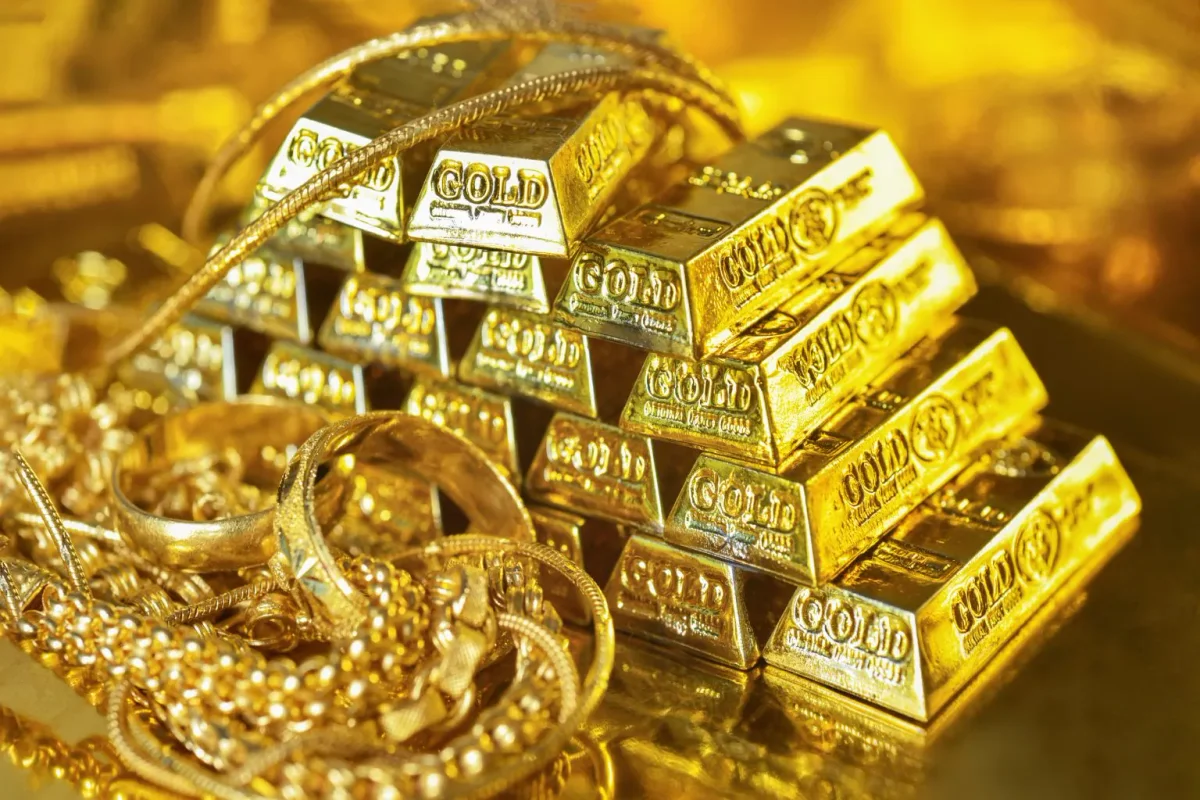
Gold in India is trading near ₹1.48 lakh per 10 grams (24K), yet retail buyers across cities are paying noticeably different prices for the same metal. This contradiction reveals a deeper reality: gold pricing in India is not just global but hyper-local. In this article, you will understand exact city-wise prices, why they differ, and what smart investors should do next.
As of early April 2026, 24K gold is around ₹14,896 per gram and 22K gold is ₹13,654 per gram nationally, showing minor daily fluctuations.
This stability after recent volatility signals one key shift: gold is transitioning from a breakout phase to a consolidation phase. The implication is critical. When gold consolidates near highs, it often precedes another directional move, not a reversal.
Gold prices vary slightly across cities due to taxes, logistics, and demand intensity.
The spread between cities is typically ₹50–₹200 per gram, which may look small but translates to ₹5,000–₹20,000 difference on 100g purchases. That gap directly impacts bulk buyers and investors.
Gold is globally priced but locally adjusted. Three factors create price differences:
Even a 1–2% variation in local taxes or transport cost creates price gaps between cities.
Cause-effect chain: Higher logistics cost → Higher jeweler margins → Higher retail gold price
Cities like Chennai and Mumbai see higher jewelry demand, pushing premiums upward during festive seasons. This creates temporary spikes that are not visible in national averages.
Different brands and local jewelers price gold differently based on inventory cycles. This explains why two shops in the same city can differ by ₹100+ per gram.
Gold’s current pricing is not random. It is driven by three macro forces:
Geopolitical tensions and economic instability increase gold demand as a safe haven.
Effect: More demand → higher futures → higher domestic prices
A weaker rupee increases import cost, directly raising gold prices in India. Even a ₹1 depreciation can push prices up by ₹100–₹150 per 10 grams.
When global central banks pause or cut rates, gold becomes more attractive compared to fixed-income assets. This shifts institutional money into gold.
If Chennai consistently trades above Delhi, it indicates stronger physical demand. That can be used as a demand indicator, not just a price difference.
MCX futures may rise 1%, but retail prices sometimes lag or overshoot. This lag creates short-term buying opportunities for informed investors.
22K jewelry gold includes making charges, meaning the real investment price is always higher than quoted rates. Many buyers underestimate this cost by 8–15%.
In March 2026, gold moved between ₹1.31 lakh and ₹1.69 lakh per 10 grams, showing extreme volatility within a short period.
This wide range highlights a critical pattern: gold is no longer a slow-moving asset. It behaves more like a momentum-driven commodity influenced by global triggers.
Short answer: likely, but not in a straight line.
These factors create structural demand that supports higher prices over time.
If interest rates stay high longer than expected, gold could stagnate despite global uncertainty. This contradicts the popular belief that gold always rises during crises.
Timing gold perfectly is difficult, but strategy matters more than timing.
Key takeaway: A ₹100 dip per gram may not matter long-term, but consistent accumulation does.
Gold can drop 0.5%–1% in a single session, which creates risk for short-term buyers entering at peaks.
Physical gold is not instantly liquid at market price due to spreads and deductions, which can reduce returns by 2–5%.
During peak rallies, retail buyers often pay inflated prices driven by fear of missing out, not fundamentals.
Gold prices in India are not just about global markets. They are a combination of local demand, currency movements, taxes, and investor psychology.
The biggest takeaway is this: Gold is no longer just a safe asset. It is a strategic asset that requires timing, understanding, and discipline.
If you understand city-wise pricing, macro triggers, and hidden costs, you gain an edge most buyers never realize.
That edge is what separates emotional buying from intelligent investing.
Financial journalist specializing in market analysis, stock research, and investment trends. Dedicated to providing accurate, timely insights for informed decision-making.
Credentials: Experienced financial journalist with expertise in equity markets and economic analysis
The information provided in this article is for educational and informational purposes only and should not be construed as financial, investment, or legal advice. welomoney does not provide personalized investment recommendations.
For detailed terms and conditions, please read our Disclaimer and Terms of Service.
No additional articles in this category yet.