Loading market data...
Sun, 13 Sept 2026
08:47:14 pm
Sun, 13 Sept 2026
08:47:14 pm
Synopsis
Oil prices today: Brent crude jumps above $95 as Iran closes the Strait of Hormuz after fresh U.S. strikes. Explore market impact, India risks, $100 oil outlook, sector analysis, FAQs, and expert forecasts.
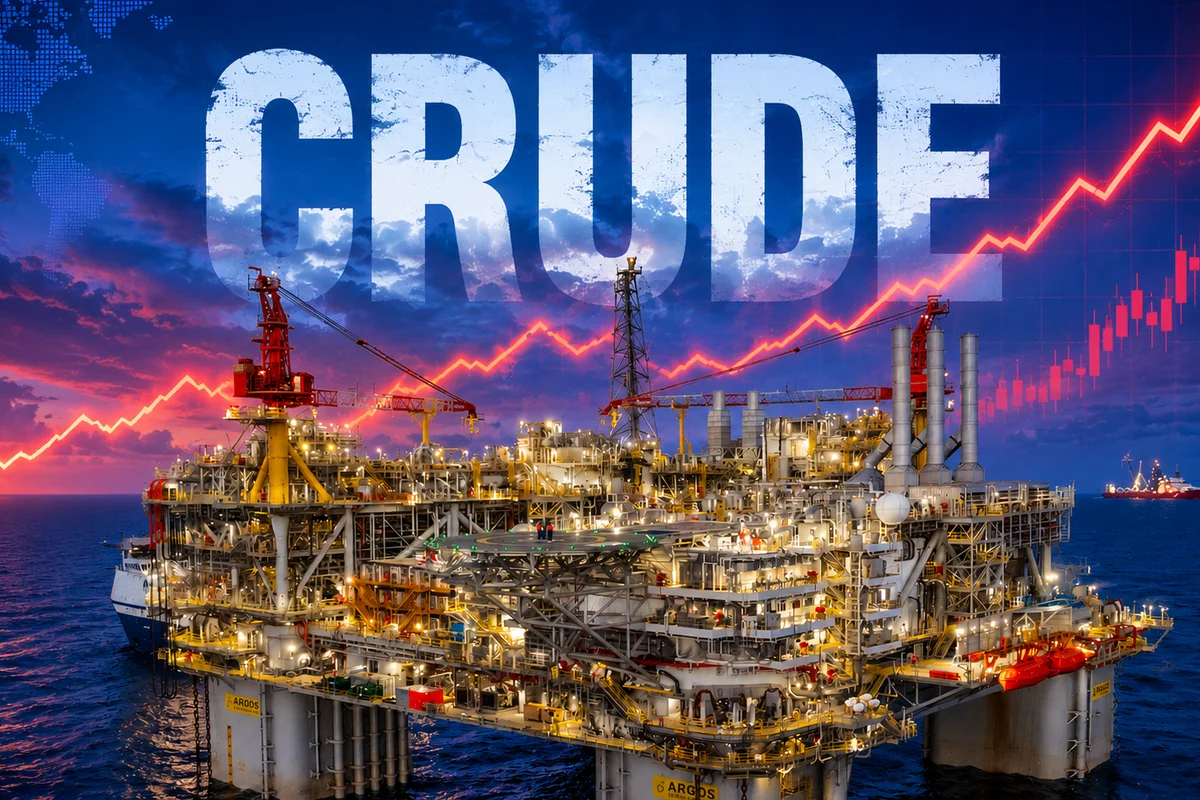
Global oil markets surged sharply on June 11, 2026, after Iran announced the closure of the strategically critical Strait of Hormuz following fresh U.S. military strikes on Iranian targets. Brent crude climbed above $95 per barrel, while WTI crude advanced beyond $92 per barrel, reigniting fears of a major global energy supply shock.
With nearly 20% of global oil and LNG shipments passing through the Strait of Hormuz, traders, governments, and energy companies are now closely monitoring developments. Analysts warn that if disruptions persist, crude oil could move toward $100 per barrel and potentially even $110-$150 per barrel under extreme scenarios.
| Metric | Value |
|---|---|
| Brent Crude | $95.40/barrel |
| WTI Crude | $92.63/barrel |
| Brent Daily Change | +2.47% |
| WTI Daily Change | +2.89% |
| Hormuz Oil Flow | ~20 Million Barrels/Day |
| Global Oil Supply at Risk | ~20% |
| Market Sentiment | Strongly Bullish |
| Volatility Level | Extremely High |
The latest rally in crude oil is being driven by escalating geopolitical tensions in the Middle East.
Iran's top military command announced the closure of the Strait of Hormuz and warned that vessels attempting to transit the route could face military action. The announcement followed fresh U.S. strikes targeting multiple locations inside Iran, significantly escalating tensions that had been simmering despite a fragile ceasefire agreement earlier this year.
For energy markets, this development represents one of the most serious supply threats since the Russia-Ukraine conflict and the 2019 Saudi oil facility attacks.
The Strait of Hormuz is one of the world's most strategically important energy chokepoints.
| Parameter | Details |
|---|---|
| Daily Oil Flow | ~20 Million Barrels |
| Share of Global Oil Trade | ~20% |
| LNG Shipments | Significant Global Share |
| Countries Dependent | India, China, Japan, South Korea, Europe |
| Strategic Importance | Highest Globally |
Every day, millions of barrels of crude oil from Saudi Arabia, Iraq, Kuwait, UAE, Qatar, and Iran pass through this narrow waterway.
Any disruption immediately raises concerns about global energy shortages and higher fuel prices.
| Event | Impact |
|---|---|
| U.S. Strikes Iranian Targets | Escalation |
| Iran Announces Hormuz Closure | Major Supply Shock |
| Threats Against Shipping | Increased Risk Premium |
| Oil Futures Rally | Bullish |
| Inventory Drawdowns Reported | Additional Support |
The latest developments have added a significant geopolitical risk premium to oil prices, causing traders to rapidly reassess supply availability over the coming weeks.
The biggest question facing markets today is whether crude oil can break through the psychologically important $100 per barrel level.
| Scenario | Brent Crude Target |
|---|---|
| Base Case | $95-$100 |
| Moderate Disruption | $100-$110 |
| Extended Hormuz Closure | $110-$130 |
| Severe Supply Crisis | $130-$150 |
Several brokerages and institutional analysts now believe a move above $100 is increasingly likely if shipping disruptions continue throughout June.
Morgan Stanley described the oil market as being in a "race against time," while several commodity analysts have warned that inventories may not be sufficient to absorb a prolonged supply interruption.
The current rally is not being driven solely by geopolitical headlines.
Fundamental supply-demand conditions were already tightening before the latest developments.
The U.S. Energy Information Administration reported a larger-than-expected decline in crude inventories.
| Metric | Actual |
|---|---|
| Weekly Drawdown | 7.2 Million Barrels |
| Market Expectation | 4 Million Barrels |
| Total Inventory | 426.5 Million Barrels |
The larger-than-expected inventory decline signals stronger demand and tighter supply conditions than previously anticipated.
India remains one of the most vulnerable major economies during oil price shocks due to its heavy dependence on imported crude oil.
| Metric | Value |
|---|---|
| Crude Import Dependence | >85% |
| Daily Consumption | ~5.5 Million Barrels |
| Major Import Sources | Middle East |
| Inflation Sensitivity | High |
Higher crude prices could place renewed upward pressure on petrol and diesel prices after recent stabilization.
Rising energy costs typically feed into transportation, logistics, manufacturing, and food prices.
Higher oil import bills generally increase dollar demand, potentially weakening the rupee.
Government subsidies and support measures may come under pressure if crude prices remain elevated.
| Sector | Impact |
|---|---|
| Upstream Oil Producers | Positive |
| Oil Exploration Companies | Positive |
| Energy Equipment Firms | Positive |
| Refiners with Inventory Gains | Positive |
| Sector | Impact |
|---|---|
| Airlines | Negative |
| Paint Companies | Negative |
| Chemicals | Negative |
| Logistics | Negative |
| Transportation | Negative |
| FMCG | Moderate Negative |
Currently, bullish factors significantly outweigh bearish influences.
While $150 oil is not the base-case scenario, it is no longer being dismissed by commodity strategists.
Most analysts still expect diplomatic and military efforts to prevent a worst-case outcome, but the risk premium has clearly increased.
These indicators will determine whether the current rally remains temporary or develops into a sustained energy crisis.
The oil market has entered one of its most sensitive phases in years. The closure of the Strait of Hormuz represents a major escalation in geopolitical risk and has immediately revived fears of a global energy supply disruption.
While Brent crude remains below the $100 mark for now, the probability of a breakout has increased materially. If the situation persists through June, markets may begin pricing in more severe supply shortages, potentially driving crude prices significantly higher.
For India, higher oil prices pose risks to inflation, fuel costs, fiscal stability, and market sentiment. Investors should closely monitor developments in the Middle East as the trajectory of crude oil prices could become one of the most important macroeconomic variables for global markets during the second half of 2026.
Oil prices are rising due to Iran's announcement of the closure of the Strait of Hormuz following fresh U.S. military strikes.
Brent crude is trading around $95.40 per barrel.
Yes. Many analysts believe Brent crude could test or exceed $100 if Hormuz disruptions continue.
The Strait handles approximately 20% of global oil and gas shipments, making it one of the world's most critical energy routes.
Higher crude prices can increase petrol and diesel prices, raise inflation, weaken the rupee, and impact economic growth.
Upstream oil producers and exploration companies generally benefit from rising crude prices.
Airlines, logistics, transportation, chemicals, and paint companies typically face margin pressure.
It is a possibility under an extreme scenario involving a prolonged Hormuz closure and broader regional conflict.
Investors should monitor Hormuz shipping activity, geopolitical developments, inventory data, OPEC actions, and crude oil price trends.

Financial journalist specializing in market analysis, stock research, and investment trends. Dedicated to providing accurate, timely insights for informed decision-making.
Credentials: Experienced financial journalist with expertise in equity markets and economic analysis
The information provided in this article is for educational and informational purposes only and should not be construed as financial, investment, or legal advice. welomoney does not provide personalized investment recommendations.
For detailed terms and conditions, please read our Disclaimer and Terms of Service.

Brent crude is near $110 as Hormuz and Red Sea disruptions tighten global supply. Here's what could drive oil toward $120 and how higher crude could...

Check petrol and diesel prices across India on September 9, 2026, including Delhi, Mumbai and other major cities.
Crude oil prices climbed for a fourth session as Middle East tensions raised supply concerns. See Brent, WTI and MCX crude prices and the risks ahead.
Petrol and diesel prices today across India, with state wise and city wise fuel rates, cheapest and costliest prices and latest petrol diesel updates.
Petrol and diesel prices today across India, including the cheapest and costliest states, major city fuel rates and how petrol and diesel prices are...