Loading market data...
Fri, 23 Oct 2026
02:02:37 pm
Fri, 23 Oct 2026
02:02:37 pm

Rudransh Sangwan
Published at: April 2, 2026, 10:12 AM
Synopsis
Crude oil above $100 is impacting Indian markets, inflation, rupee, and RBI policy. Here’s a complete breakdown of its economic impact in 2026.

Crude oil prices crossing the $100 per barrel mark have become a critical concern for the Indian economy and financial markets. As one of the world’s largest oil importers, India is highly sensitive to fluctuations in global energy prices.
When oil prices rise sharply, the impact is immediate and widespread. It affects inflation, currency stability, corporate profitability, and overall economic growth.
For example, India imports a significant portion of its crude oil requirements, which means higher global prices directly increase the country’s import bill.
This creates pressure across multiple sectors and increases uncertainty in financial markets.
The key takeaway is that crude oil is not just a commodity for India. It is a macroeconomic driver that influences almost every aspect of the economy.
One of the most direct effects of higher crude oil prices is rising inflation. Oil plays a central role in transportation, manufacturing, and energy costs.
When oil prices increase:
For instance, higher transportation costs lead to increased prices for everyday goods, affecting household budgets.
This creates a ripple effect across the economy, making inflation a key concern for policymakers.
The takeaway is that rising oil prices act as a primary driver of inflation in India.
Rising crude oil prices have a direct negative impact on stock markets. Higher oil prices increase costs for companies, reduce profit margins, and weaken investor sentiment.
Key market impacts include:
For example, sectors dependent on fuel or raw materials see immediate margin pressure when oil prices rise.
At the same time, investors become cautious, leading to selling in equities and increased volatility.
The takeaway is that crude oil acts as a major sentiment driver for Indian stock markets.
Another important effect of rising crude oil prices is the depreciation of the Indian rupee.
When oil prices increase:
For example, oil purchases are made in dollars, so higher prices require more dollar outflow from India.
A weaker rupee further increases import costs, creating a feedback loop that worsens inflation.
The takeaway is that crude oil prices and the rupee are closely linked.
Higher oil prices also impact government finances and fiscal planning.
Key implications include:
For instance, if the government chooses to absorb some of the price increase to protect consumers, it directly impacts fiscal health.
This limits the ability to invest in other sectors or implement growth-oriented policies.
The takeaway is that oil prices influence not just markets but also government decision-making.
The Reserve Bank of India closely monitors crude oil prices because of their impact on inflation and economic stability.
When oil prices remain high:
For example, if inflation rises due to higher oil prices, the RBI may choose to keep rates elevated to control price pressures.
This affects borrowing costs for businesses and consumers.
The takeaway is that crude oil indirectly shapes monetary policy decisions in India.
Rising crude oil prices do not impact all sectors equally. Some sectors benefit, while others face challenges.
For example, upstream oil companies may see higher revenues, while downstream and consumption-driven sectors face margin pressure.
The takeaway is that sectoral impact varies significantly depending on exposure to oil prices.
Investors need to adapt their strategies when crude oil prices remain elevated.
Recommended approach:
For example, diversification across sectors can help reduce risk during volatile periods.
The takeaway is that understanding macroeconomic drivers is essential for better investment decisions.
If crude oil continues to remain above $100, its impact on the Indian economy will persist.
Possible outcomes include:
However, if global tensions ease and oil prices stabilize, markets may recover quickly.
The final takeaway is clear. Crude oil is currently one of the most powerful forces shaping India’s economic and market landscape in 2026.
Financial journalist specializing in market analysis, stock research, and investment trends. Dedicated to providing accurate, timely insights for informed decision-making.
Credentials: Experienced financial journalist with expertise in equity markets and economic analysis
The information provided in this article is for educational and informational purposes only and should not be construed as financial, investment, or legal advice. welomoney does not provide personalized investment recommendations.
For detailed terms and conditions, please read our Disclaimer and Terms of Service.
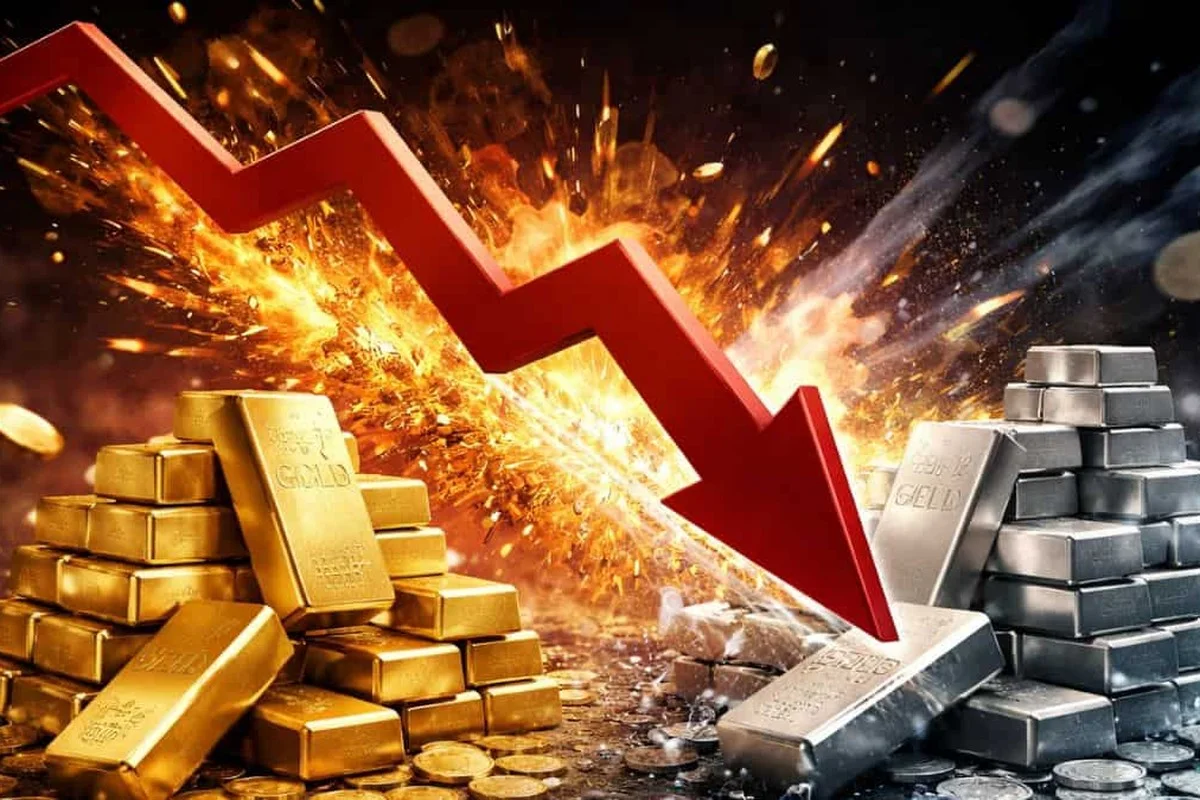
Gold and silver prices fell, with silver down 10% in October and at a seven month low. Rising crude and US rate uncertainty added pressure.
Gold and silver prices fell, with silver down 10% in October and at a seven month low. Rising crude and US rate uncertainty added pressure.