Loading market data...
Mon, 26 Oct 2026
06:51:00 pm
Mon, 26 Oct 2026
06:51:00 pm

Rudransh Sangwan
Published at: July 28, 2026, 6:56 AM
Synopsis
A leading retail stock fell nearly 6% after management's analyst meeting highlighted quick commerce pressure, slower same store sales growth and unchanged expansion guidance.
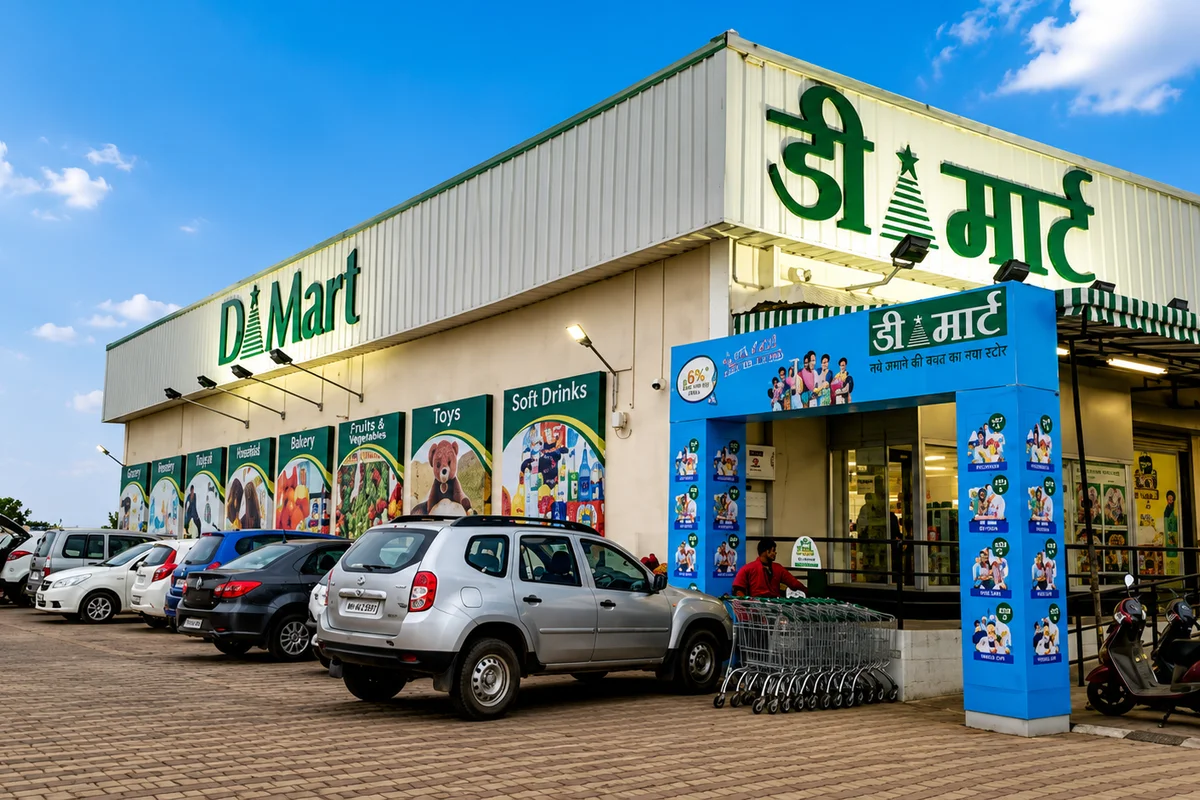
A leading Indian retail stock came under sharp selling pressure on Tuesday, with shares falling nearly 6% after management's interaction with analysts failed to reassure investors about slowing growth in mature stores and rising competition from quick commerce platforms. While the company maintained its store expansion plans, investors appeared more concerned about changing consumer behaviour and the increasing impact of rapid delivery services on traditional retail.
The decline reflects growing concerns across India's organised retail sector as 10 to 30-minute delivery platforms continue gaining market share in large metropolitan cities. Analysts believe quick commerce is gradually reducing footfall at large format supermarkets, particularly in urban markets where convenience has become a major purchasing factor.
Although the company's long term expansion strategy remains unchanged, investors were disappointed by the lack of any major positive surprises during the analyst meeting. Management reiterated existing guidance, but concerns over slower same store sales growth and intensifying competition continued to weigh on market sentiment.
Loading chart...
The stock fell nearly 5.9% during Tuesday's trading session after management held an analyst interaction following its recent quarterly results. While no major negative announcement was made, investors reacted to commentary indicating that the overall business trajectory remains broadly unchanged from earlier expectations.
Management reaffirmed plans to add 80 to 100 new stores, signalling continued confidence in long term expansion. However, analysts noted that an increasing proportion of these stores are likely to be leased rather than owned, reflecting changing capital allocation priorities as the company accelerates its store rollout.
| Metric | Value |
|---|---|
| Intraday Decline | 5.87% |
| Share Price | ₹3,791.30 |
| New Store Guidance | 80–100 Stores |
| Store Strategy | Higher Share of Leased Stores |
The biggest concern highlighted during the analyst discussion remains the rapid expansion of quick commerce across India's major cities. Platforms offering grocery deliveries within 10 to 30 minutes have significantly changed shopping behaviour, reducing customer visits to traditional supermarkets for everyday purchases.
Analysts believe metro cities are witnessing the greatest impact, where consumers increasingly prefer instant delivery over visiting large retail outlets. As quick commerce companies continue expanding product offerings and improving delivery speeds, competition for organised retailers is expected to intensify further.
Another factor affecting investor sentiment is the slowdown in same store sales growth, particularly across mature stores operating in established markets.
Although the company continues reporting healthy overall revenue growth through new store additions, sales growth from existing stores has remained below market expectations. Slower growth in mature locations is often viewed as an important indicator of underlying business momentum, making it a closely watched metric among investors.
Despite the weakness in the share price, the company's latest quarterly performance was not entirely disappointing. Revenue from operations increased to approximately ₹18,343.5 crore during Q1 FY27, reflecting continued expansion of its retail network and healthy consumer demand.
However, given the company's historically premium valuation, investors expected stronger operational momentum and faster earnings growth. The combination of slowing mature store performance and increasing competitive pressure from quick commerce platforms led many market participants to reassess near term growth expectations.
| Factor | Impact |
|---|---|
| Quick Commerce Expansion | Lower Store Footfall |
| Slower Same Store Sales Growth | Weak Operational Momentum |
| Premium Valuation | Higher Investor Expectations |
| Metro Market Competition | Margin Pressure |
| Limited Change In Guidance | No Positive Surprise |
Management reiterated its long term expansion strategy and continues targeting 80 to 100 new store additions, reflecting confidence in India's organised retail opportunity.
The company also indicated that leased stores will account for a larger share of future expansion. Increasing the proportion of leased properties allows faster rollout while reducing upfront capital investment, although investors will continue monitoring how this impacts profitability and return ratios over the longer term.
Going forward, investors are likely to focus on whether the company can accelerate same store sales growth while responding effectively to the rapid rise of quick commerce. The pace of new store openings, competitive pricing strategies, customer retention and operational efficiency will remain key factors influencing future earnings.
Developments in India's quick commerce industry are also expected to remain an important driver for organised retail valuations, particularly as consumer shopping preferences continue evolving.
Avenue Supermarts (DMart) shares declined nearly 6% after management's analyst meeting highlighted continued pressure from quick commerce, slower same store sales growth and limited changes to its existing business outlook. While the company maintained its target of opening 80 to 100 new stores, investors remained cautious about increasing competition from rapid grocery delivery platforms.
Despite reporting Q1 FY27 revenue of around ₹18,343.5 crore, concerns over mature store performance and premium valuations overshadowed the company's long term expansion plans. Investors will closely monitor future quarterly earnings, same store sales growth and the company's ability to compete effectively in India's rapidly evolving retail market.
The stock declined after management's analyst meeting highlighted continued pressure from quick commerce and slower same store sales growth, while offering no major change to earlier business guidance.
Yes. Management reiterated plans to add 80 to 100 new stores, with a higher proportion expected to be leased properties.
Rapid grocery delivery platforms are reducing customer footfall in traditional supermarkets, particularly across metro cities where instant delivery has become increasingly popular.
Yes. The company reported Q1 FY27 revenue of around ₹18,343.5 crore, continuing its double digit growth trajectory.
Investors expected stronger earnings momentum because of the company's premium valuation. Slower same store sales growth and increasing competition from quick commerce have raised concerns about future profitability.
Financial journalist specializing in market analysis, stock research, and investment trends. Dedicated to providing accurate, timely insights for informed decision-making.
Credentials: Experienced financial journalist with expertise in equity markets and economic analysis
The information provided in this article is for educational and informational purposes only and should not be construed as financial, investment, or legal advice. welomoney does not provide personalized investment recommendations.
For detailed terms and conditions, please read our Disclaimer and Terms of Service.

MCX shares fell 12% in a month as gold prices corrected. Jefferies retains its Buy rating, citing energy trading growth and a Rs 4,000 target.
Indian stocks on October 26: Jyoti Structures gains 10% on a Rs 949.35 crore order, while IDFC First Bank falls 3% as Goldman Sachs stays neutral.

LTTS share price rose 3.3% after a five year engineering and R&D deal with Nokia. The contract focuses on AI infrastructure and telecom innovation.
Biocon signs a deal with Janssen Sciences Ireland to commercialise Yesintek in nine more markets, subject to regulatory approvals.

AU Small Finance Bank and Ujjivan SFB shares fell as much as 6% despite strong Q2 FY27 profits. Check earnings, loan slippages and asset quality.