Loading market data...
Fri, 25 Sept 2026
11:44:51 pm
Fri, 25 Sept 2026
11:44:51 pm

Rudransh Sangwan
Published at: September 25, 2026, 2:20 PM
Synopsis
Sterlite Technologies has launched Neuralis fibre cables with up to 6,912 fibres, factory fitted connectors and options for large data centres.
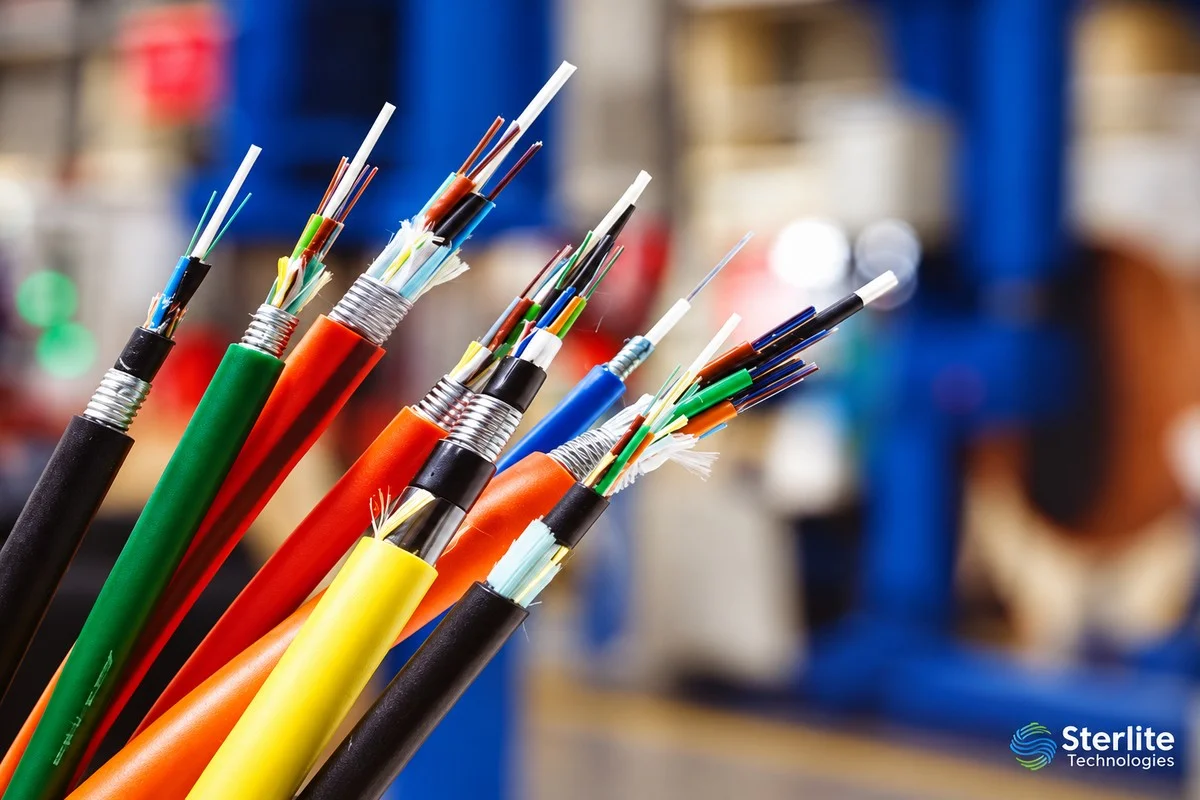
Sterlite Technologies Limited (STL) has added a new range of ready made fibre optic cables to its Neuralis data centre product range. The company announced the launch in an exchange filing on September 24.
The new cables are designed for large data centres that need to move growing volumes of data. STL said the range covers cables carrying between 48 and 6,912 optical fibres, with connectors fitted at the factory so they can be plugged in at the installation site.
The company said the ready made design can reduce the need for engineers to fit connectors manually during installation. The range also includes different connector options and fibre configurations for different data centre equipment.
Loading chart...
STL's new range is part of its Neuralis data centre product portfolio. The cables are available in different fibre counts, allowing data centre operators to select a configuration based on their connection requirements.
One of the product lines is designed for connections within a single data hall. It carries between 48 and 576 fibres and is available in cable thicknesses ranging from 5.8 mm to 12.2 mm, depending on the fibre count.
STL said this range meets the ANSI/ICEA S 83 596 and UL cable safety standards.
The broader product range goes up to 6,912 individual optical fibres. STL said the higher fibre counts are aimed at large data centre requirements where large amounts of data need to move between equipment.
The launch also adds to STL's existing focus on data centre connectivity. The company has previously raised capital to reduce debt and support growth, as covered in its earlier Sterlite Technologies QIP.
The main specifications disclosed by STL are:
| Particulars | Details |
|---|---|
| Product range | Neuralis data centre fibre cables |
| Fibre capacity | 48 to 6,912 fibres |
| Single data hall range | 48 to 576 fibres |
| Cable thickness | 5.8 mm to 12.2 mm |
| Fibre types | Single mode and multimode |
| Connector options | Multiple types and configurations |
| Safety standards | ANSI/ICEA S 83 596 and UL |
| Testing | Each cable tested before leaving the factory |
The fibre count is one of the main differences across the range. Lower fibre counts can be used for connections within a data hall, while higher capacity cables are intended for data centre networks that need to handle much larger volumes of optical connections.
STL said the cables are available in both single mode and multimode fibre. Multimode fibre is available for indoor use, while customers can choose configurations based on the equipment and connection requirements.
A major feature of the new range is that the cable ends are fitted with connectors at the factory.
In a conventional installation process, connectors may need to be fitted at the site. STL's ready made cables are supplied with the connectors already attached. Engineers can therefore connect the cables at the data centre without carrying out the same connector fitting process on site.
STL said every cable is tested before it leaves the factory. Customers can also choose higher performance connector options when lower signal loss is required.
The company has also used a patented technology that colour codes the fibres. STL said this makes individual fibres easier to identify and splice during installation.
That feature becomes more relevant as fibre counts increase. A cable carrying thousands of individual fibres can require careful identification during installation and maintenance. Colour coding is intended to help engineers identify the required fibres during these processes.
Data centres rely on optical fibre to move information between equipment. As the number of connections increases, cable capacity and installation requirements become more important.
STL's new range covers a wide span of fibre counts, from 48 fibres to 6,912 fibres. This allows the same product family to address smaller internal data hall connections as well as much larger connectivity requirements.
The factory fitted connectors are another part of the product design. STL said they allow engineers to plug the cables in at the site instead of fitting connectors manually.
The company has not disclosed revenue expectations, order values or financial targets linked specifically to the new product launch in the supplied information. There is also no information on the number of customers that have adopted the new range.
STL said customers can choose from different connector types and configurations. The cables are also available in single mode and multimode fibre options, depending on the application.
The company said higher performance connector options are available for customers looking for lower signal loss. Each cable is tested before it leaves the factory.
The product range therefore combines several specifications that can be selected according to the requirements of a data centre. These include fibre count, connector configuration and fibre type.
The colour coding technology is another part of the installation process. STL said it helps with fibre identification and splicing, which can be important when working with high fibre count cables.
The launch places STL's data centre connectivity products alongside other technology companies serving infrastructure linked to data and computing. WeloMoney has also covered developments involving technology companies and QIP activity, including businesses linked to data infrastructure.
However, the supplied information does not provide a market size estimate, expected sales contribution or specific demand forecast for STL's new cables. Those figures cannot be established from the announcement alone.
The company has instead highlighted the technical specifications of the products and their intended use in large data centre environments.
For STL, the next relevant information would include how the new product range translates into commercial orders and revenue. The supplied announcement does not provide an order book figure or sales guidance linked to the launch.
Investors can monitor:
STL's announcement also does not provide a specific timeline for revenue contribution from the new cables. Any assessment of their financial impact would therefore require subsequent company updates.
Sterlite Technologies Limited is the company behind the Neuralis data centre product range described in the announcement. The supplied information identifies the new products as ready made fibre optic cables designed for data centre connectivity.
The range includes configurations from 48 to 6,912 optical fibres, with factory fitted connectors, different connector choices and single mode or multimode fibre options.
The company said the cables are tested before dispatch and include a patented colour coding technology intended to make fibre identification and splicing easier during installation.
Sterlite Technologies has launched a new range of ready made fibre optic cables under its Neuralis data centre product range. The cables are designed for data centre connectivity and carry between 48 and 6,912 optical fibres.
The new STL cables can carry between 48 and 6,912 individual optical fibres. A separate range designed for connections within a single data hall carries between 48 and 576 fibres.
STL's new fibre cables come with connectors fitted at the factory. The company said this allows engineers to plug them in at the installation site without fitting the connectors manually.
The STL range is available with single mode fibre and, for indoor use, multimode fibre. Customers can also choose from different connector types and configurations.
The STL cables designed for connections within a single data hall meet ANSI/ICEA S 83 596 and UL cable safety standards. The cables range from 5.8 mm to 12.2 mm in thickness depending on fibre count.
STL said every cable is tested before leaving the factory. The company also provides higher performance connector options for customers seeking lower signal loss and uses colour coding to help with fibre identification and splicing.
Financial journalist specializing in market analysis, stock research, and investment trends. Dedicated to providing accurate, timely insights for informed decision-making.
Credentials: Experienced financial journalist with expertise in equity markets and economic analysis
The information provided in this article is for educational and informational purposes only and should not be construed as financial, investment, or legal advice. welomoney does not provide personalized investment recommendations.
For detailed terms and conditions, please read our Disclaimer and Terms of Service.

Lemon Tree Hotels will develop a 172 room Bandra hotel after buying land for Rs 120 crore, while a new 90 room Patancheru hotel expands its Telangana...

Dixon Technologies is expanding into IT hardware, data centres and defence as it targets the global top five.
Cubex Tubings shares gain 74% in four sessions after a Rs 135 crore fundraising plan. The EGM is scheduled for October 28, 2026.

Texmaco Rail shares gained 60% in FY27. Ventura Securities sees 32% upside to Rs 165 after a technical breakout, with Rs 102 stop loss.

SPR Auto Technologies shares rose nearly 49% in six months. Motilal Oswal retained a Buy rating with a Rs 6,150 target, citing growth and margins.