Loading market data...
Sun, 19 Jul 2026
03:15:29 am
Sun, 19 Jul 2026
03:15:29 am
Synopsis
IndiGo expands Navi Mumbai network with 30+ routes and launches Bhavnagar flights. Discover key details, routes, and aviation impact.
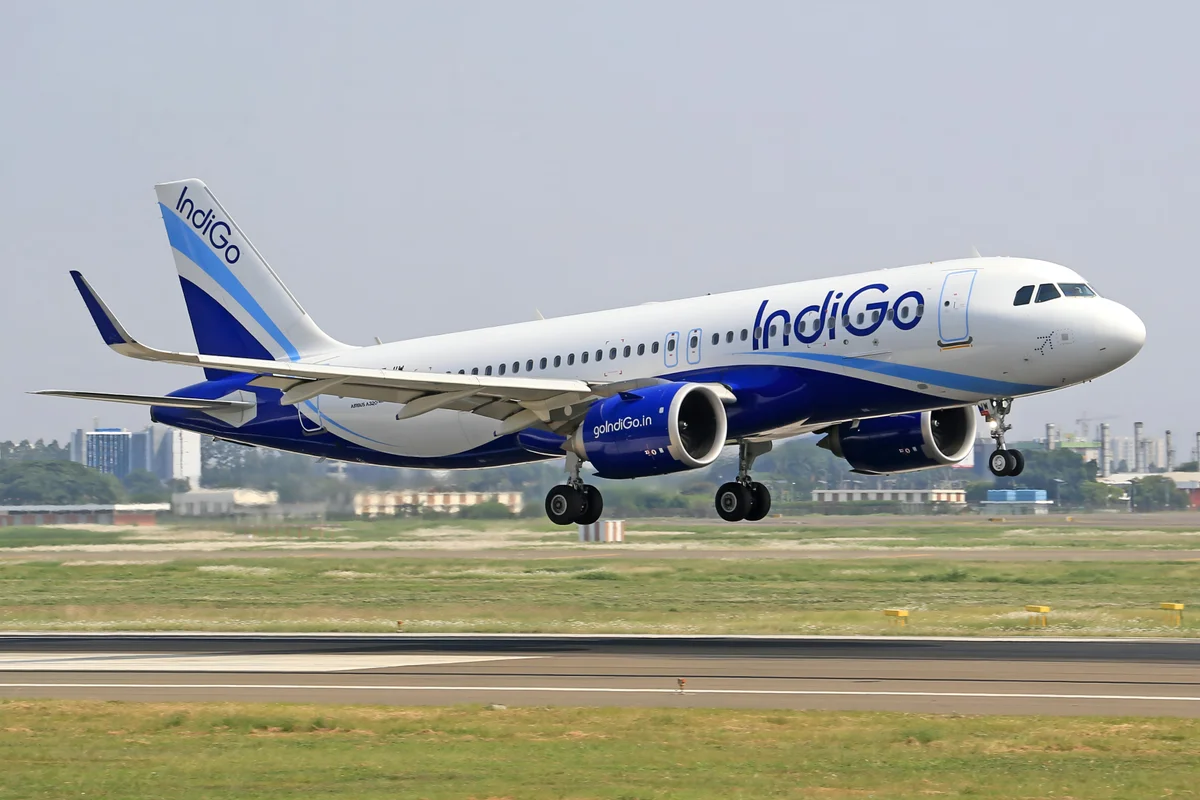
IndiGo has significantly expanded its operations from Navi Mumbai, adding over 30 new routes as part of its broader network growth strategy. This move comes at a time when India’s aviation sector is witnessing strong demand and rapid infrastructure expansion.
The airline plans to scale its presence at Navi Mumbai Airport from a limited network to a much larger operational hub. Weekly departures are expected to rise sharply, reflecting IndiGo’s aggressive push to strengthen domestic connectivity.
This expansion is not just about adding flights. It represents a strategic shift toward decentralizing air traffic from traditional hubs like Mumbai and Delhi.
The key takeaway is clear. Navi Mumbai is emerging as a major aviation hub, and IndiGo is positioning itself early to capture future growth.
A key highlight of this expansion is the launch of direct flights between Bhavnagar and Navi Mumbai.
IndiGo has started direct flights connecting Bhavnagar in Gujarat with Navi Mumbai from March 29, 2026.
This makes Bhavnagar one of IndiGo’s important domestic destinations, strengthening its presence in western India.
Bhavnagar is a key industrial and trade hub, especially known for:
Direct connectivity to Navi Mumbai enhances access to a major financial and aviation hub, benefiting business travelers and boosting tourism.
The takeaway is regional growth. Better air connectivity directly supports local economies.
IndiGo’s expansion from Navi Mumbai is not limited to one or two routes. It is part of a much larger network strategy.
The airline is increasing its route network significantly:
This makes Navi Mumbai one of the fastest-growing aviation hubs in the country.
Some of the routes include:
These routes focus on both metro connectivity and regional access, creating a balanced network.
The takeaway is connectivity boost. IndiGo is building a strong network that connects smaller cities to major hubs.
The rapid expansion of routes is closely linked to the strategic importance of Navi Mumbai Airport.
Mumbai’s primary airport has been operating near full capacity.
The Navi Mumbai airport helps:
This allows airlines like IndiGo to expand without constraints.
Navi Mumbai offers:
It is designed to handle future passenger growth and cargo demand.
The takeaway is future readiness. Navi Mumbai is built to support long-term aviation expansion.
The expansion of routes has multiple benefits beyond just aviation.
With more routes:
Direct flights eliminate the need for multiple connections, making travel smoother.
Improved connectivity supports:
For cities like Bhavnagar, this can lead to increased economic activity.
The takeaway is economic multiplier effect. Aviation growth drives broader development.
IndiGo’s expansion reflects a larger trend in India’s aviation industry.
India is one of the fastest-growing aviation markets globally.
Factors driving this growth include:
Airlines are responding by adding more routes and capacity.
There is a strong focus on connecting Tier 2 and Tier 3 cities.
This aligns with broader efforts to improve regional air travel and accessibility.
IndiGo’s use of ATR aircraft for short routes highlights this shift.
The takeaway is structural growth. The aviation sector is expanding beyond metro cities.
IndiGo’s addition of over 30 routes from Navi Mumbai, along with the launch of Bhavnagar flights, marks a significant milestone in India’s aviation growth story.
The move strengthens regional connectivity, supports economic development, and positions Navi Mumbai as a key aviation hub for the future.
As demand for air travel continues to rise, such expansions will play a crucial role in shaping India’s transportation infrastructure.
For passengers and businesses alike, this is a step toward faster, more efficient, and more connected travel.

Financial journalist specializing in market analysis, stock research, and investment trends. Dedicated to providing accurate, timely insights for informed decision-making.
Credentials: Experienced financial journalist with expertise in equity markets and economic analysis
The information provided in this article is for educational and informational purposes only and should not be construed as financial, investment, or legal advice. welomoney does not provide personalized investment recommendations.
For detailed terms and conditions, please read our Disclaimer and Terms of Service.
Yes Bank Q1 FY27 results: Net profit rises 34% to ₹1,071 crore, NII grows 17.5%, NIM improves to 2.

Defence and aerospace stocks where FIIs increased their stake in Q1 FY27, including IdeaForge, Paras Defence, Astra Microwave, Avantel and Krishna...

VST Tillers plans to invest over ₹160 crore in AI, electric farm equipment, a Global Technology Centre and global expansion while launching up to 20...

Time Technoplast wins a ₹38.14 crore HPCL order to supply 1.4 lakh Type IV Composite LPG cylinders through GeM, strengthening its position in India's...

Nutricircle signs an MoU with the Tripura Government to develop a ₹100–130 crore BioNutrition Valley focused on plant proteins, functional foods, and...