Loading market data...
Tue, 27 Oct 2026
08:47:17 am
Tue, 27 Oct 2026
08:47:17 am

Rudransh Sangwan
Published at: October 27, 2026, 5:19 AM
Synopsis
Defence stocks BEL, HAL and BDL could benefit from Rs 2.12 lakh crore DAC approvals, with domestic procurement and future order awards in focus.
The short version
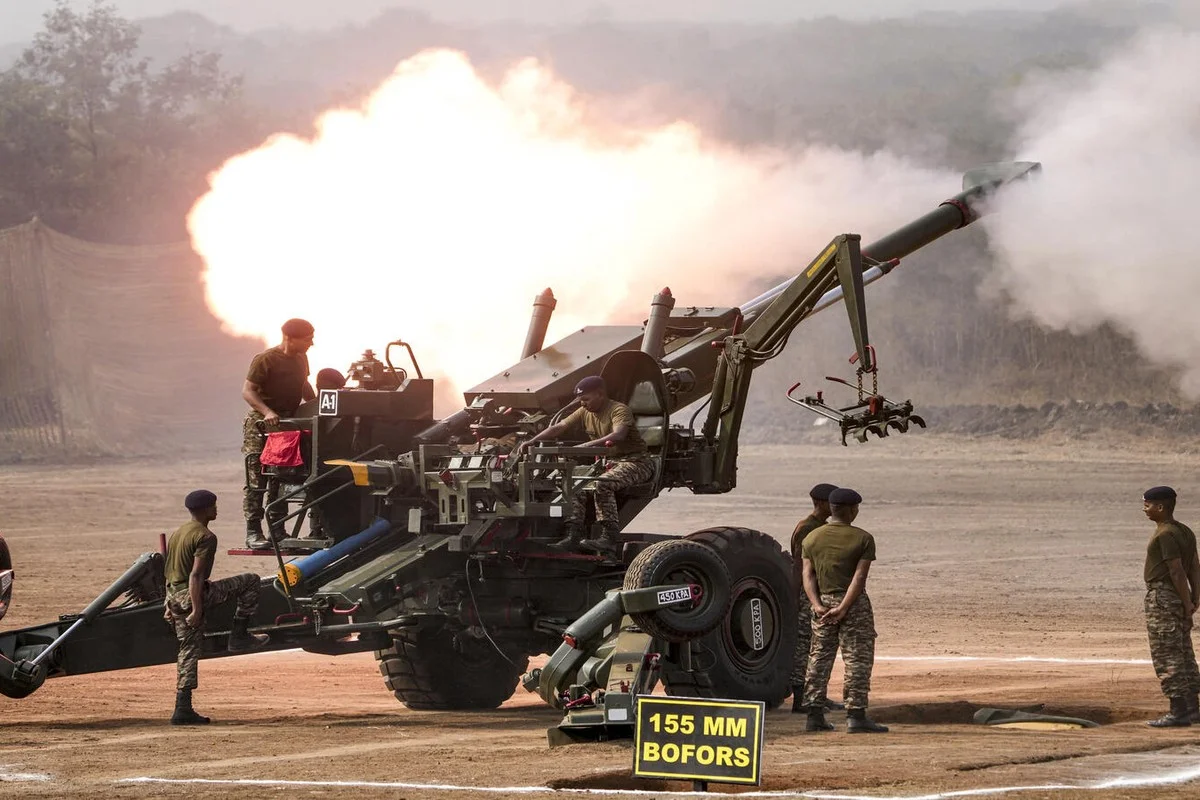
India's defence sector has received a fresh procurement push, with the Defence Acquisition Council (DAC) approving proposals worth Rs 2.12 lakh crore for the Army, Navy and Air Force. Bharat Electronics (BEL), Hindustan Aeronautics (HAL) and Bharat Dynamics Limited (BDL) are among the companies that could gain from the planned purchases.
The approvals cover military equipment ranging from helicopters and artillery systems to surveillance drones and counter drone technology. Kotak Neo expects the latest proposals to translate into order accruals largely during FY2028 to FY2030, which means the financial benefits may take time to reach company order books and results.
Defence Minister Rajnath Singh chaired the council meeting. Brokerages Kotak Neo and Goldman Sachs identified several public sector defence manufacturers that could benefit, although the final allocation of contracts will depend on subsequent procurement steps.
The approved proposals cover equipment requirements across India's three armed services. The package includes land systems, aviation equipment, air defence technology, unmanned platforms and naval capabilities. Kotak Neo said around 82% of the proposed procurement value is earmarked for domestic industry, creating potential business for Indian manufacturers and suppliers.
The equipment under consideration includes:
The mix differs from the September procurement package, which was more focused on land mobility. Kotak Neo said the latest proposals place greater emphasis on unmanned systems, counter unmanned aerial systems, short range air defence and helicopters, alongside indigenous naval platforms.
This change matters because different equipment categories involve different manufacturers and supply chains. A package that includes helicopters, electronic systems, missile related equipment and drones can create opportunities across several parts of the defence sector. However, the value of the overall clearance does not indicate how much revenue any individual company will earn.
BEL, HAL and BDL have different areas of exposure to the approved equipment programmes. Kotak Neo identified BEL as the company with the broadest exposure across the items in the package. HAL could benefit from two helicopter programmes, while BDL may gain from air defence equipment and weapons related to the Indian Air Force.
Goldman Sachs also identified Hindustan Aeronautics, Bharat Electronics, Mazagon Dock Shipbuilders and BEML as potential beneficiaries. Its assessment pointed to combat equipment for the Army and Navy, along with helicopter programmes that could support HAL.
| Company | Potential area of exposure |
|---|---|
| Bharat Electronics | Broad exposure across multiple approved equipment categories |
| Hindustan Aeronautics | Two helicopter programmes |
| Bharat Dynamics | VSHORADS, Indian Air Force weapons and the drone ecosystem |
| Mazagon Dock Shipbuilders | Potential opportunities linked to the approved procurement proposals |
| BEML | Potential opportunities linked to the approved procurement proposals |
These are potential areas of exposure identified by the brokerages, not confirmed contract awards. The procurement package does not specify the final order value for each company, and the eventual distribution of contracts could differ from initial expectations.
BEL was identified by Kotak Neo as having the widest exposure across the approved items. Its potential participation across multiple equipment categories could give it several routes to secure business as individual procurement programmes advance. However, the source does not provide a company specific order estimate or a confirmed allocation for BEL.
HAL could gain from two light multirole helicopter programmes included in the procurement plans. Goldman Sachs also identified these programmes as a potential source of business for the aircraft manufacturer. The scale of any benefit will depend on the final requirements, contract terms and the timing of orders.
BDL could benefit from the proposed very short range air defence systems, Indian Air Force weapons and the wider drone ecosystem. These areas link the company to the package's emphasis on air defence and unmanned systems. The approvals alone, however, do not establish how much additional business BDL will secure.
The domestic allocation is one of the main figures in the package. With around 82% of the proposed procurement value earmarked for Indian industry, local manufacturers could receive opportunities across equipment production and related supply chains.
For listed defence companies, the effect will depend on their role in each programme. Some may supply complete platforms, while others may provide electronic equipment, weapons or supporting systems. The overall procurement value cannot be treated as revenue available to listed companies because the package covers several programmes and potential suppliers.
Investors following the sector have also been tracking other defence procurement proposals. Earlier WeloMoney coverage examined defence companies linked to drone deal prospects and stocks linked to India's airship programme. Those developments provide further context for the range of equipment programmes being considered within India's defence manufacturing sector.
An Acceptance of Necessity (AoN) is an in principle clearance that begins the defence acquisition process. It allows a proposal to move forward, but it does not mean that a purchase contract has been signed or that a manufacturer has received an order.
That distinction is important when assessing the possible effect on BEL, HAL, BDL and other defence stocks. A procurement approval worth thousands of crores may attract market attention, but companies can add the related business to their order books only after the relevant procurement process leads to contracts.
Kotak Neo said the latest clearance was the largest DAC approval package of FY27 so far. It also estimated that the approvals would nearly double the financial year to date AoN value to Rs 3.7 lakh crore. This figure refers to the value of clearances, not the value of contracts already awarded to companies.
The expected timing also matters. Kotak Neo expects order accruals from the latest package to materialise largely during FY2028 to FY2030. Until individual contracts are awarded, investors cannot determine the exact revenue contribution, execution schedule or profit margin for each manufacturer.
The package expands the range of proposed defence purchases, with a greater emphasis on unmanned platforms, counter drone capabilities, short range air defence and helicopters than the September package described by Kotak Neo. Domestic manufacturers could compete for opportunities across these categories, depending on their technical capabilities and the requirements of each programme.
The proposed domestic share gives Indian suppliers a substantial role in the planned purchases. However, the benefits will not necessarily be spread evenly across the listed sector. Contract eligibility, the final equipment specifications and the eventual selection of suppliers will determine which businesses receive orders.
For investors, the distinction between procurement clearance and confirmed orders remains central. A large approval can indicate future demand, but the financial impact becomes clearer only when companies disclose awarded contracts and their expected execution schedules.
The next stage is the movement from procurement clearance to individual contracts. Investors tracking BEL, HAL, BDL, Mazagon Dock Shipbuilders and BEML can monitor the following developments:
Order announcements will help establish which companies benefit directly from the package. Revenue and earnings contributions will depend on the timing of deliveries and contract execution. The FY2028 to FY2030 period identified by Kotak Neo provides the expected broad timeframe for order accruals, although individual programmes may progress at different rates.
The Defence Acquisition Council approved procurement proposals worth Rs 2.12 lakh crore for the Army, Navy and Air Force. The package covers helicopters, air defence systems, artillery equipment, drones and other military platforms. Around 82% of the proposed procurement value is earmarked for domestic industry.
BEL, HAL and BDL are among the potential beneficiaries identified by Kotak Neo. Goldman Sachs also identified Mazagon Dock Shipbuilders and BEML as companies that could benefit. Actual gains will depend on the contracts awarded to each manufacturer.
BEL is in focus because Kotak Neo identified it as having the broadest exposure across the approved equipment categories. However, the procurement clearance does not confirm a specific order value for BEL.
HAL could benefit from two helicopter programmes, while BDL could gain from VSHORADS, Indian Air Force weapons and the drone ecosystem. The final business opportunity for both companies will depend on subsequent contract awards and procurement decisions.
Kotak Neo expects order accruals from the latest procurement proposals to materialise largely during FY2028 to FY2030. The timing of individual contracts may vary, and the approvals do not mean that orders have already been awarded.
No. DAC approval is an initial clearance in the defence acquisition process, and an Acceptance of Necessity does not confirm a contract award. Companies can establish the value of new business only as procurement progresses and specific contracts are awarded.
Kotak Neo estimates that the latest package will take the financial year to date value of AoN approvals to Rs 3.7 lakh crore. The figure measures the value of procurement proposals cleared in principle during the period. It should not be confused with money already spent by the government or fresh orders booked by defence companies.
This distinction affects how investors assess the numbers. Procurement proposals can move through further stages before contracts are signed, and the final value assigned to a supplier may differ from the initial estimate. Delivery schedules and contract execution will then determine when the business contributes to reported revenue.
The domestic procurement allocation also does not mean that the entire amount will flow to listed public sector companies. The proposals cover a range of military equipment, and the eventual beneficiaries will depend on the procurement decisions for each programme. Private manufacturers and other suppliers may also be part of the domestic supply chain.
For BEL, HAL, BDL, Mazagon Dock Shipbuilders and BEML, the next meaningful evidence will be company specific order announcements. Those disclosures can help investors assess how much of the approved spending is translating into confirmed business and when the resulting revenue may be recognised.
Financial journalist specializing in market analysis, stock research, and investment trends. Dedicated to providing accurate, timely insights for informed decision-making.
Credentials: Experienced financial journalist with expertise in equity markets and economic analysis
The information provided in this article is for educational and informational purposes only and should not be construed as financial, investment, or legal advice. welomoney does not provide personalized investment recommendations.
For detailed terms and conditions, please read our Disclaimer and Terms of Service.

Vodafone Idea shares rose 5.29% as Jefferies cut its target to Rs 16 from Rs 20. Subscriber trends, tariff hikes and network expansion shape its...
KFin Technologies received a Thailand Foreign Business License for its subsidiary on October 26, 2026, supporting overseas expansion without...

MCX shares fell 12% in a month as gold prices corrected. Jefferies retains its Buy rating, citing energy trading growth and a Rs 4,000 target.
Indian stocks on October 26: Jyoti Structures gains 10% on a Rs 949.35 crore order, while IDFC First Bank falls 3% as Goldman Sachs stays neutral.
LTTS share price rose 3.3% after a five year engineering and R&D deal with Nokia. The contract focuses on AI infrastructure and telecom innovation.