Loading market data...
Tue, 20 Oct 2026
04:59:01 pm
Tue, 20 Oct 2026
04:59:01 pm

Rudransh Sangwan
Published at: July 15, 2026, 4:06 AM
Synopsis
Nitin Gadkari defends India's E20 ethanol fuel policy, rejects conflict of interest allegations, says E20 does not damage engines, acknowledges minor mileage loss, and says consumers wanting pure petrol should pay more. Check the latest details and market impact.
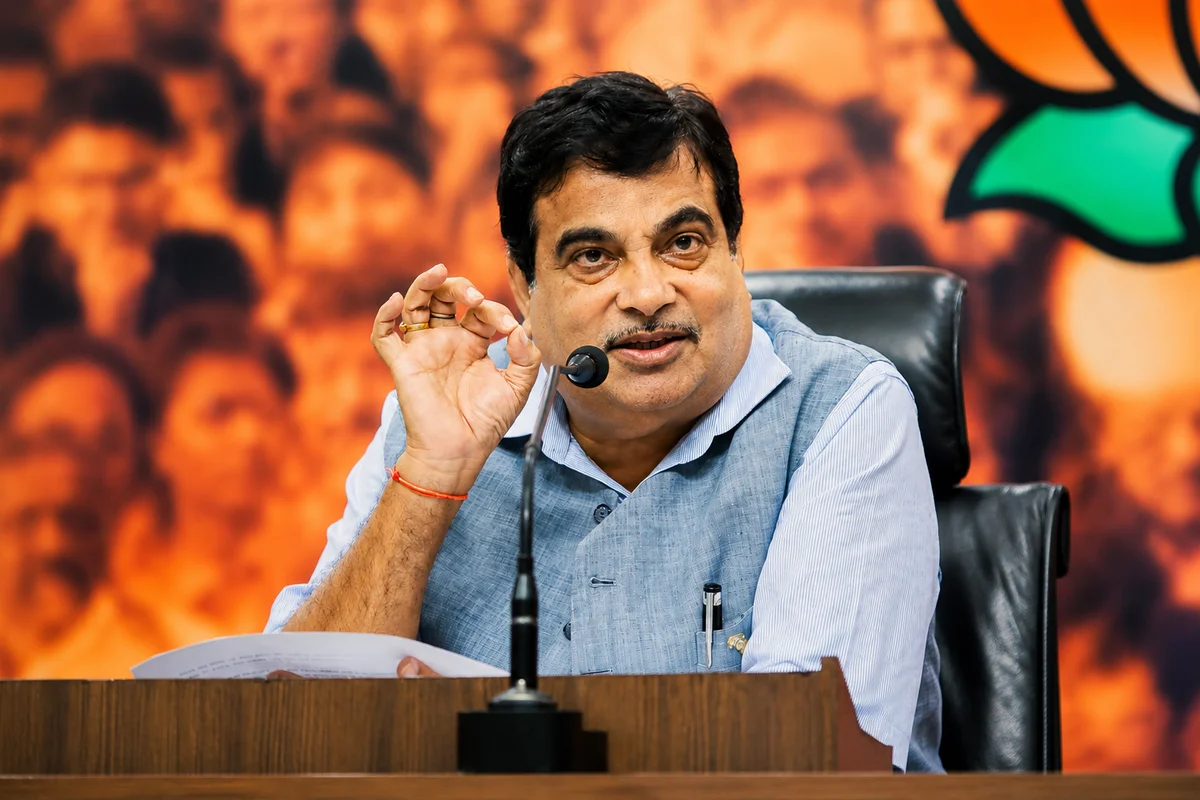
Union Minister for Road Transport and Highways Nitin Gadkari has strongly defended India's ethanol blending programme amid growing criticism over E20 fuel compatibility and mileage concerns. Rejecting allegations of personal interest and conflict of interest, Gadkari termed the campaign against ethanol as "politically motivated" and driven by misinformation. He emphasized that E20 fuel does not damage vehicle engines, acknowledged a minor reduction in mileage due to ethanol's lower calorific value, and stated that consumers who prefer 100% petrol can purchase it, but at a higher price. The minister reiterated that ethanol blending is a long-term national strategy aimed at reducing crude oil imports, lowering vehicular pollution, and supporting Indian farmers.
Union Minister Nitin Gadkari has mounted a strong defence of India's ethanol blending programme following weeks of intense debate surrounding E20 petrol. Addressing criticism over vehicle performance, engine safety, and allegations of personal gain, Gadkari said the campaign against ethanol was based largely on misinformation and political motivations rather than scientific evidence.
The minister highlighted that India's ethanol blending initiative did not originate under the current government but traces its roots back to the Atal Bihari Vajpayee administration. He noted that successive governments, including the UPA, had supported ethanol blending as part of India's broader energy security strategy.
According to Gadkari, the objective remains reducing India's dependence on imported crude oil while promoting cleaner fuels that can help lower urban pollution and create additional income opportunities for farmers.
| Particulars | Details |
|---|---|
| Minister | Nitin Gadkari |
| Issue | E20 Ethanol Blending Debate |
| Government Position | Continue promoting ethanol-blended fuel |
| Primary Objective | Reduce oil imports and vehicular pollution |
| Additional Benefit | Support farmer incomes through biofuel production |
One of the biggest concerns raised by motorists has been whether E20 petrol could damage vehicle engines or reduce engine life. Gadkari categorically rejected these claims, stating that no evidence has emerged to suggest E20 causes engine damage in compatible vehicles.
The minister said all vehicles certified for E10 fuel are capable of safely using E20 petrol. He also pointed out that automobile manufacturers continue to provide warranty coverage for vehicles operating on E20 fuel, indicating confidence in the fuel's compatibility.
According to Gadkari, the government has invited consumers to report any engine damage allegedly caused by E20 fuel, but no verified complaints have been received through official channels.
He further cited statements from automobile manufacturers, including Maruti Suzuki, which have publicly indicated that E20 fuel does not adversely affect vehicle engines.
| Parameter | Government Position |
|---|---|
| Engine Damage | No verified complaints |
| Vehicle Compatibility | E10-compatible vehicles can use E20 |
| Manufacturer Warranty | Continues on eligible vehicles |
| Official Consumer Complaints | None reported regarding engine damage |
While dismissing concerns about engine safety, Gadkari acknowledged that ethanol-blended petrol may result in a slight reduction in fuel efficiency due to ethanol's lower calorific value compared to conventional petrol.
According to the minister, the impact is generally negligible during city driving, where traffic conditions naturally reduce fuel efficiency. However, at sustained highway speeds, such as on expressways, motorists may observe a modest reduction in mileage.
He stressed that this trade-off should be viewed against the broader economic and environmental benefits of reducing fossil fuel consumption and lowering India's dependence on imported crude oil.
| Parameter | Impact |
|---|---|
| Engine Safety | No adverse impact reported |
| City Driving | Minimal mileage difference |
| Highway Driving | Slight reduction in fuel efficiency |
| Reason | Lower calorific value of ethanol |
Responding to allegations that his family's business benefits from India's ethanol programme, Gadkari strongly denied any personal involvement in ethanol procurement, pricing, or policy decisions.
He acknowledged that his family owns sugar factories managed by his sons but clarified that ethanol accounts for only a small portion of their overall business operations. According to Gadkari, the companies have significant debt and contribute less than 0.5% of India's total ethanol production, making allegations of undue influence baseless.
The minister emphasized that ethanol pricing and procurement decisions are handled by the Petroleum Ministry and approved by the Union Cabinet, leaving no scope for individual ministerial intervention.
| Issue | Minister's Clarification |
|---|---|
| Family Business | Operated by his sons |
| Share of Ethanol Business | Less than 0.5% nationally |
| Ethanol Share in Business | Around 10% of operations |
| Outstanding Debt | Approximately ₹1,600 crore |
| Pricing Authority | Petroleum Ministry and Union Cabinet |
Gadkari reiterated that ethanol represents only one component of India's broader clean mobility strategy. Over the years, he has consistently advocated multiple alternative fuel technologies, including methanol, hydrogen, electric mobility, compressed biofuels, and flex-fuel vehicles.
He explained that India's growing energy demand and dependence on imported crude oil make diversification essential for long-term energy security. Cleaner fuels also contribute to reducing urban air pollution, particularly in major metropolitan areas where vehicular emissions account for a significant share of overall pollution.
Beyond sugarcane, Gadkari highlighted that the government is actively promoting ethanol production from maize, rice, bamboo, and agricultural residue such as paddy stubble, creating additional income opportunities for farmers while addressing environmental challenges.
| Fuel Type | Objective |
|---|---|
| Ethanol | Reduce oil imports and emissions |
| Methanol | Cleaner transport fuel |
| Hydrogen | Zero-emission mobility |
| Electric Vehicles | Sustainable transportation |
| Biofuels from Crop Residue | Additional farmer income and waste utilization |
One of the most widely discussed remarks from Gadkari's interview was his statement regarding consumer choice.
The minister said consumers who prefer petrol without ethanol blending can purchase 100% petrol, but they should expect to pay a higher price because ethanol blending helps reduce overall fuel costs and India's crude oil import bill.
He explained that India has already achieved approximately 20% ethanol blending, making E20 fuel the standard petrol available across the country's retail fuel stations. While flex-fuel vehicle owners already have access to higher ethanol blends such as E85 at select outlets, introducing multiple petrol variants nationwide would depend on decisions by the Petroleum Ministry.
| Fuel Type | Availability |
|---|---|
| E20 Petrol | Available nationwide |
| E85 Petrol | Select fuel stations for flex-fuel vehicles |
| Pure Petrol | Possible at higher cost, subject to policy decisions |
| Decision Authority | Petroleum Ministry |
The government continues to position ethanol blending as a key pillar of India's energy transition strategy. By replacing a portion of imported petrol with domestically produced biofuels, India can reduce its crude oil import bill while simultaneously generating additional demand for agricultural produce.
Gadkari noted that maize farmers in states such as Bihar and Uttar Pradesh have benefited from higher demand, while initiatives involving bamboo in Assam and paddy stubble in Punjab and Haryana demonstrate how agricultural waste can be converted into valuable biofuels instead of contributing to pollution.
The minister also cited Brazil as an example of a country that has successfully operated ethanol-powered vehicles for decades without significant technical issues.
| Benefit | Impact |
|---|---|
| Lower Crude Oil Imports | Improves energy security |
| Reduced Pollution | Cleaner vehicle emissions |
| Farmer Income | Additional demand for agricultural feedstock |
| Crop Residue Utilization | Converts waste into fuel |
| Import Bill Reduction | Supports macroeconomic stability |
Apart from fuel policy, Gadkari also responded to criticism regarding the quality of national highways. He said the government maintains zero tolerance for poor construction quality and has personally reviewed hundreds of highway projects.
According to the minister, officials have been instructed to initiate strict action wherever contractors compromise on quality standards. He acknowledged that isolated issues may exist but maintained that India's highway infrastructure has improved significantly over recent years and continues to receive positive feedback.
| Measure | Purpose |
|---|---|
| Project Reviews | Monitor construction quality |
| Strict Action | Penalize contractors for poor work |
| Quality Monitoring | Continuous inspections |
| Government Policy | Zero tolerance for substandard construction |
India's ethanol blending programme is expected to remain a central element of the country's long-term energy strategy despite ongoing public debate. The government continues to view biofuels as an effective tool for reducing dependence on imported crude oil, lowering emissions, and supporting rural incomes. While discussions around vehicle compatibility and fuel efficiency are likely to continue, policymakers appear committed to expanding alternative fuel adoption alongside electric vehicles, hydrogen, and other clean mobility solutions.
Gadkari said E20 petrol does not damage vehicle engines and that misinformation surrounding ethanol blending is politically motivated. He acknowledged only a minor reduction in mileage during highway driving.
According to the minister, ethanol blending helps reduce fuel costs and India's oil import bill. Consumers who prefer petrol without ethanol blending may have to pay a higher price.
Yes. Gadkari admitted that E20 fuel may result in a slight reduction in fuel efficiency because ethanol has a lower calorific value than conventional petrol, although the impact is limited in city driving.
The government says ethanol blending helps reduce crude oil imports, lower vehicular emissions, improve energy security, and create additional income opportunities for farmers through biofuel production.
Financial journalist specializing in market analysis, stock research, and investment trends. Dedicated to providing accurate, timely insights for informed decision-making.
Credentials: Experienced financial journalist with expertise in equity markets and economic analysis
The information provided in this article is for educational and informational purposes only and should not be construed as financial, investment, or legal advice. welomoney does not provide personalized investment recommendations.
For detailed terms and conditions, please read our Disclaimer and Terms of Service.
Diwali Muhurat Trading 2026 is scheduled for November 8 from 2:20 PM to 3:30 PM. See NSE and BSE timings, pre-open session and market schedule.
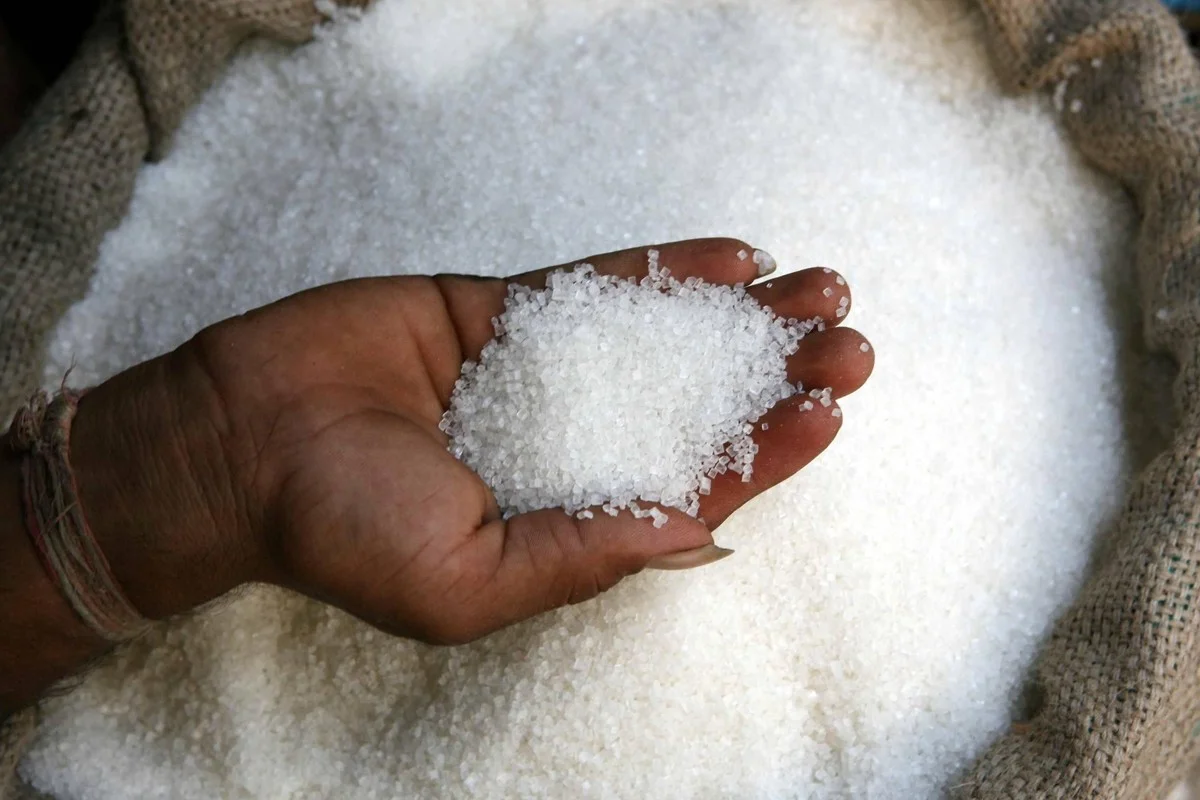
Sugar stocks fell up to 5.79% after the government barred sugarcane juice and syrup for FY27 ethanol procurement. Analysts flag earnings pressure.
NSE indices on October 16, 2026: Nifty IT rises 3.12%, Nifty 50 gains 0.49%, while Nifty FMCG, Capital Market and Bank indices decline.
India-US trade deal could influence Sensex, Nifty 50 and export stocks. Explore five sectors to watch and the key factors investors should track.
India agricultural growth may approach zero as El Niño threatens crops, with output potentially falling 4%.