Loading market data...
Mon, 14 Sept 2026
06:04:11 am
Mon, 14 Sept 2026
06:04:11 am
Synopsis
Lok Sabha has passed the Prevention of Insults to National Honour (Amendment) Bill, 2026, making insults to Vande Mataram a criminal offence. Here's what the new law says, the punishment, key provisions, government response and opposition objections.
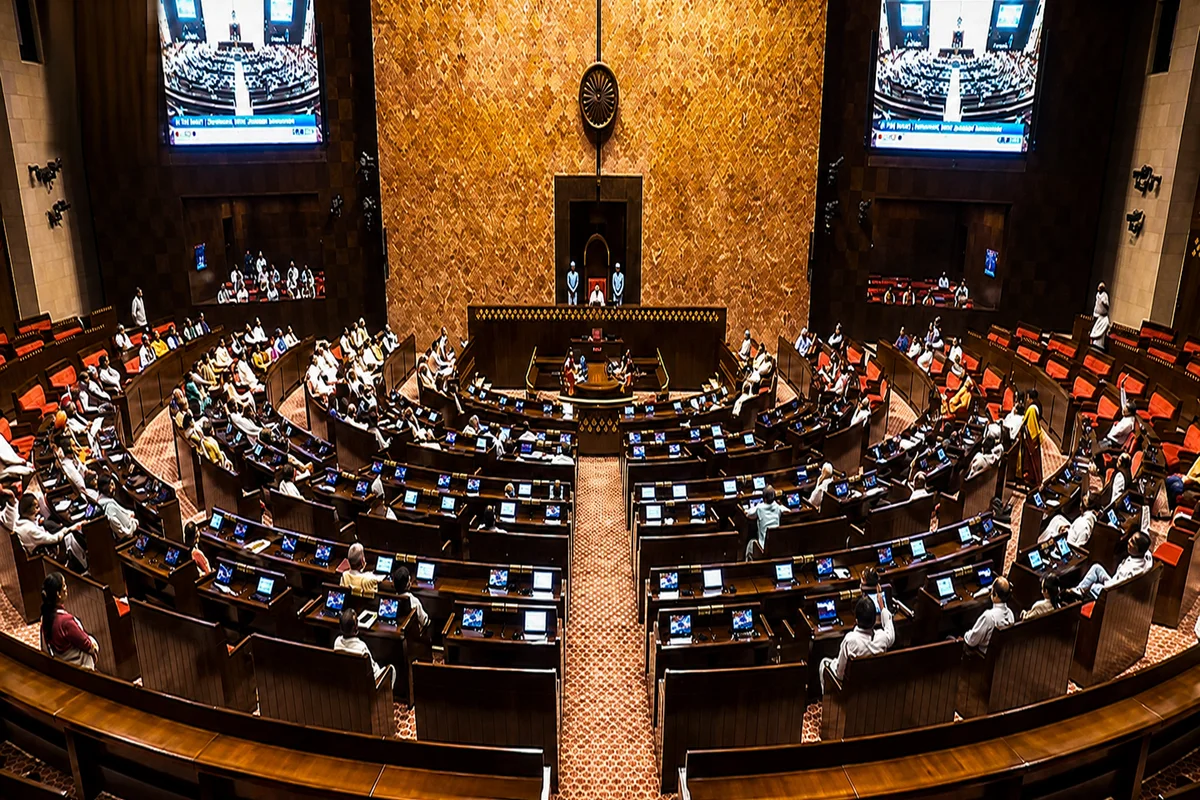
Parliament has approved a significant amendment to India's national honour laws after the Lok Sabha passed the Prevention of Insults to National Honour (Amendment) Bill, 2026, making any insult to Vande Mataram, India's national song, a punishable offence. The legislation seeks to place the national song on par with the National Anthem, Jana Gana Mana, by extending the protections available under the Prevention of Insults to National Honour Act, 1971. The move marks one of the most significant changes to India's national honour laws in recent years.
The bill was passed by voice vote in the Lok Sabha after a brief but heated debate between the ruling Bharatiya Janata Party (BJP) and opposition members. Having already received approval from the Rajya Sabha, it has become the first legislation to be passed by both Houses of Parliament during the ongoing Monsoon Session, despite repeated disruptions over several political issues.
The government said the amendment is intended to give Vande Mataram the legal recognition and protection it deserves because of its historic role in India's freedom movement. Opposition parties, however, argued that while respecting the national song is important, the legislation raises concerns regarding secularism, federalism and the scope of criminal penalties.
The Prevention of Insults to National Honour (Amendment) Bill, 2026 expands the scope of the existing law by bringing Vande Mataram under the same legal framework that currently protects the National Anthem. Until now, the Act primarily dealt with offences relating to Jana Gana Mana, including intentionally preventing its singing or disturbing official ceremonies where it is performed.
With the amendment, similar legal protection will now apply to the national song. Any deliberate insult, disruption or obstruction during the official singing of Vande Mataram may attract criminal action under the amended legislation. According to the government, the amendment does not alter the constitutional status of either the National Anthem or the National Song but simply ensures that both receive equal legal protection under the existing law.
| Provision | Earlier Law | After Amendment |
|---|---|---|
| National Anthem | Protected | Protected |
| Vande Mataram | No specific legal protection | Protected under the Act |
| Intentional insult | Punishable for National Anthem | Punishable for both National Anthem and National Song |
| Disturbing official singing | Punishable | Punishable |
The amendment extends the penalties already prescribed under the Prevention of Insults to National Honour Act to offences involving Vande Mataram. Anyone found guilty of intentionally insulting the national song, preventing its singing during official functions or disrupting an assembly engaged in singing it may face criminal prosecution.
The punishment structure remains unchanged from the existing law governing the National Anthem. A first conviction can result in imprisonment, a fine or both, while repeat offenders will face stricter mandatory punishment under the Act.
| Offence | Punishment |
|---|---|
| First Conviction | Up to 3 years imprisonment, fine, or both |
| Second or Subsequent Conviction | Minimum 1 year imprisonment |
Replying to the debate, Minister of State for Home Nityananda Rai said the amendment fills what the government considers a long-standing gap in India's national honour laws. He argued that despite Vande Mataram playing a pivotal role during the freedom struggle, previous governments failed to provide it with legal protection equal to that of the National Anthem.
Rai said the Narendra Modi government believes extending statutory protection to the national song reflects its vision of "Ek Bharat, Shreshtha Bharat" while strengthening national unity and preserving India's cultural heritage. He concluded his remarks in the Lok Sabha by raising the slogan "Vande Mataram."
The legislation was opposed by the Dravida Munnetra Kazhagam (DMK), which argued that the amendment raises constitutional, secular and federal concerns. During the debate, DMK MP K. Kanimozhi described the bill as a political measure introduced in the name of nationalism and questioned the need to impose criminal penalties relating to the national song.
She argued that India's founding leaders deliberately limited the official adoption of Vande Mataram to its first two stanzas and cautioned that expanding criminal provisions could create unnecessary controversy and social divisions. She also claimed that the amendment could conflict with the country's secular principles and federal structure. Following the rejection of opposition amendments, protests broke out in the House before proceedings were adjourned for the day.
BJP MP Sambit Patra defended the amendment, saying the national song had not received the respect it deserved during previous governments despite its historic contribution to India's independence movement. According to him, the legislation merely extends the same legal protection already available to the National Anthem without changing the constitutional status of either national symbol.
The BJP rejected allegations that the amendment was politically motivated, maintaining that its sole objective is to safeguard India's national honour and preserve respect for symbols associated with the country's freedom struggle.
The Prevention of Insults to National Honour (Amendment) Bill, 2026 has become the first legislation to be passed by both Houses of Parliament during the ongoing Monsoon Session. Its passage comes at a time when Parliament has witnessed repeated disruptions over several opposition protests, making the bill one of the session's most significant legislative achievements.
With parliamentary approval complete, the bill will now move to the next stage of the legislative process before becoming law. It will come into effect after receiving Presidential assent and being officially notified by the Central Government.
The amendment broadens the legal framework protecting India's national symbols by extending statutory safeguards to Vande Mataram alongside the National Anthem. Supporters say the move gives the national song the recognition and legal protection it deserves, while critics argue that aspects of the legislation warrant closer constitutional scrutiny.
Once it receives Presidential assent, the amended law will become enforceable across the country, making intentional insults to Vande Mataram punishable under the Prevention of Insults to National Honour Act.
The Lok Sabha passed the Prevention of Insults to National Honour (Amendment) Bill, 2026, extending legal protection to Vande Mataram.
The offence is punishable with up to three years' imprisonment, a fine, or both. Repeat offenders face a minimum one-year jail term.
Yes. The amendment extends the same legal protection available to Jana Gana Mana under the existing Act.
Opposition members argued that the legislation raises concerns relating to secularism, federalism and the interpretation of the national song.
The bill has been passed by both Houses of Parliament. It will become law after receiving Presidential assent and official notification.

Financial journalist specializing in market analysis, stock research, and investment trends. Dedicated to providing accurate, timely insights for informed decision-making.
Credentials: Experienced financial journalist with expertise in equity markets and economic analysis
The information provided in this article is for educational and informational purposes only and should not be construed as financial, investment, or legal advice. welomoney does not provide personalized investment recommendations.
For detailed terms and conditions, please read our Disclaimer and Terms of Service.

Apple's September 9 event starts at 10:30 PM IST. Check how to watch live, expected iPhone 18 Pro and Pro Max specs, foldable iPhone Ultra price and...

Claude and ChatGPT are competing for the lead in consumer AI, enterprise adoption and future AI growth as Anthropic gains ground with Claude.

iPhone 18 Pro Max launch date, expected India price, specifications, camera, display, battery, design, colours and latest leaks ahead of Apple's...

Azim Premji Scholarship 2026 registration ends today, August 31. Check eligibility, ₹30,000 scholarship amount, documents required, apply online...