Loading market data...
Wed, 22 Jul 2026
03:52:17 pm
Wed, 22 Jul 2026
03:52:17 pm

Rudransh Sangwan
Published at: March 25, 2026, 7:19 AM
Synopsis
Gold and silver prices surge as dollar weakens and rate cut bets rise. Discover the key factors driving today’s bullion rally and what it means for investors.
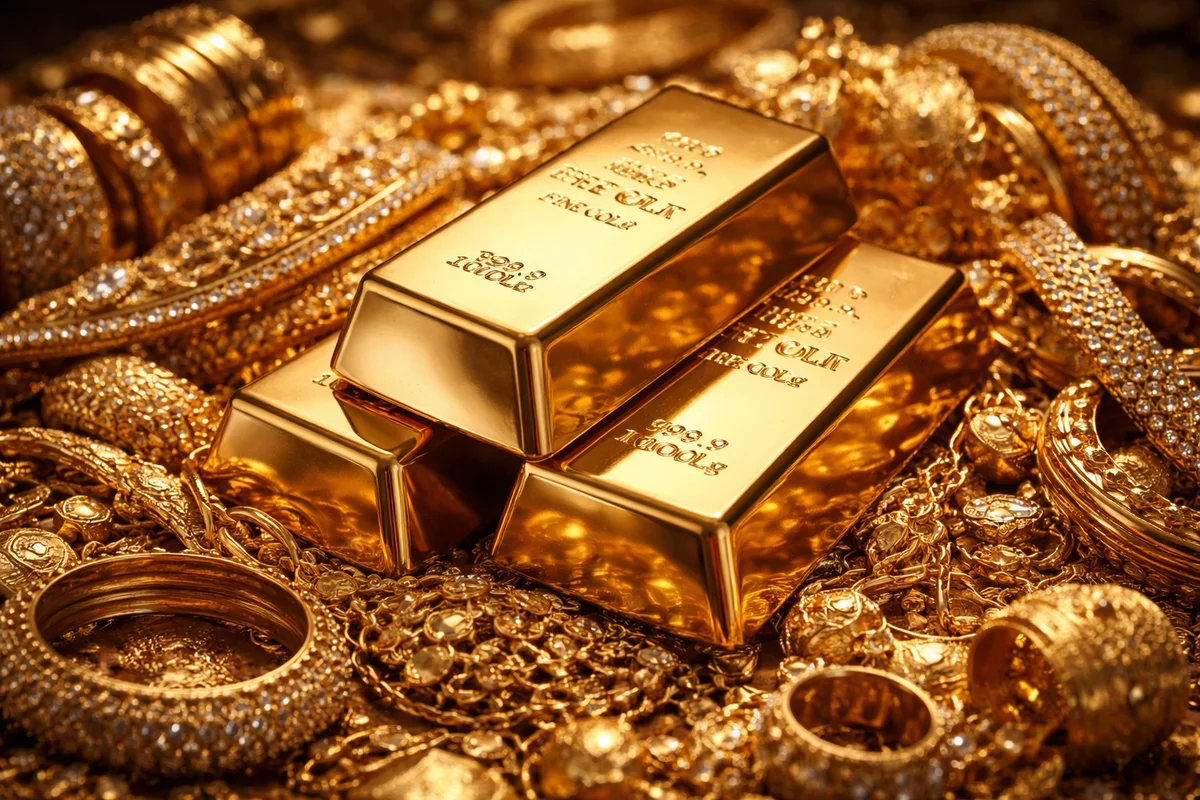
Gold and silver prices have surged sharply, attracting strong attention from investors across global markets. In India, gold prices have climbed significantly while silver has rebounded strongly, reflecting renewed momentum in the bullion market.
This rally is being driven by a mix of macroeconomic and geopolitical factors. One of the biggest triggers is the weakening of the US dollar, which makes precious metals more attractive globally. At the same time, expectations of interest rate cuts have boosted demand for safe haven assets like gold and silver.
For example, when uncertainty rises in financial markets, investors often shift toward bullion as a store of value. This trend is clearly visible in the current market environment.
The key takeaway is that bullion prices are rising due to a combination of global economic signals and shifting investor sentiment.
Gold and silver are traditionally seen as safe haven assets. When markets face uncertainty, investors move funds into these assets to protect their wealth.
In the current scenario, geopolitical tensions and economic uncertainty have increased risk aversion. This has led to higher demand for bullion.
For instance, during periods of volatility in equity markets, gold often acts as a hedge against losses.
The takeaway is that rising uncertainty directly increases demand for precious metals.
Gold prices have seen a strong upward move, reflecting consistent buying interest. At the same time, silver has shown a sharp rebound after recent corrections.
This indicates that both metals are benefiting from improving sentiment in the commodities market.
For example, silver often follows gold but tends to show sharper movements due to its industrial demand component.
The key takeaway is that both metals are moving in sync, supported by strong market fundamentals.
The US dollar plays a crucial role in determining global commodity prices. When the dollar weakens, gold and silver become cheaper for international buyers, increasing demand.
Recently, the dollar has shown signs of weakness, which has supported the rise in bullion prices. Investors are shifting away from the dollar and allocating funds into commodities.
For example, a weaker dollar reduces the cost of gold for buyers using other currencies, leading to higher demand.
The takeaway is that currency movements are a key driver of precious metal prices.
Gold is priced globally in US dollars. When the dollar falls, gold becomes more affordable for investors worldwide.
This increases buying activity and pushes prices higher. It also makes gold more attractive compared to other assets.
For instance, investors looking to diversify away from currency risk often choose gold as an alternative.
The key takeaway is that dollar weakness directly supports gold price growth.
Currency movements influence global investment flows. When the dollar weakens, capital tends to move into commodities and emerging markets.
This shift benefits both gold and silver, as investors look for alternative investment options.
For example, commodity-focused funds often increase exposure to bullion during periods of dollar weakness.
The takeaway is that currency trends play a major role in shaping commodity market dynamics.
Another major factor driving the bullion surge is the expectation of interest rate cuts by central banks. Lower interest rates reduce the opportunity cost of holding non-yielding assets like gold.
When interest rates are high, investors prefer interest-bearing assets such as bonds. However, when rate cuts are expected, gold becomes more attractive.
For example, falling rates can weaken bond yields, pushing investors toward bullion.
The takeaway is that expectations of monetary easing are a strong catalyst for gold and silver prices.
Gold and silver do not generate interest or dividends. However, when interest rates fall, this disadvantage becomes less significant.
Investors begin to prefer bullion as a store of value, especially during uncertain economic conditions.
For instance, lower borrowing costs can also increase liquidity, supporting higher demand for commodities.
The key takeaway is that rate cuts create a favorable environment for precious metals.
Central bank policies have a direct impact on market sentiment. Signals of easing policies often lead to increased demand for safe assets.
For example, when central banks indicate a shift toward lower rates, it boosts confidence in gold as a hedge against economic risks.
At Insight Edge, we usually recommend tracking central bank signals closely when analyzing commodity trends.
The takeaway is that policy expectations are a critical driver of bullion markets.
Crude oil prices also influence bullion markets through their impact on inflation. When oil prices stabilize or decline, it changes inflation expectations and investor behavior.
In the current scenario, easing oil prices have contributed to expectations of lower inflation. This has strengthened the case for interest rate cuts, indirectly supporting gold and silver.
For example, lower oil prices reduce input costs across industries, helping control inflation.
The takeaway is that oil price trends indirectly shape bullion demand.
Oil is a major driver of inflation. When prices rise, inflation increases, affecting the broader economy.
Conversely, when oil prices ease, inflation pressure reduces. This creates a more stable economic environment.
For instance, lower inflation can lead to policy changes that support commodity markets.
The key takeaway is that oil and inflation are closely linked.
Gold is often used as a hedge against inflation. When inflation is expected to rise, demand for gold increases.
However, even when inflation stabilizes, expectations of policy easing can still support gold prices.
For example, investors may buy gold in anticipation of future economic changes.
The takeaway is that both inflation and policy expectations influence bullion demand.
The current rally in gold and silver highlights the importance of macroeconomic factors in commodity markets. Investors are increasingly turning to bullion as a hedge against uncertainty.
For long-term investors, this trend reinforces the value of including gold and silver in a diversified portfolio. These assets provide stability during periods of market volatility.
At the same time, traders can benefit from short-term price movements driven by global developments.
The takeaway is that bullion plays a dual role as both a defensive and opportunistic investment.
Short-term traders focus on price movements and market momentum. They can benefit from volatility in gold and silver prices.
Long-term investors, on the other hand, use bullion as a hedge against economic uncertainty.
For example, holding a portion of assets in gold can help balance risks in equity markets.
The key takeaway is to align your strategy with your investment goals.
Diversification is essential for managing investment risk. Including gold and silver in a portfolio can reduce overall volatility.
These assets often perform well when equities underperform, providing a counterbalance.
For instance, during market downturns, gold prices often rise, protecting investor wealth.
The practical takeaway is that bullion can strengthen a well-balanced investment portfolio.
The rise in gold and silver prices is driven by a combination of global factors, including a weaker US dollar, expectations of interest rate cuts, and changing inflation dynamics.
This surge reflects growing investor demand for safe haven assets in an uncertain environment. As market conditions continue to evolve, bullion is likely to remain a key focus for investors.
For those looking to navigate current market trends, understanding these drivers is essential for making informed investment decisions.
Financial journalist specializing in market analysis, stock research, and investment trends. Dedicated to providing accurate, timely insights for informed decision-making.
Credentials: Experienced financial journalist with expertise in equity markets and economic analysis
The information provided in this article is for educational and informational purposes only and should not be construed as financial, investment, or legal advice. welomoney does not provide personalized investment recommendations.
For detailed terms and conditions, please read our Disclaimer and Terms of Service.
The RBI has fixed the premature redemption price of Sovereign Gold Bond (SGB) 2020-21 Series IV at ₹14,307 per unit.

Petrol and Diesel Prices Today (14 July 2026): Check the latest state-wise and city-wise petrol and diesel rates across India, fuel price analysis,...
Gold and silver prices today, July 14, 2026: Check the latest MCX gold and silver rates, 22K and 24K gold prices across major Indian cities,...