Loading market data...
Thu, 03 Sept 2026
11:09:53 am
Thu, 03 Sept 2026
11:09:53 am

Rudransh Sangwan
Published at: April 20, 2026, 6:39 AM
Synopsis
Wipro’s ₹15,000 crore buyback at ₹250 per share offers a premium opportunity, but weak earnings and promoter participation raise questions. Here’s a detailed analysis of risks, rewards, and strategy.
Wipro’s ₹15,000 crore share buyback has created a classic market dilemma where a strong capital return signal meets weak business momentum. On one side, the company is offering a 20 percent plus premium to market price, signaling confidence in its balance sheet. On the other, its Q4 earnings highlight slow growth in core IT services, raising questions about long-term fundamentals. This contrast is exactly why investors are divided between viewing the buyback as a short-term opportunity or a potential trap.
Loading chart...
Wipro Limited has announced a ₹15,000 crore buyback, its largest ever, at a price of ₹250 per share. The company plans to repurchase up to 60 crore shares, representing around 5.7 percent of its equity, through the tender route.
This structure means all eligible shareholders on the record date can participate by offering their shares back to the company. However, not all shares tendered will be accepted, making acceptance ratio the most critical variable.
Key details of the buyback include
Data suggests that buybacks of this size typically improve earnings per share by reducing outstanding equity. This leads to short-term valuation support, which results in improved investor sentiment.
The buyback announcement came alongside relatively weak Q4 results, which is where the complexity begins.
| Metric | Value |
|---|---|
| Q4 Net Profit | ₹3,502 crore (-2% YoY) |
| Revenue Growth | +8% YoY |
| IT Services Growth | ~2% YoY |
| Deal Wins | ~$3.5 billion |
| Buyback Size | ₹15,000 crore |
| Shares to be Bought | ~60 crore |
Despite decent revenue growth, the core IT services segment showed minimal traction, with constant currency growth remaining nearly flat.
This creates a situation where
Data suggests growth slowdown in core business This leads to lower valuation expansion potential Which results in buyback acting as a support mechanism rather than a growth trigger
The biggest factor determining profitability from this buyback is the acceptance ratio.
| Investor Type | Expected Acceptance Ratio |
|---|---|
| Retail | 45% to 50% |
| Non-Retail | 5% to 7% |
Because promoters are participating and hold around 73 percent of the company, fewer shares are available for public acceptance. This reduces the probability of full participation benefits for retail investors.
One under-discussed factor is that this buyback is more about capital allocation than business growth.
Wipro has returned nearly 85 to 90 percent of its profits to shareholders over the last three years through dividends and buybacks. This indicates that the company currently has limited high-return reinvestment opportunities in its core business.
This is important because companies typically prefer reinvesting cash into growth when strong opportunities exist. A high payout ratio often signals maturity rather than aggressive expansion.
A common misconception is that buybacks guarantee easy profits through arbitrage.
This is not accurate for three reasons
Many retail investors assume they can buy shares below ₹250 and exit fully at buyback price. In reality, only a portion of shares gets accepted, while the remaining shares remain exposed to market volatility.
While most investors see a buyback as a strong positive signal, the opposite perspective is equally valid.
The buyback coincides with
This suggests that the buyback is supporting stock price rather than reflecting strong underlying growth.
In other words, the company is returning cash because growth visibility is limited, not because earnings are accelerating.
The future performance of Wipro will depend less on the buyback and more on execution in its core business.
Key triggers to watch
If revenue growth improves beyond 5 to 6 percent consistently, the stock could see re-rating. Otherwise, it may remain range-bound despite buyback support.
For short-term traders
For long-term investors
For conservative investors
Wipro’s ₹15,000 crore buyback is not a straightforward opportunity but a nuanced situation where short-term gains and long-term uncertainty coexist. While the premium offers a tactical window for traders, the weak growth outlook limits its effectiveness as a long-term investment trigger. Investors who understand acceptance dynamics and business fundamentals will navigate this better than those chasing headline numbers.
Retail investors can consider participating if they buy at a reasonable discount to the buyback price. However, since acceptance is partial, expected returns depend on how many shares are accepted and the post-buyback stock price movement.
The biggest risk is low acceptance ratio due to promoter participation. If only a portion of shares is accepted, the remaining shares could decline in price after the buyback, reducing overall gains.
Not necessarily. Buybacks support sentiment in the short term, but long-term price movement depends on earnings growth, deal execution, and global IT demand rather than the buyback itself.
Financial journalist specializing in market analysis, stock research, and investment trends. Dedicated to providing accurate, timely insights for informed decision-making.
Credentials: Experienced financial journalist with expertise in equity markets and economic analysis
The information provided in this article is for educational and informational purposes only and should not be construed as financial, investment, or legal advice. welomoney does not provide personalized investment recommendations.
For detailed terms and conditions, please read our Disclaimer and Terms of Service.
Check Jindal Worldwide shares, Jindal Mobilitric electric scooters, showroom expansion, EV business plans, stock price and latest company updates.
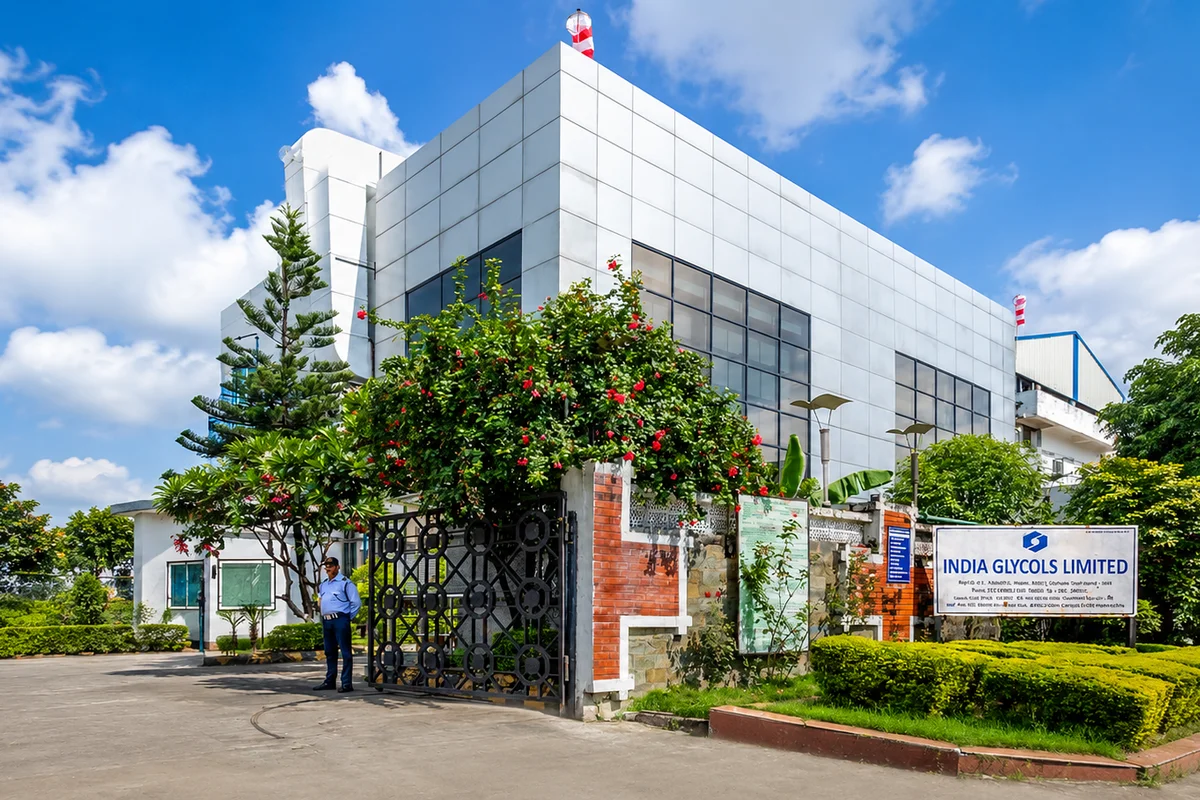
India Glycols completes its demerger into three entities, separating its chemicals, spirits, bio pharma and bio polymers businesses.
Stocks to buy, brokerage recommendations, share price targets and market picks investors are watching today across Indian equities.

Auto stocks today remain mixed as SML Mahindra, Sharda Motor, Force Motors and Hyundai Motor India gain while Ather Energy, Bajaj Auto and TVS Motor...
Adani Ports shares gain as record cargo volumes and strong operational growth keep the stock in focus, while HSBC maintains a bullish view on the...