Loading market data...
Sun, 19 Jul 2026
03:20:15 am
Sun, 19 Jul 2026
03:20:15 am

Rudransh Sangwan
Published at: March 31, 2026, 11:59 AM
Synopsis
Unilever nears a $60 billion deal with McCormick to merge its food business, marking a major shift in the global FMCG and food industry.

Unilever is close to finalizing a massive $60 billion deal with McCormick & Company that could redefine the global food industry. The transaction involves combining Unilever’s food business with the US-based spice giant, creating a new food powerhouse with global reach.
This deal represents one of the biggest mergers in the consumer goods space in recent years. It reflects a broader trend where large FMCG companies are restructuring their portfolios to focus on high-growth segments.
For example, brands like Hellmann’s, Knorr, and Marmite could come under the same umbrella as McCormick’s well-known products like French’s mustard and Cholula hot sauce. This would create a diversified portfolio across sauces, spices, and packaged foods.
The key takeaway is clear. This is not just a merger. It is a major industry consolidation that could reshape competition in the global food market.
The deal is expected to be structured as a Reverse Morris Trust, a mechanism that allows companies to spin off a business and merge it tax-efficiently. Under this structure, Unilever would separate its food division and combine it with McCormick.
Unilever and its shareholders are expected to retain a majority stake of around 65% in the newly formed entity. The combined valuation of the business is estimated to exceed $60 billion, including cash and equity components.
For instance, Unilever’s food business alone is valued at tens of billions of dollars, while McCormick brings its own strong market presence and brand portfolio.
Another important point is that the deal is still under discussion and not yet finalized, meaning details could evolve.
The takeaway is that this is a complex, high-value transaction designed to maximize shareholder value while enabling strategic restructuring.
Both companies bring strong but complementary strengths to the deal. Unilever has a global footprint in packaged foods with established brands and distribution networks.
McCormick, on the other hand, is a leader in spices, condiments, and flavor solutions, with strong brand recognition in key markets like the United States.
For example:
This combination creates a powerful synergy, allowing the new entity to compete more effectively with global giants in the food sector.
The takeaway is that the merger is strategically aligned, combining scale with specialization.
This deal is part of Unilever’s broader strategy to focus on higher-growth segments like beauty, personal care, and home products. The company has already been restructuring its portfolio, including spinning off its ice cream business.
The food division, while profitable, has shown slower growth compared to other segments. This has led investors to push for a strategic shift.
For instance, global demand patterns are changing, with consumers moving toward healthier and more specialized food options. This has impacted traditional packaged food businesses.
By separating its food unit, Unilever aims to unlock value and streamline its operations.
The takeaway is that this move reflects a long-term strategic pivot rather than a short-term decision.
One of the most notable aspects of the deal is that Unilever’s India business is expected to remain outside the transaction. This indicates the strategic importance of the Indian market for the company.
India continues to be a high-growth region for consumer goods, with strong demand across food, personal care, and household products.
For example, Hindustan Unilever operates as a separate listed entity with its own growth strategy tailored to Indian consumers.
Excluding India allows Unilever to retain control over a key growth market while restructuring its global operations.
The takeaway is that India remains central to Unilever’s long-term strategy despite global restructuring.
If completed, this deal could trigger a wave of consolidation across the global FMCG and food industry. Competitors may be forced to rethink their strategies in response to the creation of such a large entity.
The combined company would have:
For example, it could compete more aggressively with other global food giants and expand into new markets.
At the same time, the deal reflects a shift in the industry toward specialization and efficiency.
The takeaway is that this merger could redefine competitive dynamics in the global food sector.
For investors, the deal signals a strategic transformation within Unilever. By focusing on higher-margin segments like beauty and personal care, the company aims to improve long-term growth prospects.
McCormick, meanwhile, stands to benefit from increased scale and access to a broader product portfolio.
Market reactions have been relatively positive, indicating investor confidence in the strategic rationale behind the deal.
For example, such large-scale mergers often lead to cost synergies, improved margins, and stronger competitive positioning.
The takeaway is that while short-term uncertainties remain, the long-term outlook could be positive for both companies and their shareholders.
This deal highlights a growing trend in global mergers and acquisitions, where companies are reshaping their portfolios to focus on core strengths.
Large conglomerates are increasingly:
For instance, Unilever’s move mirrors similar actions by other global companies aiming to streamline operations and improve efficiency.
The final takeaway is clear. The future of global M&A will be driven by strategic focus, efficiency, and long-term value creation.
Financial journalist specializing in market analysis, stock research, and investment trends. Dedicated to providing accurate, timely insights for informed decision-making.
Credentials: Experienced financial journalist with expertise in equity markets and economic analysis
The information provided in this article is for educational and informational purposes only and should not be construed as financial, investment, or legal advice. welomoney does not provide personalized investment recommendations.
For detailed terms and conditions, please read our Disclaimer and Terms of Service.
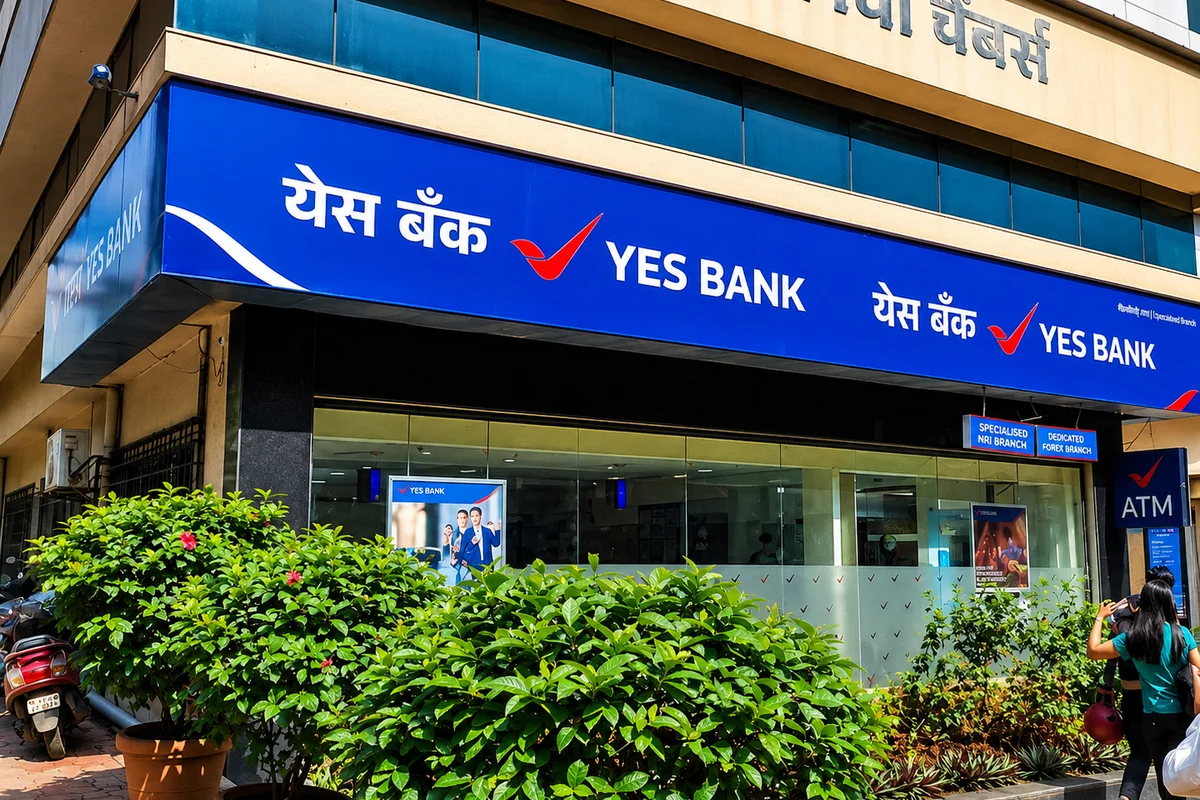
Yes Bank Q1 FY27 results: Net profit rises 34% to ₹1,071 crore, NII grows 17.5%, NIM improves to 2.

Defence and aerospace stocks where FIIs increased their stake in Q1 FY27, including IdeaForge, Paras Defence, Astra Microwave, Avantel and Krishna...
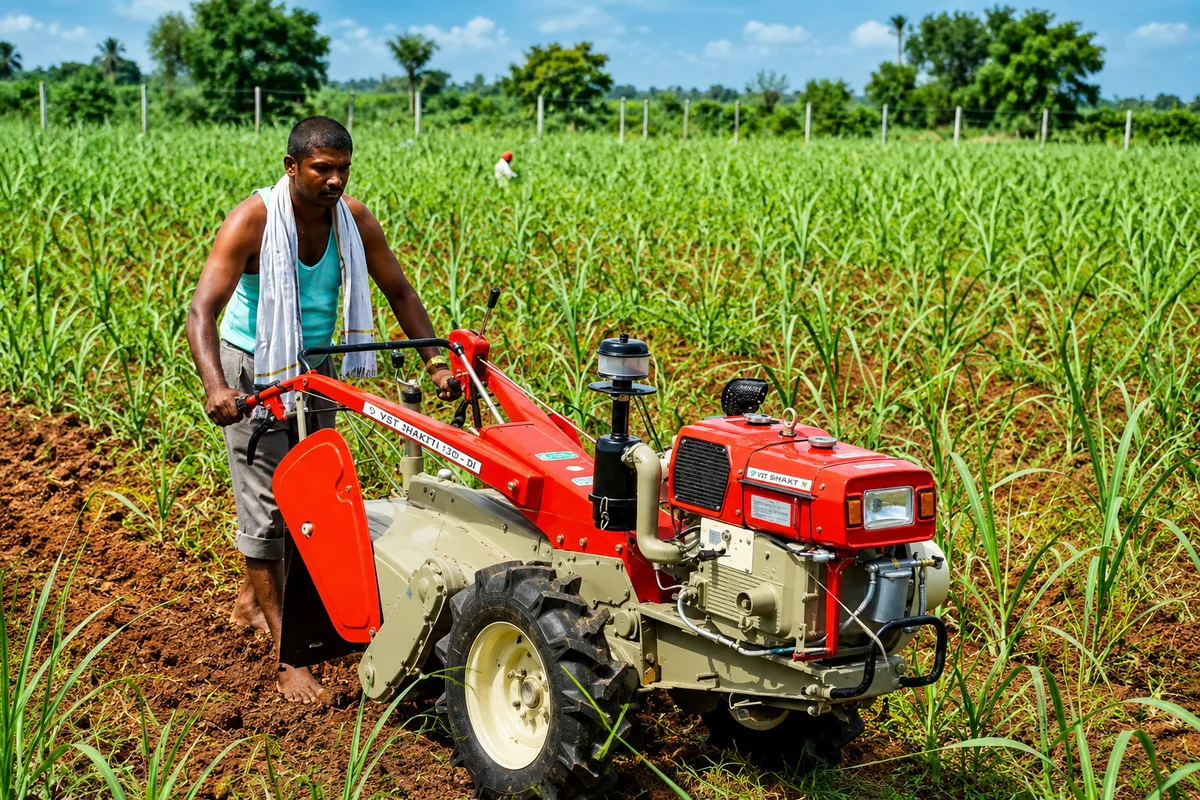
VST Tillers plans to invest over ₹160 crore in AI, electric farm equipment, a Global Technology Centre and global expansion while launching up to 20...
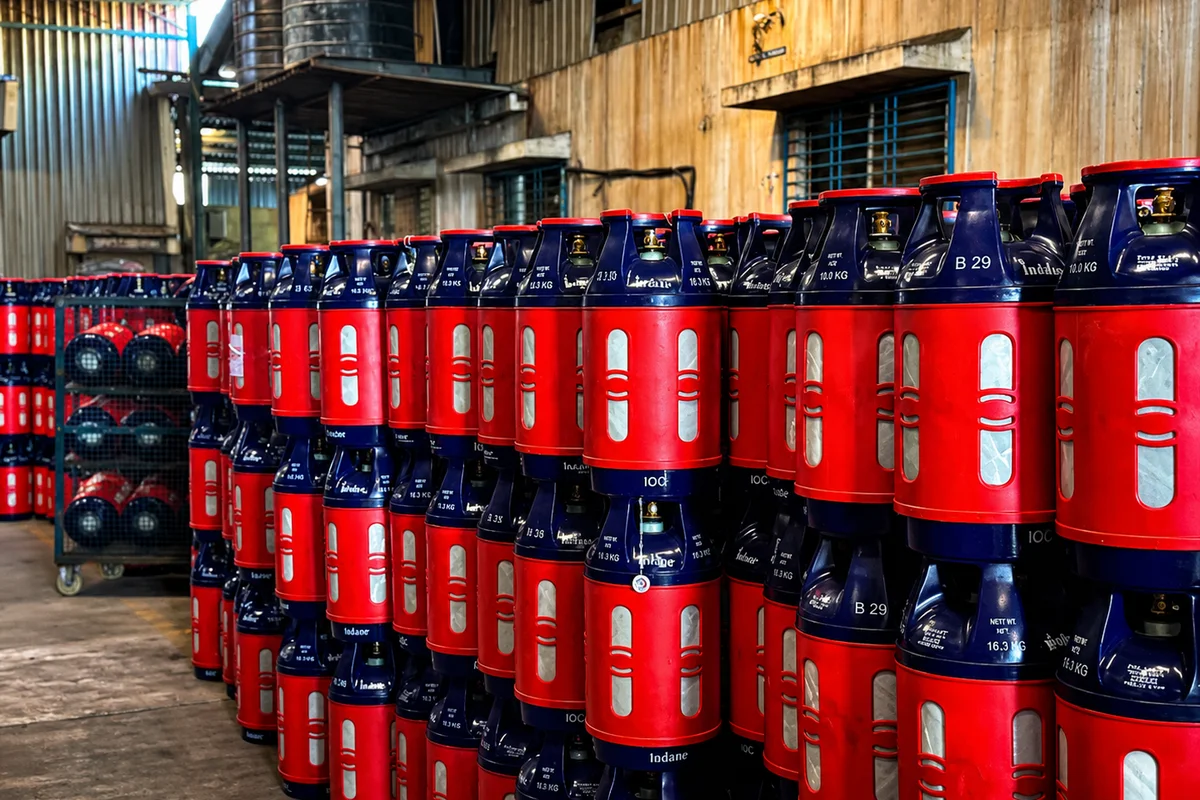
Time Technoplast wins a ₹38.14 crore HPCL order to supply 1.4 lakh Type IV Composite LPG cylinders through GeM, strengthening its position in India's...
Nutricircle signs an MoU with the Tripura Government to develop a ₹100–130 crore BioNutrition Valley focused on plant proteins, functional foods, and...