Loading market data...
Wed, 02 Sept 2026
04:55:54 am
Wed, 02 Sept 2026
04:55:54 am
Synopsis
Tata Group full analysis with company-wise financials, business overview, risks and future growth. Covers TCS, Tata Motors, Tata Power, Titan and more.
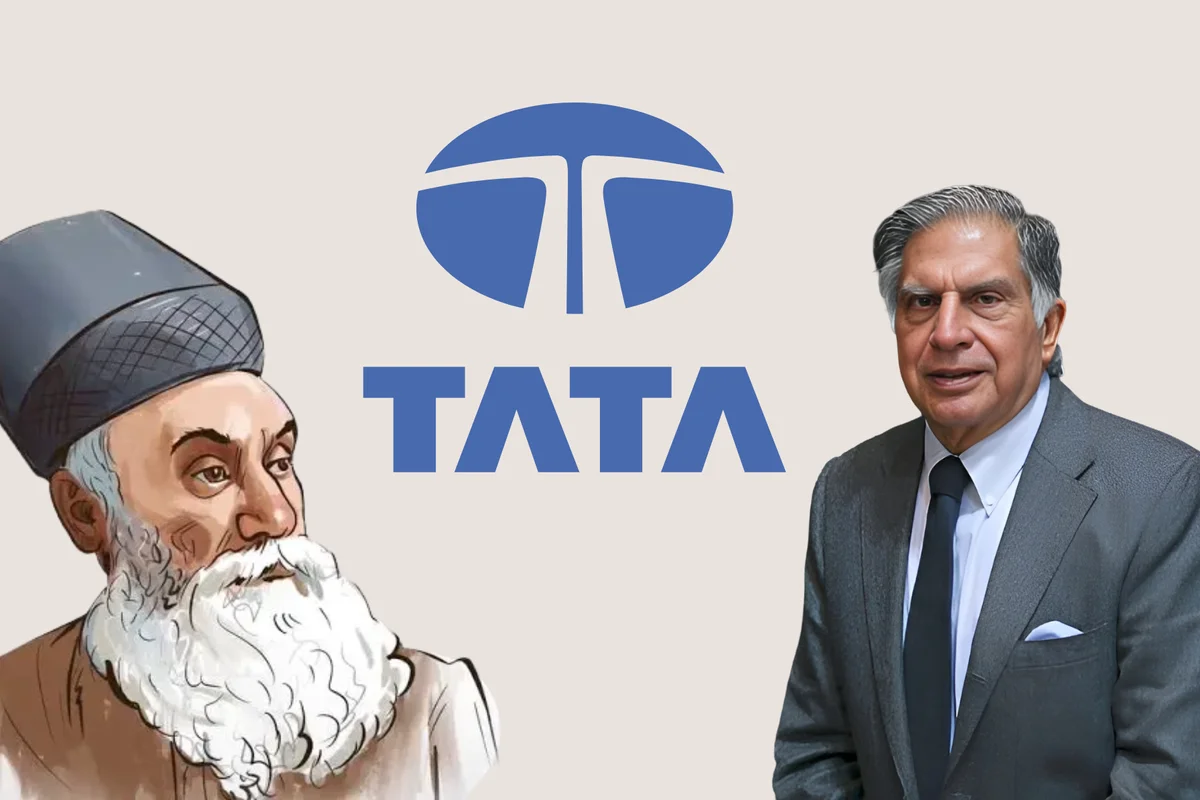
The Tata Group, founded in 1868 by Jamsetji Tata, is one of the most influential business conglomerates in the world. Headquartered in Mumbai, the group operates across more than 100 companies in over 150 countries.
With estimated revenues exceeding ₹15 lakh crore and a workforce of over one million people, Tata Group represents a combination of legacy, scale, and long-term strategic vision.
The group operates under Tata Sons, which controls its major listed and unlisted businesses.
| Metric | Value | Insight |
|---|---|---|
| Revenue | ₹2.59 Lakh Cr | Strong global demand |
| Net Profit | ₹45,000 Cr | Highest contributor |
| Margin | ~25% | Industry-leading |
| ROE | ~40% | Highly efficient |
TCS is the primary profit generator for the group. Its recurring revenue model and global client base provide stability and strong cash flows. It also acts as a hedge against domestic economic cycles due to its global exposure.
Beyond this, TCS benefits from long-term digital transformation deals, cloud migration, and AI adoption across global enterprises. Its ability to maintain margins despite wage inflation highlights strong operational efficiency.
Growth Trigger: AI, cloud, and enterprise digital transformation Risk: Pricing pressure and automation reducing billing rates
| Metric | Value | Insight |
|---|---|---|
| Revenue | ₹4.45 Lakh Cr | Largest in group |
| Net Profit | ₹30,000+ Cr | Turnaround phase |
| Debt | High | Linked to JLR |
| EV Segment | Rapid growth | Future driver |
Tata Motors combines domestic EV leadership with global luxury exposure through Jaguar Land Rover. Its future depends heavily on EV scalability and global demand conditions.
The company is aggressively expanding EV production and has built a strong early-mover advantage in India’s EV ecosystem. Meanwhile, JLR provides premium global exposure but also adds volatility.
Growth Trigger: EV adoption in India and premium demand in global markets Risk: High debt and global slowdown impacting JLR
| Metric | Value | Insight |
|---|---|---|
| Revenue | ₹2.2 Lakh Cr | Commodity-driven |
| Net Profit | ₹8–10K Cr | Cyclical |
| Margin | ~15% | Volatile |
This is a macro-sensitive business. Profitability fluctuates with global steel demand and pricing cycles, making it less predictable than other Tata companies.
Tata Steel’s European operations add scale but also expose it to higher costs and regulatory challenges. Domestic demand in India remains a key stabilizing factor.
Growth Trigger: Infrastructure growth in India Risk: Global commodity cycles and input cost volatility
| Metric | Value | Insight |
|---|---|---|
| Revenue | ₹65,000 Cr | Stable |
| Net Profit | ₹4,000 Cr | Improving |
| Renewable Share | Increasing | Growth driver |
Tata Power is transitioning toward renewable energy. Its long-term value lies in solar expansion and EV charging infrastructure.
The company is positioning itself as a leader in clean energy, with strong investments in rooftop solar, grid-scale renewables, and EV charging networks.
Growth Trigger: India’s renewable energy push Risk: High capital expenditure and slower return cycles
| Metric | Value | Insight |
|---|---|---|
| Revenue | ₹60,000 Cr | Strong growth |
| Net Profit | ₹5,000 Cr | High margins |
| Market Cap | ₹2.3 Lakh Cr | Premium valuation |
Titan benefits from India’s growing middle class and strong brand positioning, particularly in the jewelry segment.
Its brand portfolio, especially Tanishq, gives it a dominant position in organized jewelry retail, which continues to gain market share from unorganized players.
Growth Trigger: Rising disposable income and premium consumption Risk: High valuation and gold price volatility
| Metric | Value | Insight |
|---|---|---|
| Revenue | ₹15,000 Cr | Stable |
| Net Profit | ₹1,500 Cr | Consistent |
A steady FMCG business with predictable demand. Growth is moderate but reliable.
The company is expanding its product portfolio into packaged foods and ready-to-consume categories, which could accelerate future growth.
Growth Trigger: Expansion into new FMCG categories Risk: Intense competition from FMCG giants
| Metric | Value | Insight |
|---|---|---|
| Revenue | ₹15,000 Cr | Stable |
| Net Profit | ₹2,000 Cr | Strong margins |
Transitioning toward specialty chemicals and battery materials, positioning itself within the EV supply chain.
This strategic shift could significantly improve margins and reduce dependence on commodity chemicals.
Growth Trigger: EV battery ecosystem Risk: Execution risk in transitioning to specialty segments
| Metric | Value | Insight |
|---|---|---|
| Revenue | ₹7,000 Cr | Growing |
| Net Profit | ₹1,000 Cr | Recovery phase |
Strong beneficiary of rising tourism and premium hospitality demand in India.
The Taj brand continues to command premium pricing, and expansion into new markets is driving growth.
Growth Trigger: Tourism boom and premium travel demand Risk: Economic slowdown impacting discretionary spending
| Metric | Value | Insight |
|---|---|---|
| Revenue | ₹18,000 Cr | Stable |
| Net Profit | ₹2,000 Cr | Consistent |
A global digital infrastructure player with steady margins and increasing relevance in enterprise connectivity.
The company plays a critical role in global internet infrastructure, including data networks and cloud services.
Growth Trigger: Enterprise cloud and data demand Risk: Competition from global telecom giants
| Factor | Status |
|---|---|
| Profitability | Loss-making |
| Strategy | Super app ecosystem |
A long-term investment aimed at building a digital ecosystem to compete in India’s rapidly growing online economy.
It integrates multiple services like grocery, healthcare, and payments into one platform, aiming to create a unified consumer ecosystem.
Growth Trigger: Digital adoption in India Risk: High competition from Reliance and global tech companies
| Factor | Tata Group | Reliance | Adani |
|---|---|---|---|
| Diversification | High | Medium | Low |
| Stability | High | Medium | Low |
| Risk | Balanced | Moderate | High |
The group is controlled by Tata Sons.
Tata Consultancy Services.
Reliance Industries leads in revenue concentration, while Tata is more diversified.
The Tata Group remains India’s most balanced and resilient conglomerate. Its combination of stable cash-generating businesses and future-focused investments positions it strongly for long-term growth.

Financial journalist specializing in market analysis, stock research, and investment trends. Dedicated to providing accurate, timely insights for informed decision-making.
Credentials: Experienced financial journalist with expertise in equity markets and economic analysis
The information provided in this article is for educational and informational purposes only and should not be construed as financial, investment, or legal advice. welomoney does not provide personalized investment recommendations.
For detailed terms and conditions, please read our Disclaimer and Terms of Service.
ITC is consolidating its technology businesses as BlazeClan and CloudyLytics move into ITC Infotech under a proposed group restructuring.
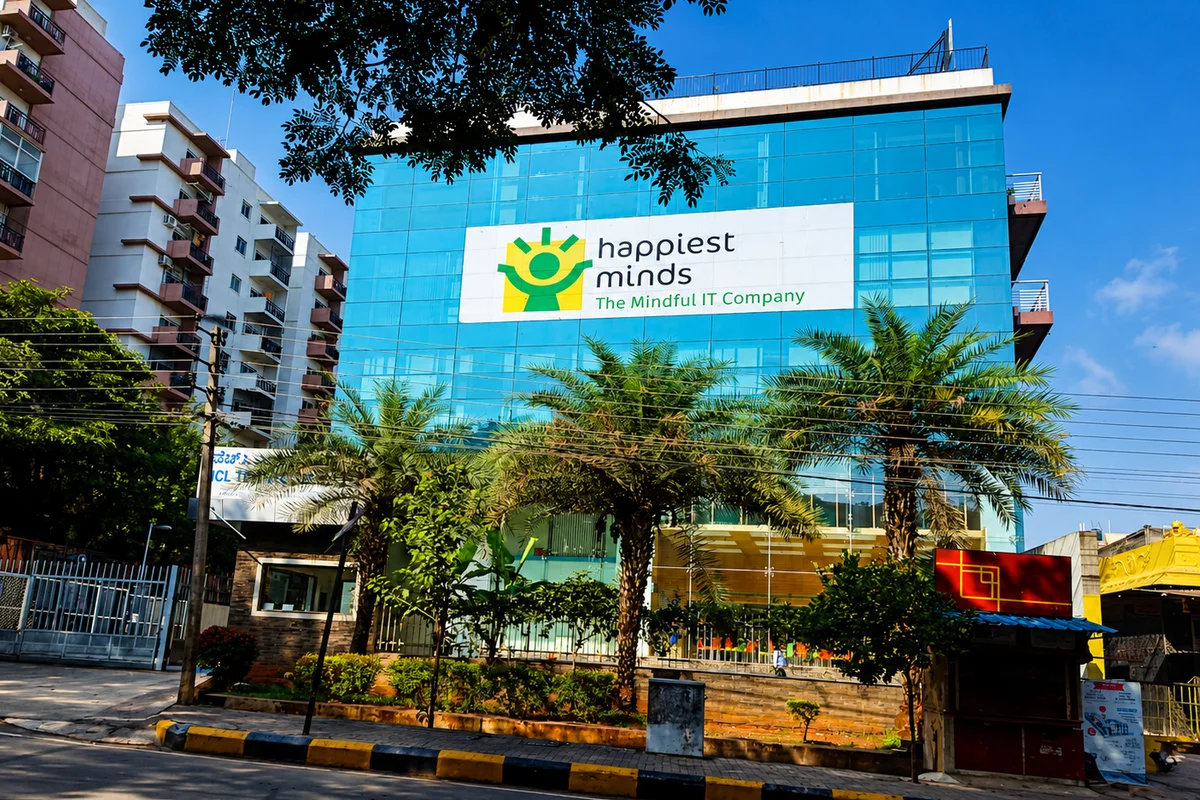
Happiest Minds Technologies shares came under pressure as investors assessed the proposed ITC Infotech merger and its implications for shareholders.

Welspun Corp shares are in focus as investors track the latest developments around the company and its stock.
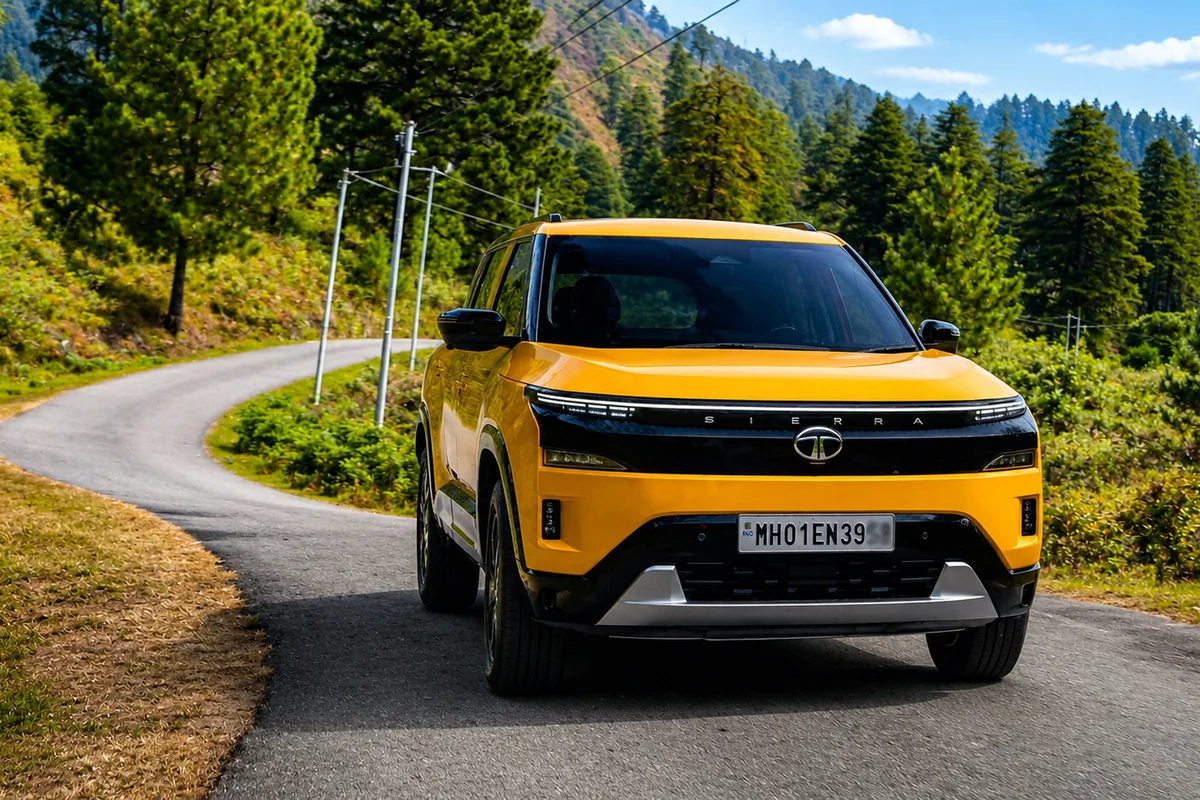
Tata Motors records strong August growth with domestic PV sales up 59% and EV volumes reaching 16,549 units, despite missing estimates.

Force Motors gains investor attention as strong August demand lifts sales, with domestic volumes surging and the stock extending its market momentum.