Loading market data...
Tue, 20 Oct 2026
06:10:50 pm
Tue, 20 Oct 2026
06:10:50 pm

Rudransh Sangwan
Published at: April 19, 2026, 3:11 AM
Synopsis
HDFC Bank reports Q4 FY26 results with 9% profit growth, improved asset quality, and ₹13 dividend announcement. Detailed earnings analysis, key metrics, and outlook.
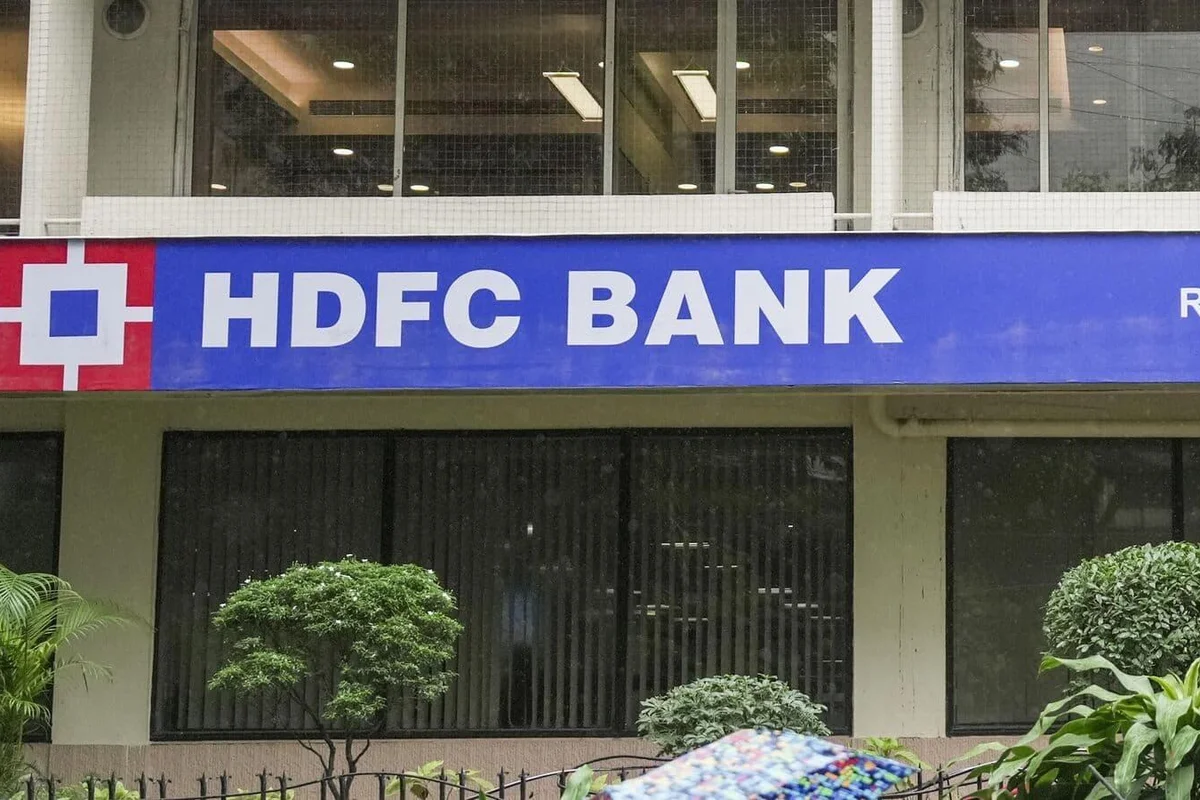
HDFC Bank has delivered a steady Q4 FY26 performance, balancing growth with improving asset quality despite pressure on interest income. While headline profit growth remains strong, the underlying story reflects a transition phase where efficiency, risk control, and stable margins are taking precedence over aggressive expansion.
At a time when the Indian banking sector is navigating interest rate shifts and post-merger adjustments, HDFC Bank’s performance highlights resilience. The bank continues to strengthen its balance sheet while maintaining profitability, positioning itself for long-term consistency rather than short-term spikes.
HDFC Bank reported a net profit of ₹19,221 crore for Q4 FY26, marking a 9% year-on-year increase. Net interest income grew 3.2% to ₹33,082 crore, while operating profit rose 4.8% to ₹27,802 crore.
However, interest income declined slightly by 1.1% to ₹76,610 crore, indicating margin pressure in the current rate environment.
| Metric | Q4 FY26 | YoY Change |
|---|---|---|
| Net Profit | ₹19,221 crore | +9% |
| Net Interest Income | ₹33,082 crore | +3.2% |
| Interest Income | ₹76,610 crore | -1.1% |
| Operating Profit | ₹27,802 crore | +4.8% |
| Dividend | ₹13/share | Strong payout |
Data suggests that despite softer interest income, controlled costs and improved asset quality supported profitability. This leads to stable earnings growth, which results in continued investor confidence.
A major highlight of the results is the improvement in asset quality.
Provisions also declined 18% year-on-year to ₹2,609 crore, indicating reduced stress in the loan book.
This improvement reflects better credit discipline and strong recovery mechanisms, reinforcing the bank’s risk management framework.
HDFC Bank continues to deliver strong profitability metrics, with return on assets (ROA) improving to 1.94% in FY26 from 1.91% earlier.
This is significant because:
Compared to past cycles, the bank is now focusing more on optimizing returns rather than chasing aggressive balance sheet growth.
A non-obvious factor in these results is the divergence between interest income and profit growth. While interest income declined, profits still increased.
This indicates:
This shift suggests that HDFC Bank is entering a phase where efficiency gains will play a bigger role than pure lending growth in driving earnings.
Many investors assume that declining interest income signals weakening performance. However, in banking, profitability depends on multiple factors beyond interest income.
In this case:
Another misconception is that high dividends indicate limited growth. In reality, strong payouts reflect capital strength and earnings visibility.
While HDFC Bank remains a growth leader, the pace of expansion may moderate as the bank focuses on integration efficiency and balance sheet optimization.
This means:
Markets often reward this transition with premium valuations, especially in large-cap banking stocks.
Several factors will influence HDFC Bank’s performance going forward:
If margins stabilize and credit growth remains steady, the bank is well-positioned to maintain leadership in the private banking space.
For short-term traders:
For long-term investors:
For dividend investors:
HDFC Bank’s Q4 FY26 results highlight a bank that is prioritizing stability, efficiency, and quality over aggressive growth. While margin pressures exist, the improvement in asset quality and disciplined execution position it as a structurally strong financial institution. Investors who value consistency and long-term compounding are likely to find this phase particularly attractive.
HDFC Bank reported a net profit of ₹19,221 crore in Q4 FY26, reflecting a 9% year-on-year increase supported by lower provisions and steady income growth.
The bank has announced a ₹13 per share dividend for FY26, with total payout for the year standing at ₹15.50 per share, subject to shareholder approval.
Yes, both gross and net NPAs have declined, and provisions have reduced significantly, indicating improving asset quality and lower credit risk going forward.
Financial journalist specializing in market analysis, stock research, and investment trends. Dedicated to providing accurate, timely insights for informed decision-making.
Credentials: Experienced financial journalist with expertise in equity markets and economic analysis
The information provided in this article is for educational and informational purposes only and should not be construed as financial, investment, or legal advice. welomoney does not provide personalized investment recommendations.
For detailed terms and conditions, please read our Disclaimer and Terms of Service.
L&T has begun preliminary work on the New Tashkent International Airport project after receiving a limited notice to proceed.
DLF share price has 41% upside, according to HSBC’s target. Compare Jefferies, CLSA and other broker views on sales, cash flow and valuations.
Divi's Laboratories shares rose 1.01% to Rs 9,242.50 after a positive EU opinion on Eli Lilly's weight loss drug Foundayo. See the growth outlook.
Awfis revenue target exceeds Rs 1,800 crore for FY27, with flexible workspace demand supporting growth. Expansion and execution remain key to watch.
L&T has won a contract worth over Rs 15,000 crore. The client, project scope and execution timeline remain undisclosed, leaving its revenue impact...