Loading market data...
Wed, 18 Nov 2026
02:05:55 am
Wed, 18 Nov 2026
02:05:55 am

Rudransh Sangwan
Published at: November 15, 2026, 9:37 AM
Synopsis
FIIs invest ₹84,291 crore in Indian stocks in November 2026, driving a Nifty recovery. Rising inflation and crude oil prices remain key market risks.

Foreign institutional investors (FIIs) have made a strong comeback in Indian equities, recording net investments of ₹84,291 crore between November 2 and 13, 2026. The buying reversal has supported a recovery in benchmark indices after heavy foreign selling in previous months.
Improving corporate earnings, softer crude oil prices and global portfolio shifts have contributed to renewed investor interest. However, inflation and geopolitical uncertainty remain key risks.
Foreign investors reversed their selling trend after withdrawing ₹35,861 crore in September and ₹34,843 crore in October.
| Period | FII/FPI Net Investment |
|---|---|
| November 2–13 | +₹84,291 crore |
| September | -₹35,861 crore |
| October | -₹34,843 crore |
| 2026 overall | Net selling above ₹2 lakh crore |
During the week ended November 13, FIIs bought ₹33,340 crore worth of equities, while domestic institutional investors (DIIs) recorded net selling of ₹24,190 crore.
Three factors are supporting foreign investor interest:
The Nifty reportedly recovered more than 13% from its October 8 closing level, with a 9.1% gain in November at the time of reporting.
Investors will also track US Federal Reserve meeting minutes, India's wholesale inflation data and upcoming monetary policy decisions.
Key Takeaway: Strong FII inflows have improved market sentiment, but the sustainability of the recovery will depend on inflation, crude oil prices and global developments. The shift towards foreign buying alongside DII selling remains an important trend to monitor.
How much have FIIs invested in Indian equities in November 2026?
Foreign institutional investors (FIIs) invested a net ₹84,291 crore between November 2 and 13, 2026, marking a sharp reversal from their selling activity in the previous two months.
Why are foreign investors returning to the Indian stock market?
The renewed buying has been supported by improving corporate earnings, softer crude oil prices and changing global portfolio preferences, including reduced exposure to some AI-linked technology stocks.
How much did FIIs withdraw from Indian equities in September and October 2026?
FIIs recorded net outflows of ₹35,861 crore in September and ₹34,843 crore in October, before turning net buyers in November.
How much did FIIs invest during the week ended November 13?
FIIs purchased Indian equities worth ₹33,340 crore during the week ended November 13, 2026.
What was the activity of domestic institutional investors during the same week?
Domestic institutional investors (DIIs) were net sellers, offloading equities worth ₹24,190 crore during the week ended November 13.
What does the difference between FII and DII activity indicate?
The figures show that foreign investors were buying while domestic institutions were selling during the reported week. This marks a shift in the balance of institutional activity, although it does not establish a longer-term trend.
How much have FIIs sold in Indian equities during 2026 overall?
Despite the November inflows, FIIs remained net sellers by more than ₹2 lakh crore during 2026 overall, according to the supplied report.
How has the Nifty performed during the November FII buying rally?
The Nifty recovered more than 13% from its October 8, 2026 closing level. Its gain for November stood at 9.1% at the time of the report.
How have improving corporate earnings supported FII inflows?
September-quarter results showed stronger profit growth, with more companies reportedly exceeding earnings estimates. This improved earnings performance has supported investor sentiment towards Indian equities.
How do lower crude oil prices benefit the Indian stock market?
Lower crude prices can reduce India's import bill and ease inflationary pressure. They can also lower input and transportation costs for businesses, potentially supporting corporate profitability.
How are global portfolio shifts influencing foreign investment in India?
Reduced exposure to AI-linked technology stocks has encouraged some global investors to reconsider their portfolio allocations. The report identifies this as one factor supporting renewed interest in Indian equities.
What is the first major risk facing the Indian stock market despite strong FII buying?
The first risk is rising retail inflation. India's October 2026 retail inflation reached 6.09%, exceeding the Reserve Bank of India's upper tolerance limit of 6%.
Why is inflation above 6% a concern for the Indian equity market?
Inflation exceeding the RBI's upper tolerance limit can complicate monetary policy decisions and affect borrowing costs, consumer demand and business expenses. It may also influence investor expectations about interest rates.
What is the second major risk facing the market recovery?
The second risk is crude oil and geopolitical uncertainty. Brent crude moved towards US$96 per barrel, while developments involving the United States and Iran raised concerns about potential market volatility.
How could higher crude oil prices affect Indian companies?
Higher crude prices can increase India's energy import costs and raise expenses for businesses dependent on fuel and petroleum-based inputs. They can also add to inflationary pressure.
What role could US-Iran tensions play in Indian stock market volatility?
Escalating geopolitical tensions could affect crude oil prices, global risk appetite and foreign investment flows. The extent of the impact would depend on how developments affect energy markets and investor sentiment.
Which upcoming US economic event will investors monitor?
Investors will monitor the release of the US Federal Reserve meeting minutes for indications about monetary policy expectations and the future direction of interest rates.
Which Indian economic data releases are important for the market?
India's upcoming wholesale price inflation data and monetary policy decisions will be important indicators for assessing inflation trends and the potential direction of interest rates.
Can the November FII inflows confirm a sustained reversal in foreign investment trends?
Not yet. The ₹84,291 crore inflow represents a strong short-term reversal, but FIIs remained net sellers by more than ₹2 lakh crore in 2026 overall. Sustained buying will depend on earnings, inflation, crude oil prices and global conditions.
What are the key indicators investors should track after the record November FII buying?
Key indicators include daily FII and DII flows, retail and wholesale inflation, Brent crude prices, corporate earnings, Federal Reserve developments and geopolitical tensions. Together, these factors may influence whether the November market recovery continues.
Financial journalist specializing in market analysis, stock research, and investment trends. Dedicated to providing accurate, timely insights for informed decision-making.
Credentials: Experienced financial journalist with expertise in equity markets and economic analysis
The information provided in this article is for educational and informational purposes only and should not be construed as financial, investment, or legal advice. welomoney does not provide personalized investment recommendations.
For detailed terms and conditions, please read our Disclaimer and Terms of Service.

India Cements shares fell 3.90% to ₹323.70 on November 17 despite Q2 FY27 profit growth. Explore the share price decline, financial results and...

Cummins India shares fell 3.96% to ₹4,065.40 on November 17. Check the reasons behind the decline, Q2 FY27 results, share price data and financial...

Fujiyama Power Systems shares fell 4.27% to ₹329.45 on November 17 despite strong Q2 FY27 results.
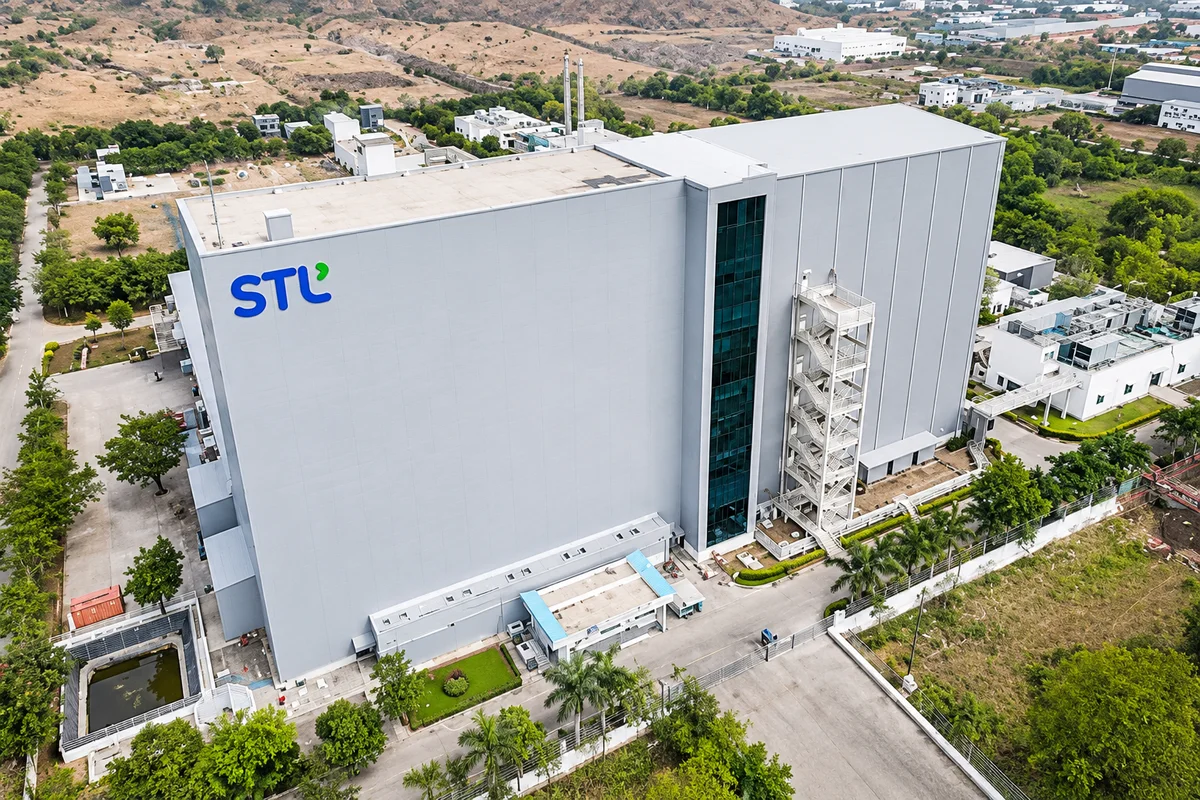
Sterlite Technologies shares fell 4.62% to ₹644.05 amid profit-booking and weak AI infrastructure sentiment, despite record Q2 FY27 revenue of ₹2,563...

INOX India shares rose 6.78% to ₹2,028.90 after Q2 FY27 revenue grew 26.6% and record order inflows lifted its backlog above ₹2,268 crore.