Loading market data...
Mon, 26 Oct 2026
07:52:59 am
Mon, 26 Oct 2026
07:52:59 am

Rudransh Sangwan
Published at: October 26, 2026, 5:37 AM
Synopsis
Biocon signs a deal with Janssen Sciences Ireland to commercialise Yesintek in nine more markets, subject to regulatory approvals.
The short version
Biocon Limited has signed a licensing agreement with Janssen Sciences Ireland to commercialise Yesintek, its proposed biosimilar to Stelara, in nine additional international markets. The agreement expands Biocon's reach across Asia, Latin America and other regions where patients are treated for chronic immune mediated diseases.
Loading chart...
The newly covered markets are Australia, Brazil, China, Hong Kong, Israel, Mexico, New Zealand, South Korea and Kazakhstan. The agreement is effective immediately, although commercial launches in these territories will depend on the required regulatory approvals.
Yesintek is being developed as a biosimilar to Stelara, whose active ingredient is ustekinumab. The reference medicine generated $6.08 billion in worldwide sales in 2025, indicating the scale of the existing market for this treatment. Biocon's latest agreement adds more potential markets to its existing commercialisation arrangements.
The licensing agreement extends Biocon's commercialisation rights to nine markets. These include established pharmaceutical markets such as Australia and South Korea, alongside major markets such as China and Brazil. Hong Kong, Israel, Kazakhstan, Mexico and New Zealand are also covered.
| Market | Region |
|---|---|
| Australia | Asia Pacific |
| Brazil | Latin America |
| China | Asia |
| Hong Kong | Asia |
| Israel | Middle East |
| Mexico | North America |
| New Zealand | Asia Pacific |
| South Korea | Asia |
| Kazakhstan | Central Asia |
The agreement adds to earlier arrangements between Biocon and Janssen that covered the United States, Europe, the United Kingdom, Canada and Japan. These earlier agreements had established a presence for Yesintek across several major pharmaceutical markets. The latest deal broadens that geographical reach, although actual sales in each newly covered territory will depend on local regulatory decisions.
For Biocon, the distinction between signing a licensing agreement and starting commercial sales is important. The agreement establishes the commercialisation arrangement for the additional markets, but it does not confirm that the product is already available to patients in all nine territories.
Yesintek is a proposed biosimilar to Stelara, a medicine containing ustekinumab. It is described as a human interleukin 12 and interleukin 23 antagonist. These proteins are involved in immune system signalling, and the medicine interferes with pathways mediated by interleukin 12 and interleukin 23.
The treatment is associated with several chronic inflammatory conditions. The supplied product information identifies four indications: Crohn's disease, ulcerative colitis, plaque psoriasis and psoriatic arthritis.
| Particulars | Details |
|---|---|
| Product | Yesintek |
| Reference medicine | Stelara |
| Active ingredient | Ustekinumab |
| Drug class | Interleukin 12 and interleukin 23 antagonist |
| Indications listed | Crohn's disease, ulcerative colitis, plaque psoriasis and psoriatic arthritis |
| Latest licensing agreement | Janssen Sciences Ireland |
| Newly covered markets | Nine |
| Reference medicine sales in 2025 | $6.08 billion |
Biosimilars are biological medicines developed to be highly similar to an existing reference biological medicine. They are assessed under applicable regulatory requirements before they can be marketed. Their commercial role can include introducing another treatment option in a market where the reference medicine is already established.
However, the availability of a biosimilar does not automatically mean that treatment costs will fall by a specific amount. Pricing depends on factors such as regulatory status, competition, reimbursement arrangements and market access. The licensing announcement does not specify Yesintek's expected launch prices or the discounts it might provide against Stelara.
Stelara's worldwide sales of $6.08 billion in 2025 provide an indication of the commercial scale of the reference medicine. Treatments for chronic immune mediated diseases can involve long term care, creating demand for medicines that manage these conditions over extended periods.
For Biocon, access to additional territories increases the number of markets in which it can seek to commercialise Yesintek under the licensing arrangements. The commercial outcome will depend on how quickly approvals are obtained and when launches begin.
The reference medicine's sales figure should not be treated as an estimate of revenue available to Biocon. Stelara's worldwide sales cover the existing reference product market, while Yesintek would need to compete for prescriptions in individual countries. Market share, pricing, reimbursement and the timing of launches will affect the revenue that Biocon could generate.
The agreement also does not disclose financial terms such as upfront payments, royalties, minimum sales commitments or expected revenue from the nine territories. Without those details, the direct financial contribution of the new licensing arrangement cannot be quantified.
Readers following developments in the pharmaceutical sector can also review Vijay Kedia's pharmaceutical and healthcare holdings and the latest pharmaceutical stocks in focus for related company and sector developments.
The latest agreement follows licensing arrangements that covered the United States, Europe, the United Kingdom, Canada and Japan. Together, these agreements give Biocon commercialisation rights across a broader collection of markets, subject to the terms of the relevant arrangements and local regulatory requirements.
Expanding geographical coverage can help a biosimilar developer pursue sales across different healthcare systems. However, each market has its own approval process and commercial conditions. A product's regulatory status in one country does not establish that it can be launched in another.
For Yesintek, the next stage involves securing the necessary approvals in the newly covered territories. Biocon will also need to establish commercial availability in those markets before the licensing agreement can translate into sales.
The announcement does not provide a country by country launch schedule, an expected date for the first commercial sale or revenue guidance for Yesintek. It also does not quantify the investment required to enter the nine markets.
Biocon's latest licensing agreement expands the potential commercial reach of Yesintek, but the eventual financial contribution remains uncertain. Several developments will help clarify the business impact.
The distinction between rights secured and revenue earned will remain important when assessing the agreement. Regulatory clearance and actual product launches will determine when the expanded market access can begin to contribute to Biocon's business.
Biocon Limited is an Indian biopharmaceutical company. In this announcement, the company's focus is on expanding the commercial reach of Yesintek, its proposed biosimilar to Stelara, through licensing arrangements with Janssen Sciences Ireland.
The latest agreement covers nine additional international markets. Its immediate effect is to extend the territories covered by the commercialisation arrangement, while sales in those markets remain subject to regulatory approvals. Future disclosures on approvals, launch dates and commercial terms will provide more information about the financial contribution of Yesintek.
Biocon has signed a licensing agreement with Janssen Sciences Ireland to commercialise Yesintek in nine additional markets. The product is a proposed biosimilar to Stelara, and launches in the covered territories depend on regulatory approvals.
The agreement covers Australia, Brazil, China, Hong Kong, Israel, Mexico, New Zealand, South Korea and Kazakhstan. It extends commercialisation rights beyond the markets covered by earlier arrangements.
Yesintek is described as a biosimilar to ustekinumab, the active ingredient in Stelara. The listed indications are Crohn's disease, ulcerative colitis, plaque psoriasis and psoriatic arthritis, subject to applicable approvals.
Stelara recorded worldwide sales of $6.08 billion in 2025. This figure relates to the reference medicine and does not represent Biocon's revenue from Yesintek.
The agreement is effective immediately, but commercial launches require the relevant regulatory approvals. No country specific launch dates have been provided in the announcement.
The agreement does not establish an immediate increase in revenue. Financial benefits will depend on regulatory clearances, commercial launches, pricing and demand in the covered markets.
Financial journalist specializing in market analysis, stock research, and investment trends. Dedicated to providing accurate, timely insights for informed decision-making.
Credentials: Experienced financial journalist with expertise in equity markets and economic analysis
The information provided in this article is for educational and informational purposes only and should not be construed as financial, investment, or legal advice. welomoney does not provide personalized investment recommendations.
For detailed terms and conditions, please read our Disclaimer and Terms of Service.

MCX shares fell 12% in a month as gold prices corrected. Jefferies retains its Buy rating, citing energy trading growth and a Rs 4,000 target.

Indian stocks on October 26: Jyoti Structures gains 10% on a Rs 949.35 crore order, while IDFC First Bank falls 3% as Goldman Sachs stays neutral.
LTTS share price rose 3.3% after a five year engineering and R&D deal with Nokia. The contract focuses on AI infrastructure and telecom innovation.

AU Small Finance Bank and Ujjivan SFB shares fell as much as 6% despite strong Q2 FY27 profits. Check earnings, loan slippages and asset quality.
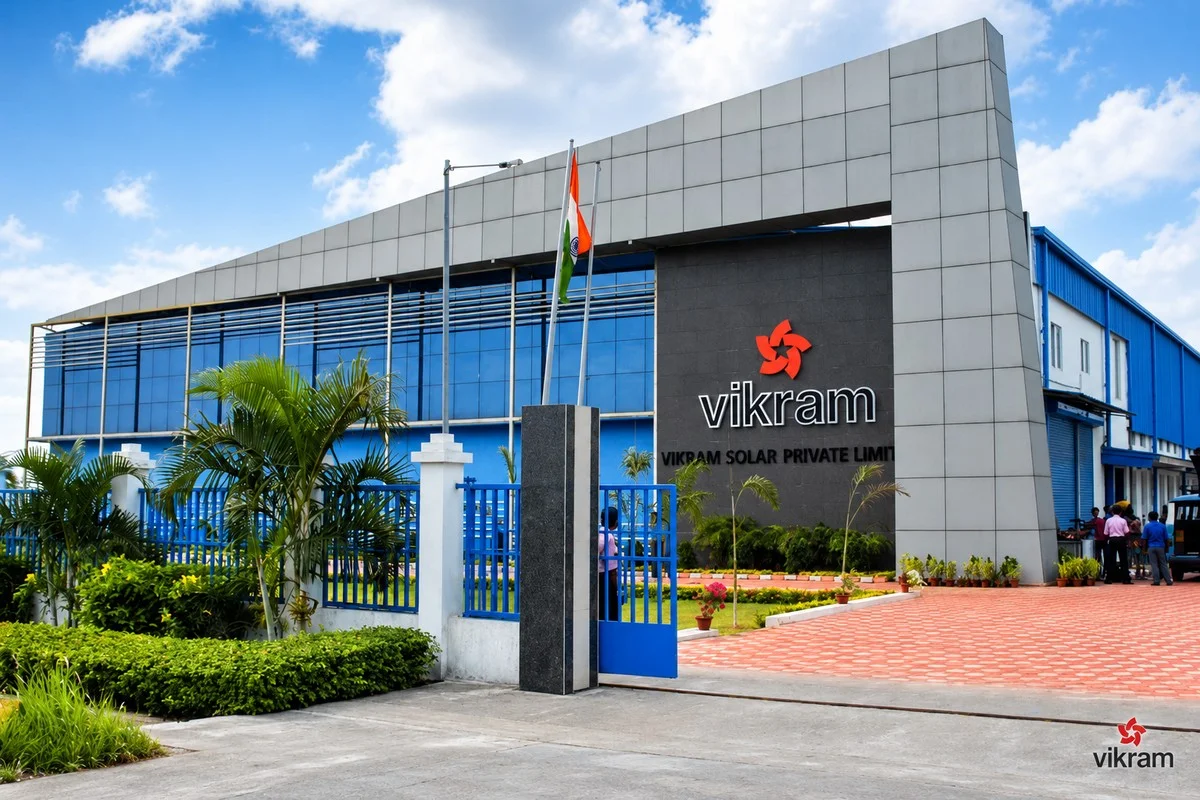
Vikram Solar plans to start production at its 9 GW solar cell plant in Tamil Nadu in December 2026.