Loading market data...
Wed, 30 Sept 2026
05:29:30 am
Wed, 30 Sept 2026
05:29:30 am
Synopsis
The RBI has introduced strict new loan recovery rules effective January 1, 2027, banning harassment, anonymous calls and public shaming by recovery agents. Learn the new RBI guidelines, borrower rights, bank responsibilities, compensation rules and what the updated recovery framework means for loan customers in India.
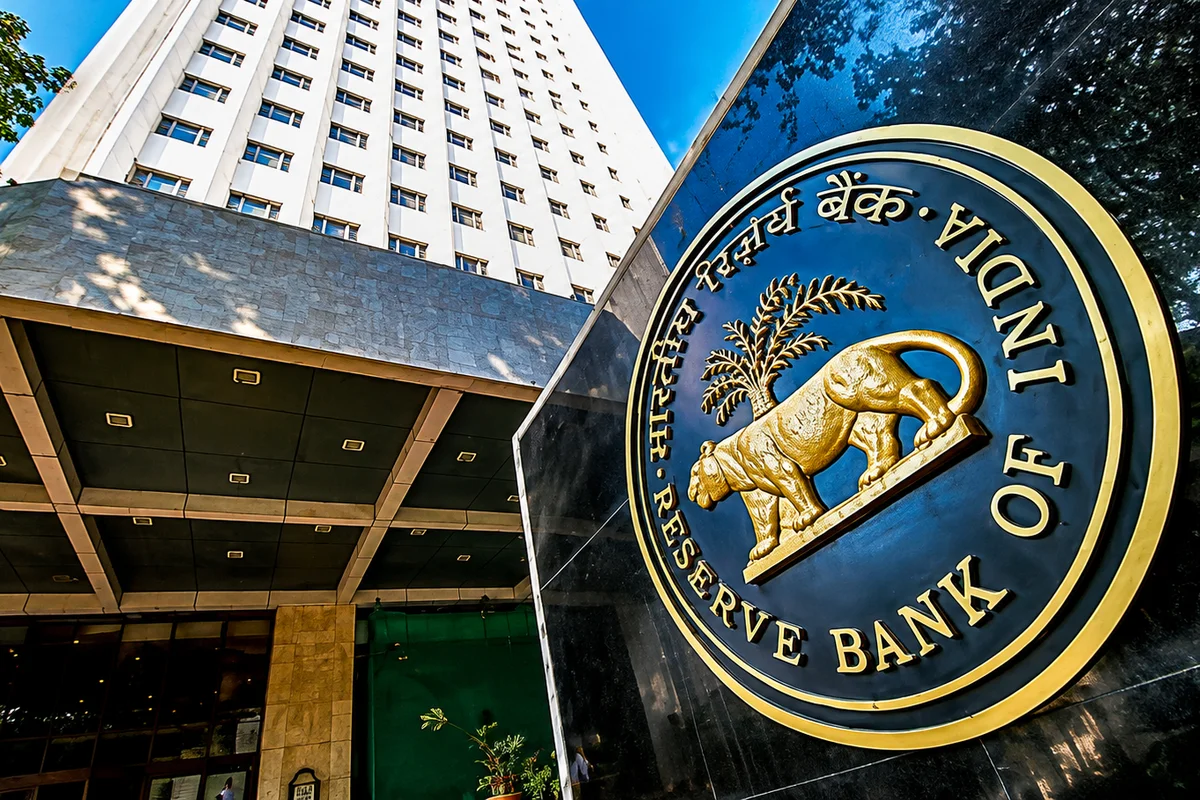
The Reserve Bank of India (RBI) has introduced one of its most comprehensive reforms for loan recovery practices, significantly strengthening borrower protection while placing greater responsibility on banks and financial institutions. The new framework, which will come into force from January 1, 2027, lays down strict guidelines governing how banks and recovery agents can recover overdue loans, ensuring that debt collection is carried out with fairness, dignity and transparency rather than intimidation or harassment.
The revised directions apply across commercial banks and several other RBI regulated entities. Under the new rules, banks will remain fully accountable for the actions of both their own employees and outsourced recovery agencies. The regulator has also introduced detailed safeguards covering recovery calls, physical visits, borrower privacy, grievance redressal, compensation, technology based recovery tools and monitoring mechanisms. The move follows extensive stakeholder consultations after the RBI released draft directions earlier this year.
| Particulars | Details |
|---|---|
| Regulator | Reserve Bank of India (RBI) |
| Effective Date | January 1, 2027 |
| Applies To | Banks and RBI Regulated Entities |
| Major Focus | Fair and Transparent Loan Recovery |
| Key Objective | Protect Borrowers from Harassment |
| Accountability | Banks Responsible for Recovery Agents |
The RBI has made it clear that while banks have every legal right to recover outstanding loans, recovery efforts cannot violate a borrower's dignity, privacy or personal rights. Every regulated bank must now establish a Board approved recovery policy that clearly defines when recovery can begin, the escalation process, acceptable conduct for recovery agents, treatment of financially distressed borrowers and procedures in case of the borrower's death.
Banks must also formulate separate policies governing the appointment, supervision and auditing of recovery agencies. Recovery agents will have to comply with strict operational standards, while banks will remain directly responsible for ensuring regulatory compliance even when recovery work is outsourced.
One of the biggest changes under the new framework is the RBI's detailed list of prohibited recovery practices. Recovery agents and bank employees are expressly prohibited from using any harsh or intimidating methods while collecting overdue loan payments.
Under the revised directions, recovery agents cannot use threatening or abusive language, publicly shame borrowers, post borrower details on social media, send inappropriate messages, repeatedly call borrowers, contact them outside permitted hours, make anonymous calls, threaten family members or damage a borrower's reputation. The rules also prohibit misleading statements regarding loan liabilities or legal consequences.
| Not Allowed Under RBI Rules |
|---|
| Threatening or abusive language |
| Anonymous recovery calls |
| Public humiliation of borrowers |
| Sharing borrower details on social media |
| Harassing family members or colleagues |
| False or misleading recovery claims |
| Threats involving violence or property damage |
| Continuous unwanted calls or messages |
The RBI has also fixed specific hours during which recovery agents may contact borrowers. Under the new regulations, recovery calls and physical visits can normally take place only between 8:00 AM and 7:00 PM.
If borrowers specifically request communication outside these hours, banks may comply. Similarly, if borrowers ask recovery agents not to visit or call during particular periods, that request should ordinarily be respected. Recovery agents have also been instructed to avoid contacting borrowers during bereavement, medical emergencies, marriages or other sensitive personal situations.
To improve transparency, banks will no longer be allowed to send recovery agents without advance notice. Borrowers must receive prior intimation at least one day before the first physical visit, including the identity of the recovery agency handling the case.
Whenever banks change recovery agencies during an ongoing recovery process, borrowers must also be informed immediately. Additionally, banks must publish and regularly update the complete list of empanelled recovery agencies on their official websites.
The RBI has strengthened identity verification requirements for recovery personnel. Every recovery agent visiting a borrower must display a valid identity card and carry an official authorisation letter issued by the bank or recovery agency.
The authorisation letter must also include contact details of the recovery agency and the bank's grievance redressal officer, enabling borrowers to verify the visitor's identity and report misconduct whenever necessary.
A major change introduced under the new framework is the RBI's decision to hold banks directly accountable for outsourced recovery agents. Banks can no longer distance themselves from misconduct committed by external agencies.
Financial institutions must now perform proper background verification before appointing recovery agencies, regularly monitor their activities, establish internal audit mechanisms and ensure that all recovery personnel complete the mandatory Debt Recovery Agent Training Programme conducted by the Indian Institute of Banking and Finance (IIBF) or an equivalent recognised programme.
The RBI has also introduced mandatory call recording requirements to improve transparency and resolve future disputes. Banks must now maintain records of every recovery related telephone call, including call timing, telephone numbers and the complete conversation.
These recordings must be preserved for at least six months, while calls connected with ongoing legal proceedings must be retained until litigation concludes. Borrowers must also be informed that the conversation is being recorded.
| Protection | Requirement |
|---|---|
| Recovery Call Timing | 8:00 AM to 7:00 PM |
| Advance Visit Notice | Minimum One Day |
| Identity Verification | Mandatory ID & Authorisation Letter |
| Call Recording | Mandatory |
| Grievance Officer Details | Must Be Shared |
| Compensation Policy | Mandatory for Violations |
Perhaps the most significant reform is the RBI's requirement that banks establish formal policies for compensating borrowers or guarantors who suffer losses because recovery practices violate the new directions.
Although the RBI has not prescribed a fixed compensation amount, every regulated entity must incorporate compensation provisions into its recovery policy, making banks financially accountable for violations committed by their employees or outsourced recovery agencies.
Every regulated bank must now establish a dedicated grievance redressal mechanism specifically for complaints related to recovery practices. The contact details of the grievance officer, including email address, phone number and office address, must be included in loan agreements as well as all recovery related communications.
This is expected to make it easier for borrowers to report harassment, improper conduct or regulatory violations without navigating multiple customer service channels.
The RBI has separately introduced rules governing technology driven recovery methods, including remotely disabling financed devices such as smartphones. Banks using such technologies will now have to follow strict procedural safeguards, issue advance notices and provide compensation in cases of wrongful restrictions.
The regulator has indicated that these technology based recovery provisions represent another significant consumer protection reform alongside the broader recovery framework.
The revised RBI loan recovery rules will become effective from January 1, 2027, giving banks several months to update internal policies, retrain recovery staff, strengthen monitoring systems and implement new grievance redressal mechanisms. Borrowers can expect significantly stronger legal protections against harassment, while banks will need to ensure every stage of the recovery process complies with the RBI's enhanced standards.
The new framework marks a major shift in India's banking regulations by reinforcing that loan recovery must remain lawful, transparent and respectful. By clearly defining prohibited practices, increasing operational oversight and holding banks directly accountable for recovery agencies, the RBI aims to create a more balanced recovery process that protects both financial discipline and borrower rights.

Financial journalist specializing in market analysis, stock research, and investment trends. Dedicated to providing accurate, timely insights for informed decision-making.
Credentials: Experienced financial journalist with expertise in equity markets and economic analysis
The information provided in this article is for educational and informational purposes only and should not be construed as financial, investment, or legal advice. welomoney does not provide personalized investment recommendations.
For detailed terms and conditions, please read our Disclaimer and Terms of Service.

Nifty briefly slid up to 2.2% and Bank Nifty lost 1,100 points on F&O expiry as CAS-driven price swings put SEBI’s settlement framework under review...

FIIs sold Rs 5,353 crore on Monday as the Nifty fell to 22,780, while DIIs bought Rs 5,189 crore amid broad market weakness and heavy selling.

India-France defence ties deepen as Lt Gen Dominique Tardif backs Atmanirbhar Bharat and outlines Tarang Shakti 2026, AI, space and defence industry...

Bank Nifty fell 1.9% as Brent crude reached $106.7, while Yes Bank, Union Bank and IDFC First Bank led banking stock losses.

Nifty 50 is about 2,900 points below its 26,340 peak. See how crude oil, Hormuz risks and easing energy costs could shape an Indian market rebound in...