Loading market data...
Tue, 20 Oct 2026
04:39:41 pm
Tue, 20 Oct 2026
04:39:41 pm
Synopsis
Indonesia’s stock market faces a potential MSCI downgrade over transparency concerns, triggering a sharp selloff and fears of foreign investor outflows.
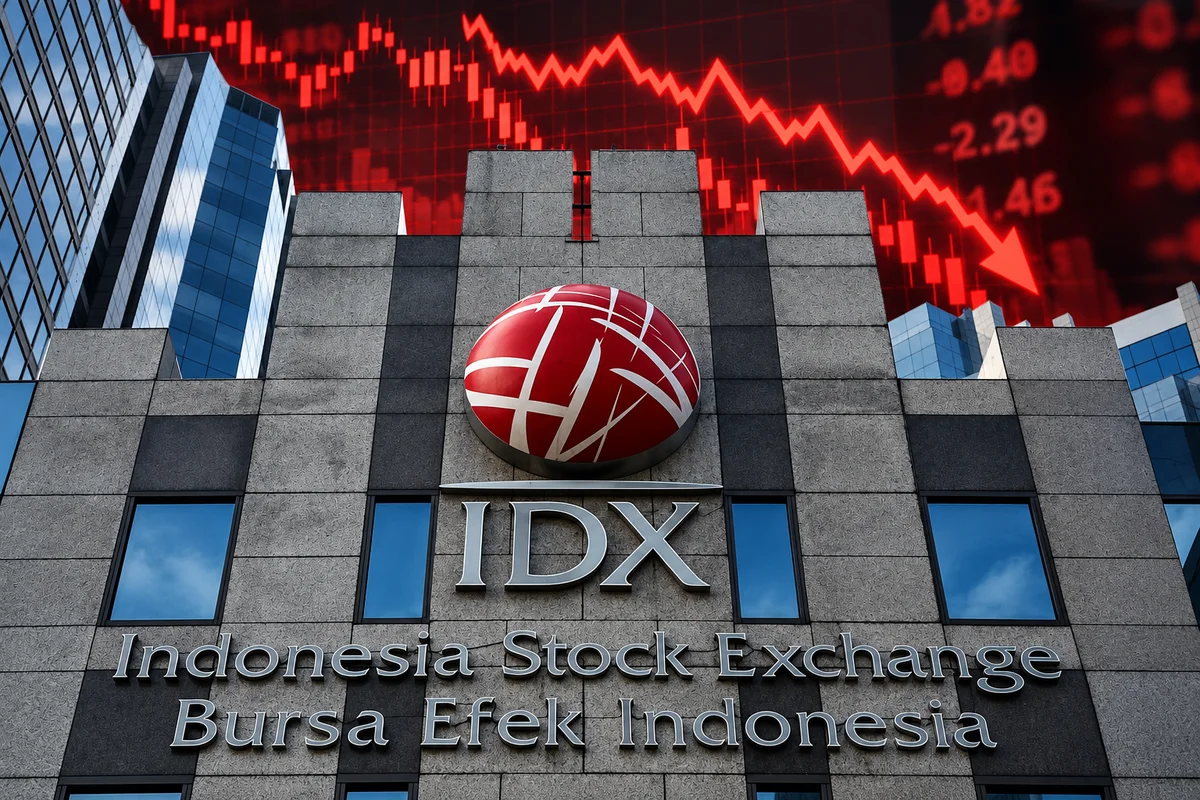
Indonesia’s stock market is facing a potential downgrade in global market classification after MSCI raised concerns about transparency, share ownership and trading practices. The warning has triggered a sharp selloff and raised fears of foreign investor outflows.
The Jakarta Composite Index fell as much as 11.4% on October 16, 2026, its steepest one day decline since January 1998, according to the report. Trading was halted for 30 minutes after the benchmark opened sharply lower.
Indonesian equities have fallen nearly 40% in 2026, while the rupiah weakened to around 18,070 per US dollar.
MSCI said Indonesia’s current emerging market classification may no longer reflect problems in the country’s equity market. It is considering moving Indonesia to standalone market status, which would place it outside its standard emerging and frontier market classifications.
This matters because global funds track MSCI indexes. If Indonesian stocks are removed from those indexes, some funds may have to sell their holdings, potentially increasing pressure on share prices.
MSCI has highlighted several issues:
The report said MSCI extended its review to June 2027. The outcome could influence how international investors allocate money to Indonesian equities.
The selloff has affected major Indonesian banks, including Bank Central Asia, Bank Rakyat Indonesia and Bank Mandiri. The report said their shares fell nearly 15%.
A downgrade could increase the risk of foreign fund outflows, put further pressure on the rupiah and raise funding concerns for Indonesian companies. However, the scale of any outflows will depend on MSCI’s final decision and how index-tracking funds respond.
The Indonesia Stock Exchange said it would engage with MSCI and provide further evidence of market reforms. Authorities are under pressure to improve transparency, clarify share ownership and strengthen investor confidence.
The main issue is whether Indonesia can demonstrate measurable reforms before MSCI reaches its decision. Avoiding a downgrade may ease immediate pressure, but restoring confidence will depend on lasting improvements in market transparency and policy credibility.
This article is for informational purposes only and is not investment advice.
Indonesia's stock market is falling after MSCI raised concerns about market transparency, share ownership, free-float data and trading practices. The possibility of a market classification downgrade has also raised concerns about foreign investor outflows.
MSCI is considering moving Indonesia from emerging market status to standalone market status, according to the supplied report. This would change how Indonesia is classified in MSCI's global equity market framework.
The Jakarta Composite Index fell as much as 11.4% on October 16, 2026, according to the supplied report. Trading was halted for 30 minutes after the benchmark opened sharply lower.
Many international funds use MSCI indexes as benchmarks. A classification change could prompt some index-tracking funds to adjust or sell Indonesian holdings, potentially increasing selling pressure.
MSCI has highlighted opaque shareholding structures, limited clarity on free float, concerns about coordinated trading and questions about reliable price formation and regulatory enforcement.
The supplied report says MSCI extended its review until June 2027. The final outcome will depend on its assessment of market transparency and reforms.
A downgrade could lead some global funds to reduce exposure to Indonesian equities. The actual impact would depend on MSCI's final decision, index changes and how investors respond.
The rupiah weakened to around 18,070 per US dollar, according to the supplied report. Further currency pressure could increase costs for businesses with foreign-currency liabilities and imports.
The supplied report says major banks, including Bank Central Asia, Bank Rakyat Indonesia and Bank Mandiri, saw their shares fall nearly 15%.
The Indonesia Stock Exchange said it would engage with MSCI and provide further evidence of market reforms. Authorities face pressure to improve ownership transparency, clarify free-float data and strengthen investor confidence.
No. Based on the supplied report, the downgrade is still under review. MSCI's final decision and its timing will determine whether Indonesia's market classification changes.
Market performance may depend on progress in reforms, MSCI's assessment, foreign investor flows, and currency movements. A downgrade is not confirmed, and future share prices remain uncertain

Financial journalist specializing in market analysis, stock research, and investment trends. Dedicated to providing accurate, timely insights for informed decision-making.
Credentials: Experienced financial journalist with expertise in equity markets and economic analysis
The information provided in this article is for educational and informational purposes only and should not be construed as financial, investment, or legal advice. welomoney does not provide personalized investment recommendations.
For detailed terms and conditions, please read our Disclaimer and Terms of Service.